Nepal’s growing diplomatic assertiveness signals India’s waning influence
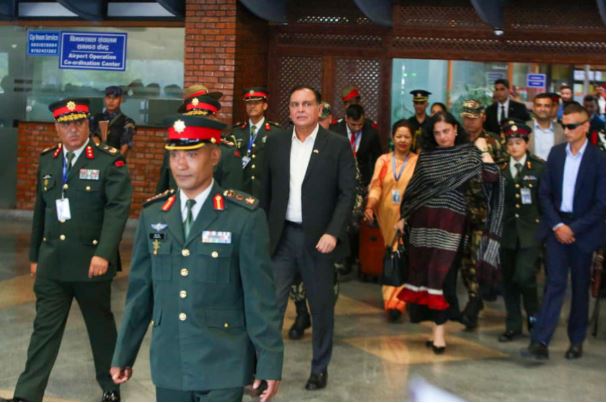
Kathmandu: India’s renewed diplomatic outreach to Nepal amid growing differences under Prime Minister Balendra Shah is being seen as a sign of New Delhi’s diminishing influence over its smaller neighbour.
According to Kashmir Media Service, Indian Army Chief General Dhiraj Seth began a three-day official visit to Kathmandu, becoming the first senior Indian official to visit Nepal since the formation of the Balendra Shah government in March.
The visit comes after Shah previously declined to meet Indian Foreign Secretary Vikram Misri, whose Kathmandu visit was subsequently postponed.


India has also renewed its invitation to Prime Minister Shah to visit New Delhi, indicating heightened efforts by the Modi government to re-engage Kathmandu.
The developments reflect a growing sense of alienation in India. Nepal has strongly objected to India’s resumption of the Kailash Mansarovar pilgrimage route through Lipulekh, which Kathmandu claims as part of its territory.
The diplomatic chill challenges New Delhi’s traditional perception of itself as the dominant power in South Asia and underscores growing resistance among neighbouring countries to what is widely viewed as India’s big-brother approach.
The latest developments suggest that Kathmandu is increasingly asserting its sovereignty and seeking greater strategic space rather than automatically aligning its foreign policy with New Delhi.
The May 2025 debacle at the hands of Pakistan further tarnished India’s image, exposing the gap between the image of regional power projected by its rulers and the country’s actual diplomatic standing. The episode weakened New Delhi’s carefully cultivated narrative of strategic dominance and raised questions among its neighbours about India’s ability to translate its claimed influence into genuine regional respect and goodwill.