Indian SC questions Modi regime over IPS deputation in CAPF top posts
Apex court asks why experienced force officers are denied senior positions
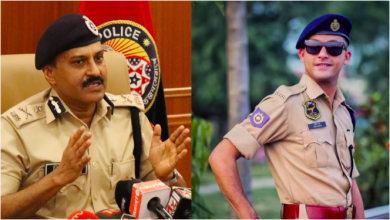
 New Delhi: The Indian Supreme Court has questioned the Modi regime over the continued deputation of Indian Police Service officers to senior leadership positions in Central Armed Police Forces, asking why experienced officers from the forces themselves are being denied opportunities to hold managerial and higher posts.
According to Kashmir Media Service, a Bench comprising Justice Ujjal Bhuyan and Justice AS Chandurkar questioned Additional Solicitor General Aishwarya Bhati during the hearing of petitions challenging provisions allowing continued IPS deputation in the CAPFs.
Justice Bhuyan asked whether there were no competent officers within the CAPFs to hold leadership positions, noting that many officers had served for 25 to 30 years in forces including the CRPF, ITBP and BSF and had defended India’s borders and made supreme sacrifices. The court also observed that a “strong lobby” had effectively stifled officers belonging to the CAPF cadres. The remarks came as the Modi regime sought to defend its position that the matter was not a contest between CAPF and IPS officers.
Indo-Ukrainian defence collaboration exposes Delhi’s double game against Moscow

The Supreme Court had earlier directed New Delhi to progressively reduce IPS deputation in CAPFs up to the level of Inspector General and ordered a time-bound cadre review. However, around 3,000 CAPF officers have challenged the Central Armed Police Forces (General Administration) Act, 2026, arguing that it undermines their promotional avenues and overturns earlier judicial directions.
The petitioners include officers from the CRPF, including gallantry award winners and women officers. They contend that senior administrative posts should be filled by eligible officers from the respective CAPF cadres rather than being reserved for officers brought on deputation.
The controversy also highlights broader concerns over the manner in which India’s armed forces are administered. The continued preference for politically and ideologically aligned officers from the wider state security establishment, including those perceived as sympathetic to the Hindutva agenda, can be viewed as part of efforts by the Modi regime to influence, discipline and ultimately tame the institutional autonomy of the forces by sidelining experienced cadre officers in favour of preferred appointments.