2 lakh Telangana voters flagged without reasons, Muslim names 25.1%: Study
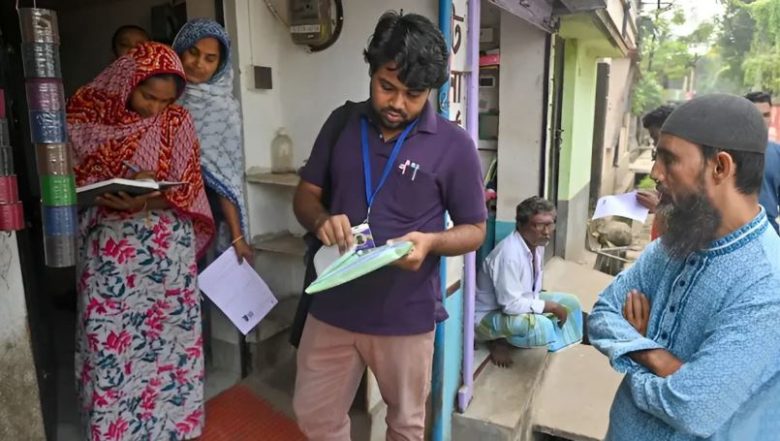
Hyderabad: A study has raised serious concerns over the transparency of India’s ongoing electoral roll revision in Telangana, after finding that 2,01,249 voters were issued Special Intensive Revision (SIR) discrepancy notices without any stated reason.
An analysis by the Sabar Institute found that Muslim names accounted for 25.1 percent of the voters flagged without reasons—nearly twice the community’s 12.7 percent share of Telangana’s population, according to the 2011 Census.
The institute said it examined Election Commission data covering all 36,169 polling booths and 92,85,255 names in Telangana. It found that more than two lakh voters had been flagged for “logical discrepancies” without any specific explanation.


The analysis also identified a striking demographic pattern, with 96.7 percent of those flagged being men, while only 38 of the 2,01,249 voters were below the age of 40.
The Sabar Institute cited examples from individual polling booths, including 77 voters at one booth in Uppal and 75 at a booth in Kamareddy, who received notices without a stated reason.
It questioned how voters could challenge such notices when they were not informed of the alleged discrepancy.
The findings have added to growing concerns in India over the electoral roll revision process, with opposition parties and civil society groups alleging that the exercise could disproportionately affect eligible voters, particularly Muslims and other marginalized communities.
The critics have demanded greater transparency and an independent investigation into the revision process, while protests have also been held against Chief Election Commissioner Gyanesh Kumar.
Dozens of opposition lawmakers marched in New Delhi on Tuesday, demanding Kumar’s resignation and accusing the Election Commission of bias in the voter-roll revision. Demonstrators carried “Save Democracy” banners and alleged that changes to electoral rolls could disenfranchise eligible voters and benefit the ruling Bharatiya Janata Party.
The Election Commission’s handling of the revision has consequently emerged as a major political and civil-society issue in India, with demands growing for greater accountability and transparency in the electoral process.