IAF chief renews reservations over India’s theatre command plan
Longstanding inter-service differences cloud major military restructuring
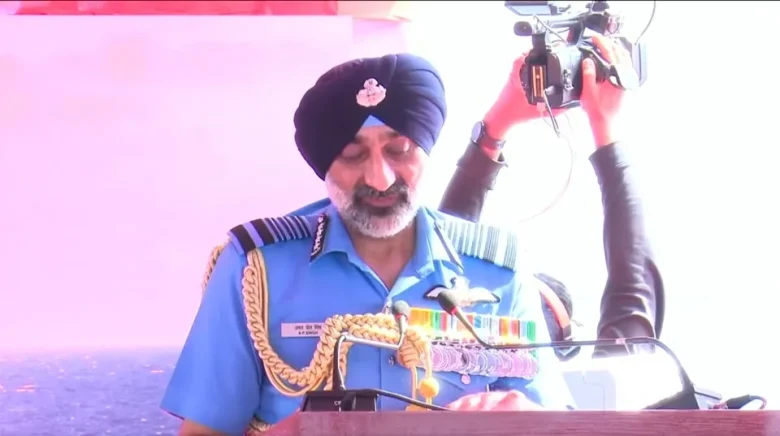
Islamabad: Indian Air Force (IAF) chief Air Chief Marshal A.P. Singh has reiterated reservations over India’s proposed theatre command structure. He said fighter assets should not be permanently divided along geographical lines.
Singh made the remarks in an interview with the Press Trust of India. He said India needed a structure tailored to its security requirements, rather than a direct copy of foreign models.
“We are not viewing theaterisation as an exercise to permanently divide fighter assets geographically,” Singh said. He added that the IAF remained committed to jointness and integration.


Air power flexibility at the centre of dispute
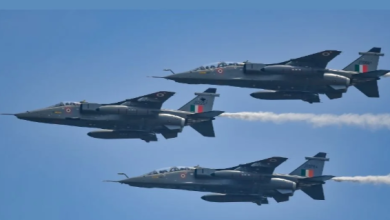
Singh argued that air power depended on speed, reach and operational flexibility. Aircraft, he said, could support different sectors as threats evolved.
He advocated “centralised control where necessary and decentralised execution where appropriate.” He also called for phased implementation to avoid compromising operational readiness.
Reservations date back several years
The IAF’s concerns over theatreisation predate Singh’s latest remarks. In 2018, then IAF chief Air Chief Marshal B.S. Dhanoa questioned the proposal. He argued that dividing forces among geographical commands would require additional assets.
The debate continued under successive military chiefs. In 2021, reports highlighted IAF concerns about leadership arrangements and dividing limited combat resources. In 2022, Indian media described the force’s opposition as a major obstacle to the restructuring plan.
In August 2025, Singh cautioned against rushing the reform. He advocated a joint planning and coordination centre to improve cooperation among the three services. Differences over the proposed command structure remained evident during military discussions.
Reform remains under debate
Announced in 2019, theatreisation aims to integrate Army, Navy and Air Force units under unified geographical commands. The proposed arrangement seeks to improve coordination and resource deployment during military operations.
However, the services have differed over command structures and control of operational assets. The IAF maintains that air power must retain the flexibility to respond across multiple fronts.
Singh’s latest remarks underline the continuing challenge of reconciling joint military planning with each service’s operational requirements. The debate centres on how India can integrate its armed forces without restricting the reach and flexibility of air power.