Saffron fields turned into dumping ground in Pampore, threatening IIOJK’s heritage crop
Mehbooba Mufti says waste dumping has affected 2,000 kanals, endangering livelihoods of 150 farming families
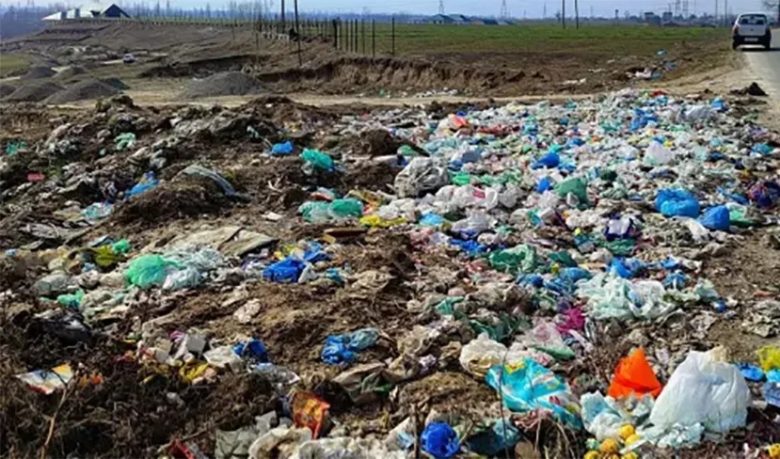
Srinagar: In Indian illegally occupied Jammu and Kashmir (IIOJK), Peoples Democratic Party (PDP) president Mehbooba Mufti has expressed concern over the use of saffron fields in Pampore as a municipal dumping ground, describing the practice as an assault on the territory’s centuries-old saffron heritage.
In a post on X, Mehbooba Mufti said saffron fields had been used for dumping waste for the past three years, affecting nearly 2,000 kanals of land and threatening the livelihoods of around 150 farming families.
She said the dumping had damaged agricultural land, while rats and other rodents were destroying crops in the area.


“This is an outrageous assault on Kashmir’s saffron heritage. Such administrative negligence is indefensible. Our saffron fields are not dumping sites. They must be protected, not poisoned,” she wrote.
She called for immediate intervention to stop waste disposal in the saffron fields and protect the region’s prized crop.
Kashmir’s saffron heritage under threat
Pampore is the main saffron-growing belt in the Kashmir Valley, with around 3,200 hectares under cultivation, followed by Budgam and Srinagar. However, saffron cultivation across the Valley has been in steady decline, with the area under the crop shrinking from 5,700 hectares in the late 1990s to around 3,665 hectares in 2025. Annual production has also fallen sharply, from 15.9 tonnes in the 1990s to just 2.6 to 3.4 tonnes.
Farmers attribute the decline not only to climate change but also to the unchecked expansion of housing colonies and commercial complexes over traditional saffron fields, particularly along highways, as well as the authorities’ failure to protect agricultural land. They warn that the continued neglect of saffron cultivation, compounded by the conversion of fertile fields into dumping sites, is threatening farmers’ livelihoods and pushing Kashmir’s traditional saffron industry towards further decline.
Farmers maintain that the occupation authorities’ persistent failure to protect saffron-growing land reflects a deliberate disregard for Kashmir’s traditional agricultural economy.
Kashmir watchers say the authorities’ indifference to the worsening crisis is part of a broader design to undermine the economic self-reliance of the Kashmiri people and erode their distinct cultural identity.