Kashmir environmental group seeks probe into Sheshnag excavation
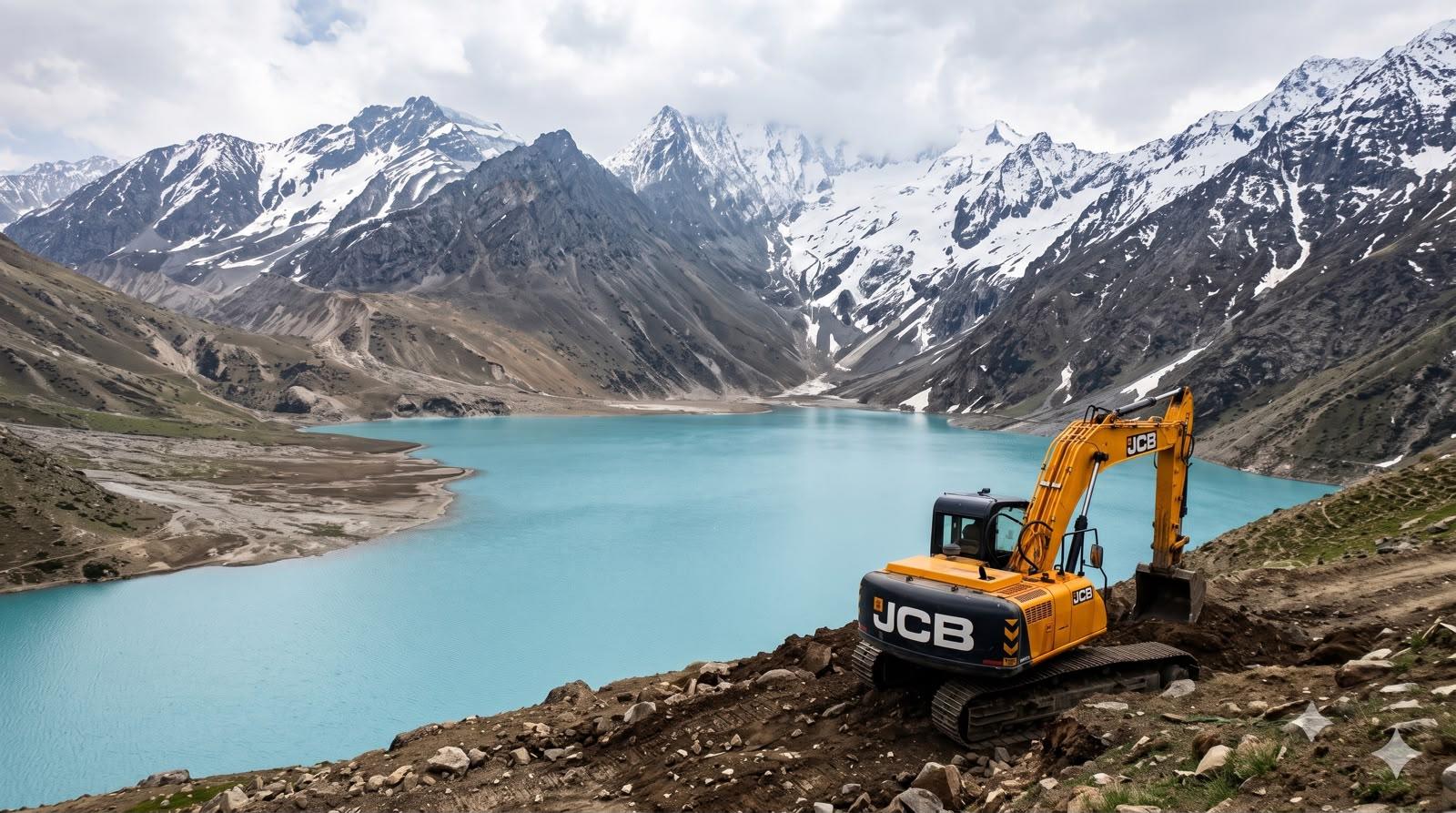
Srinagar: In Indian illegally occupied Jammu and Kashmir, heavy earth-moving machinery operating near Sheshnag Lake in the Kashmir valley has prompted an environmental group to seek an independent investigation.
According to Kashmir Media Service, the J&K Climate Action Group (JKCAG) has submitted a representation to the IIOJK regime, asking it to investigate the use of heavy machinery, excavation and other construction activities near the high-altitude glacial lake. The group raised concerns about the effects of excavation on one of the region’s sensitive alpine ecosystems
Dr. Raja Muzaffar Butt, the group’s chairman and an environmental activist, said excavation, cutting into mountain slopes and dumping construction debris could alter natural drainage patterns, increase sediment entering the lake and cause lasting damage to its catchment.

The group described the reported activities as potential violations of the Environment (Protection) Act, 1986, the Water (Prevention and Control of Pollution) Act, 1974, and noise pollution regulations. It has called for an immediate scientific assessment of the work and its possible ecological and hydrological consequences.
The representation also asks the authorities to suspend activities that could harm the lake until independent experts complete their assessment.
The group wants authorities to disclose the permissions granted for the work, along with technical documents and details of how construction debris is being disposed of.
The dispute comes as authorities undertake infrastructure. The group insistis that construction in the high mountains must follow environmental safeguards and scientific assessments.
Sheshnag’s location within a sensitive mountain landscape makes the concerns particularly significant. Changes to slopes and drainage around an alpine lake can affect how water and sediment move through its catchment, potentially altering the ecosystem over time.
JKCAG said it would approach the Green Tribunal if the authorities failed to take timely action.
“We are seeking appropriate legal intervention to ensure the protection of Sheshnag Lake and its surrounding fragile ecosystem if the authorities fail to take timely and effective action,” the organisation said in its statement.
The group argued that pilgrimage and environmental protection could proceed together, provided development followed scientific principles.
The immediate question now is whether the government will investigate the excavation before construction activities leave lasting consequences for the lake and the mountain landscape surrounding it.