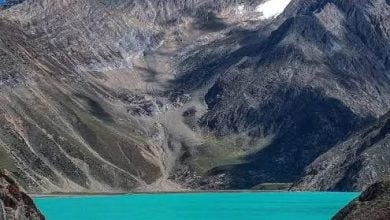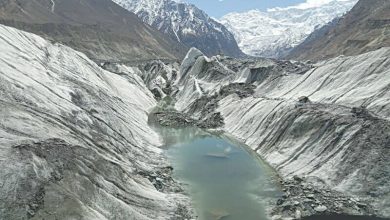
The Neelum River does not just carry water; it carries the weight of a million shattered dreams and the ghosts of divided families. Recently, its cold, churning currents swallowed another father, Irfan Hassan Shah. But to call this a “drowning” is to ignore the systemic slaughter of the human spirit. Irfan did not simply fall into a river; he was pushed into the abyss by a political line that has sliced through the hearts of Kashmiris for decades.
Irfan’s story is a microcosm of the Kashmiri tragedy—a cycle of hope, betrayal, and forced separation. In the mid-90s, he crossed into Azad Kashmir with the dream of freedom. He built a life in Muzaffarabad, married, and raised three children. But the cruelty of the “divide” is that it never lets you truly settle. In 2012, driven by the filial piety of an aging son, Irfan returned to his ancestral village in Rafiabad to serve his parents in Indian occupied Kashmir.
That act of love was rewarded with two years of detention and torture by Indian agencies. Yet, he persisted. He worked tirelessly to ensure his children had the education he ever dreamed of—one to be a lawyer, the other a doctor and the other one a computer engineer . He wanted to build a bridge of knowledge and success for his children, even while the physical bridge to his family remained guarded by guns.
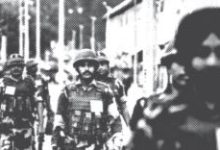
Then came the horror of May 2025. Under the guise of the Pahalgam incident, the Indian government unleashed a campaign of mass detentions and forced deportations. In a heartless stroke of administrative cruelty, families were ordered to return to Azad Kashmir. Wives were torn from husbands; children were ripped from their fathers’ arms. Irfan’s family was thrown back into the uncertainty of Muzaffarabad, leaving Irfan behind in a land where his very existence was viewed with suspicion.
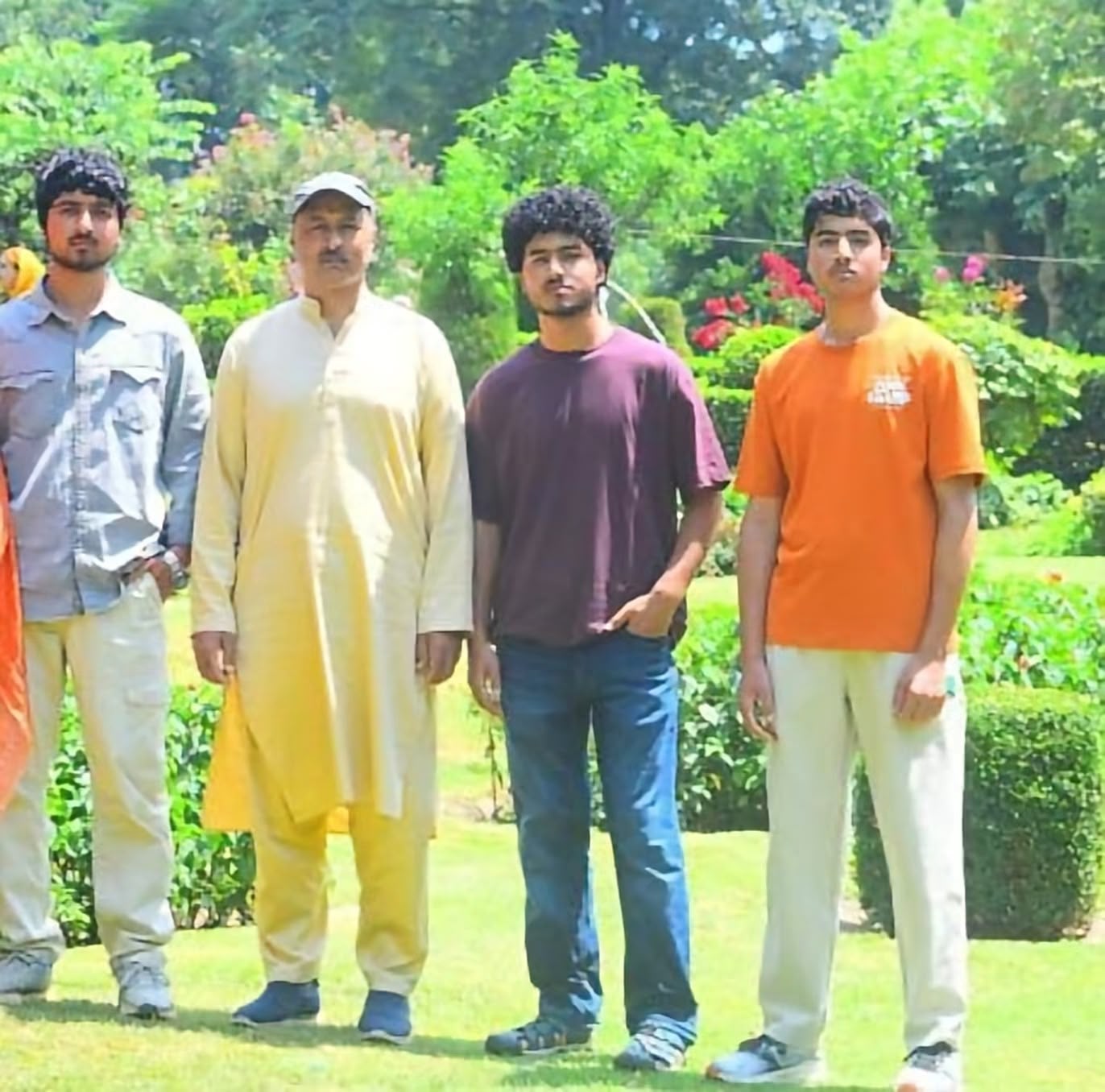
Imagine the psychological torture of a man who cannot even call his children without risking a prison cell. Imagine the agony of a father who sees his children growing up through a telescope, knowing that the only thing separating him from them is a “Ceasefire Line” that acts as a wall of death.
The anxiety of the divided family is a slow-acting poison. It is the depression of knowing that your children are in a different world, and the only way to reach them is to gamble with your life. When the state denies a passport—turning a basic human right into a weapon of control—it leaves a desperate man with only one choice: the river.
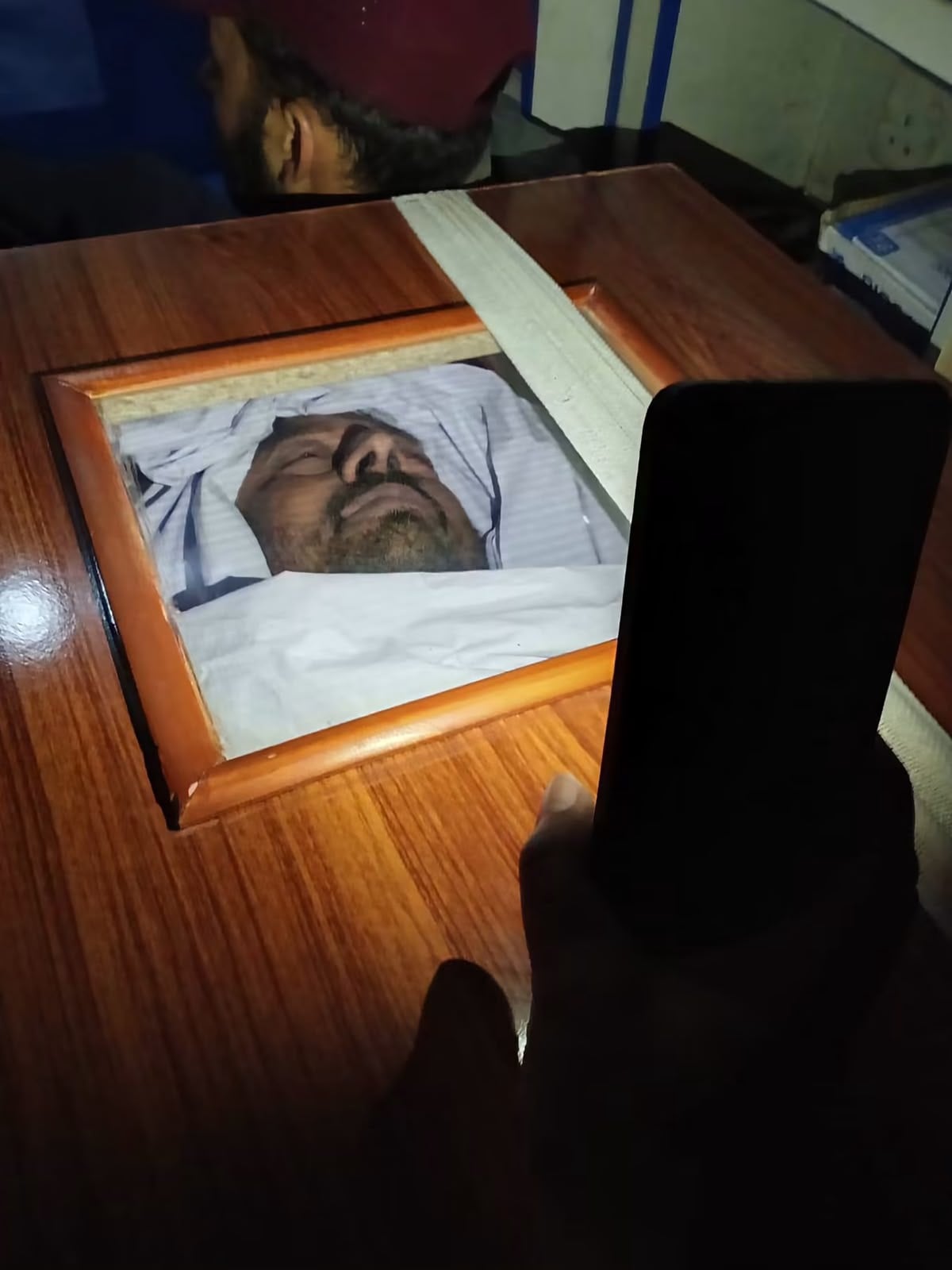
Irfan chose the Keren sector. He didn’t see a border; he saw a path to his children. He didn’t see a ceasefire line; he saw a reunion. But the river, indifferent to human suffering, became his grave. His body was fished out by the disaster management team at Atmaqam—a reunion not of flesh and blood, but of a corpse and a grieving family.
Who is responsible for this death?
The blood is on the hands of those who maintain this artificial divide. It is on the Indian government that uses deportation as a weapon of war. It is on the “collaborators” who prioritize political optics over human lives. And it is on the United Nations, which continues to recite the script of “self-determination” and “human rights” while the world ignores the screams of Kashmiri families.
The UN Charter promises the right to family life, yet in Kashmir, the family is the first casualty of the conflict. When a family is torn apart in Europe, the world mourns. When a Kashmiri father drowns trying to hug his children, the world calls it a “security incident.”
Irfan Hassan Shah is gone, but his death leaves us with a haunting question: How many more fathers must the Neelum River swallow before the world realizes that a line drawn on a map should not be a line drawn through a human heart?
Until the “Line of Control” becomes a line of peace, the waters of the Neelum will continue to run red with the blood of those who only wanted to go united with their families and loved ones.
The author Altaf Hussain Wani is the Chairman of the Kashmir Institute of International Relations (KIIR), specializing in the analysis of Kashmir politics, policy, and international advocacy. He can be reached on X at @sultan1913 or via email at; [email protected].