Pahalgam staged to expedite India’s preplanned defense procurement: Analysts
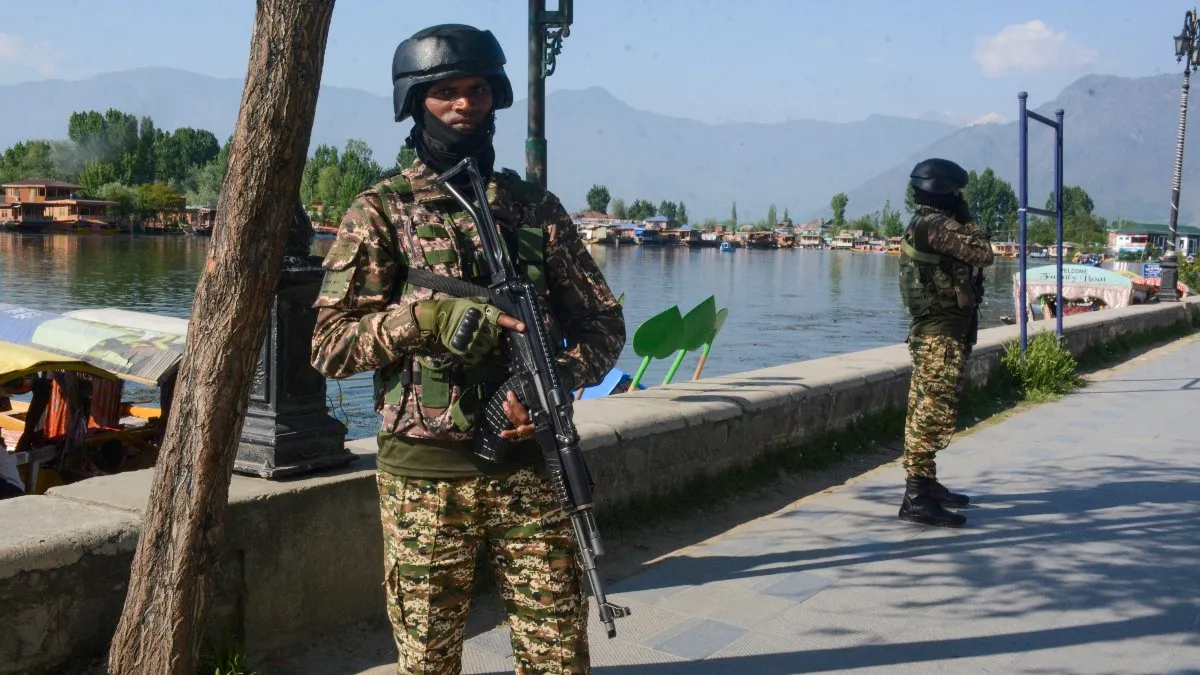
Islamabad: The Pahalgam incident and subsequent Operation Sindoor are being increasingly exposed as part of India’s pre-orchestrated strategy to fast-track multi-billion-dollar defense procurements under the guise of operational necessity, rather than genuine security requirements.
According to Kashmir Media Service, analysts say New Delhi deliberately manufactured a crisis to justify long-prepared modernization schemes.
As a telling example, German defense giant Thyssen Krupp Marine Systems (TKMS) this week signed a Memorandum of Understanding with Indian firm VEM Technologies to co-develop heavyweight torpedoes for the Indian Navy. Officials hailed it as a step under “Make-in-India,” but observers noted its timing fits neatly into India’s post-Sindoor procurement spree, where contracts are being rushed through with multiple international suppliers — Russia, France, Israel, the UK, and now Germany.

Simultaneously, the Border Security Force (BSF) inaugurated a “School of Drone Warfare” in Tekanpur, Madhya Pradesh, to train “drone warriors” and “drone commandos.” The BSF leadership explicitly linked the program to lessons from Operation Sindoor, portraying drones as decisive in battles against Pakistan. Critics argue this is less about border defense and more about institutionalizing a long-prepared push for drone-centric warfare, backed by budgetary windfalls unlocked after Pahalgam.
Independent experts stress that India’s military chiefs deliberately hyped claims of technological superiority — citing Rafales, S-400s, and BrahMos strikes — to manufacture justification for accelerated procurements. Yet, Pakistani defenses, including the J-10C fleet and layered air systems, neutralized India’s so-called superiority, exposing the “success stories” as scripted propaganda.
The synchronized pace of imports — German torpedoes, French Rafales, Russian fighters, Israeli drones, and British propulsion systems — proves this is not improvisation but a long-term procurement roadmap. The Pahalgam incident acted as a catalyst, creating the urgency required to unlock budgets and win political approval.
Observers warn that another staged provocation may follow, allowing India to showcase its new acquisitions, seek further funds, and perpetuate the illusion of military superiority over its neighbors.