MMU expresses concern over Hazratbal shrine plaque
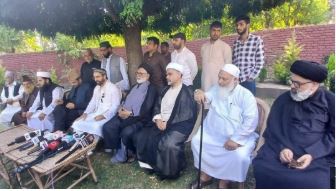
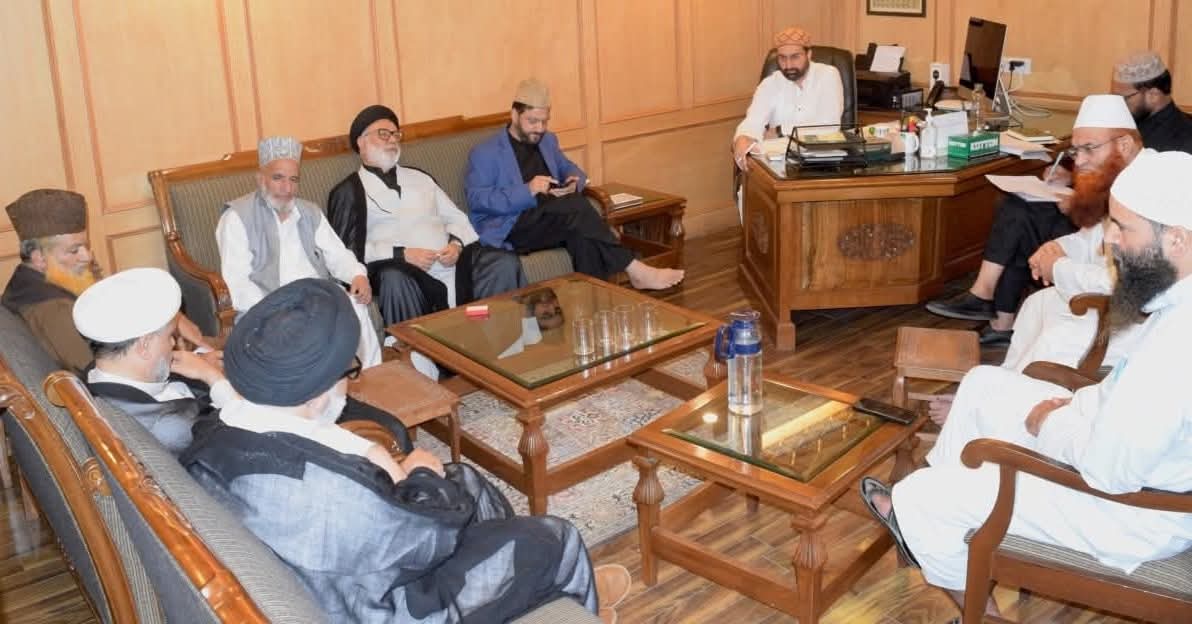 Srinagar: Mutahida Majlis-e-Ulema (MMU), the largest conglomerate of religious organisations in Indian illegally occupied Jammu and Kashmir headed by Mirwaiz Umar Farooq, has expressed serious concern over the recent developments at the revered Hazratbal Shrine, where a plaque, bearing the Ashoka Chakra, has been installed in connection with refurbishment works.
According to Kashmir Media Service, the MMU in a statement issued in Srinagar said Hazratbal is not merely a structure; it is the spiritual heart of the Muslims of occupied Jammu and Kashmir, bound to our faith and identity through centuries of devotion. Any alteration that undermines its sanctity deeply pains the devotional sentiments attached to it, it added.
It said, “Islam is explicit in its teachings: no plaques, emblems, figures, or symbols are permitted in mosques or shrines. This principle, it said, has been honored across our land for generations. Even when the Hazratbal Shrine was rebuilt in the past, no plaques or foundation stones were placed, out of respect for the injunctions of Shari‘ah and tradition. To introduce them now sets a dangerous and unnecessary precedent.”
The MMU reminds the Waqf Board that such acts are inconsistent with the responsibility entrusted to it under Muslim law and custom. Shrines must remain places of purity, prayer, and humility—not spaces for symbols or displays.

At the same time, MMU believes that the reaction of the people to this issue reflects their sincere religious concern. Filing FIRs against worshippers who protested from the depth of their faith is unjustified and unwarranted. Matters of religion must be resolved with understanding and dialogue, not with harsh punitive measures.
The MMU, therefore, calls for the immediate removal of the plaque from Hazratbal and urges the Waqf Board and authorities to consult religious scholars before undertaking any future works at sacred sites, it remarked.
Muttahida Majlis-e-Ulama Jammu and Kashmir includes Anjuman Auqaf Jamia Masjid, Mufti Azam’s Muslim Personal Law Board, Darul Uloom Rahimiyah, Anjuman Sharie Shian, Jamiate Ahle Hadith, Karwan-e-Islami, Maulana Masroor Abbas Ansari, Anjuman Himayat-ul-Islam, Jamia Sabeel-ul-Huda Bemina Srinagar, Anjuman Tabligh-ul-Islam, Jamiat Hamdania, Anjuman Ulama-e-Ahnaf, Darul Uloom Qasmiya, Darul Uloom Bilaliya, Anjuman Nusrat-ul-Islam, Anjuman Mazhar-ul-Haq, Jamiat-ul-Aima wal Ulema, Anjuman Aima wa Mashayekh Kashmir, Darul Uloom Naqshbandiya, Darul Uloom Rashidiya, Ahlul Bait Foundation, Madrasa Kanzul Uloom, Idara Ghausia Saraibala, Kahkah-e- Hyderia Aishmuqam, Pirwan-e-Wilayat, Auqaf Islamia Khiram Sirhama, Bazm-e-Tauheed Ahle Hadith Trust, Anjuman Tanzeem-ul-Makatib, Muhammadi Yateem Trust, Anjuman Anwar-ul-Islam, Karwan Khatm-e-Nabuwwat, Darul Uloom Syed-ul-Mursaleen, Anjuman Ulema wa Aima Masajid, Madrasa Zia-ul-uloom poonch, Falah-e-Darain Trust Welfare Society Islamabad, Ashraf-ul-Uloom, Hyderpora, Darul Uloom Dawoodiya, Batamaloo, Darul Uloom Furqaniya, Nowshera, Darul Uloom Dawoodiya, Khanyar, Jamiat-ul-Ulama, Siraj-ul-Uloom, Idara Wahdat-ul-Makatib, Darul Uloom Imdadiya, Natipora, Darul Uloom Jamia-tur-Rashad, Awantipora, Khanqah Muradiya, Jamia Masjid Kreeri, Darul Uloom Saut-ul-Quran, Gulshanabad, Awami Rahat Centre, Imamia Federation Kashmir, Alnoor Trust Bemina, Shaheen Syndicate social Trust, Jamiat Ulema Wa Aima, Masajid Jammu and Kashmir, Daraul Uloom Syed ul Mursaleen, Kulgam, and other contemporary religious, milli social, and educational institutions.