Drug abuse reaches catastrophic levels in IIOJK, over 13.5 lakh affected
Experts warn of deepening crisis under Indian occupation
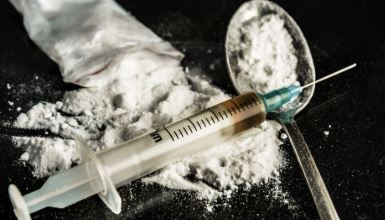
Srinagar: Drug abuse in Indian illegally occupied Jammu and Kashmir has escalated to an unprecedented level, with official records confirming that more than 13.5 lakh people across the territory are now dependent on various substances.
Alarmingly, nearly 1.68 lakh of them are minors, including school-going children—marking one of the gravest public health emergencies in the territory.
According to Kashmir Media Service, health officials have warned that early-age exposure is rapidly increasing long-term addiction risks. Among young users alone, over 95,000 minors are reported to be dependent on opioids, including heroin—one of the most lethal substances circulating in the territory.

Although, authorities had introduced Standard Operating Procedures (SOPs) for “Nasha Mukt Panchayats and Urban Local Bodies” on December 20, 2023 to eliminate illicit crops, public helpline awareness, and monthly community programmes, yet compliance has been dismal, while not a single Urban Local Body ward has met required standards.
Experts note that the surge in drug abuse cannot be viewed in isolation. Years of militarization, unemployment, psychological trauma, and breakdown of social support systems under India’s occupation have created conditions in which addiction thrives. Weak enforcement, lack of accountability, and absence of community rehabilitation models have further allowed the problem to spread.
According to independent assessments, the crisis is not merely administrative failure but appears to stem from intentional overlook by authorities. Analysts believe a “hidden hand” involving Indian police, agencies, and sections of the armed forces is enabling, if not directly facilitating, narcotic inflows to weaken Kashmiri society from within. The deliberate flooding of drugs into the territory is viewed as part of a broader strategy to destroy Kashmiri youth, divert their energies, and undermine the ongoing freedom struggle against Indian occupation. Several civil society members have repeatedly alleged that drug trafficking networks function with official protection, ensuring that the menace continues unchecked.