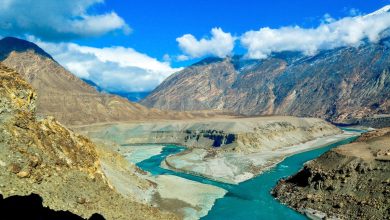
 In September 2025, Ladakh, the sparsely populated Himalayan region often romanticized as a “land of lamas and mountains,” erupted in protests that left four people dead and more than 60 injured. The violence in Leh was not a sudden outburst but the culmination of six years of unheeded grievances. What began as peaceful hunger strikes and marches has now turned into a political crisis that exposes India’s failure to honor its democratic and international obligations.
Since the abrogation of Article 370 in August 2019, Ladakh has been governed directly from New Delhi, stripped of meaningful autonomy and without the protections once available under Jammu and Kashmir’s special status. Local councils have been weakened, promises of statehood have gone unfulfilled, and safeguards for the tribal population under the Sixth Schedule remain on paper. For years, youth, civil society, and community leaders—most prominently Sonam Wangchuk—pressed their demands peacefully. Their calls were simple: statehood, protection of land and jobs, and local governance. Yet the silence from New Delhi has been deafening.
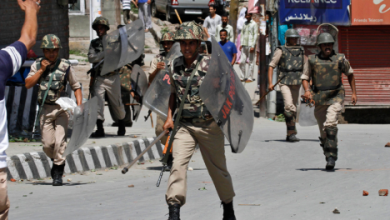
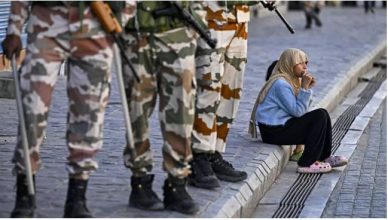
On September 24, after a two-week hunger strike, protests in Leh spiraled into violence. Demonstrators set fire to government buildings and clashed with police. Security forces responded with batons, tear gas, and live ammunition. International media including Reuters, AP, and Al Jazeera reported on the crackdown, while Human Rights Watch warned that the use of lethal force appeared disproportionate. Authorities quickly imposed curfews, suspended internet services, and detained dozens of activists.
The arrest of Sonam Wangchuk, India’s best-known eco-innovator, under the National Security Act has become a flashpoint. Once celebrated globally for his solar-powered schools and environmental innovations, Wangchuk is now painted by the government as a security threat. His NGO has lost its license to receive foreign funding, crippling its work. Critics argue that silencing civil society at precisely the moment when dialogue is most needed only deepens mistrust.
India is not only bound by its own constitution but also by international law. The Universal Declaration of Human Rights (UDHR) guarantees the right to life and liberty (Article 3) and freedom of opinion and expression (Article 19). The International Covenant on Civil and Political Rights (ICCPR), to which India is a party, enshrines the right to peaceful assembly (Article 21) and prohibits arbitrary deprivation of life (Article 6). The UN Basic Principles on the Use of Force and Firearms explicitly state that lethal force can only be used when strictly unavoidable to protect life.
By opening fire on protesters, suspending internet access, and detaining activists without due process, the Indian government has acted in ways that appear inconsistent with these obligations. Human Rights Watch has stressed that the crackdown may amount to violations of both domestic law and international commitments.
The people of Ladakh have put forward demands that are neither abstract nor radical but grounded in their constitutional and democratic rights. They seek full statehood with genuine control over land, environment, and employment; constitutional safeguards under the Sixth Schedule to protect tribal identity and resources; an independent judicial inquiry into the recent deaths and injuries caused by police firing; and the restoration of their fundamental freedoms, including the right to peaceful protest and free expression.
These demands reflect both a desire for dignity and a constitutional framework that India itself has used in other tribal regions.
The Ladakh protests cannot be seen in isolation. They are part of a broader pattern in which dissent is stifled, internet blackouts are routinely imposed, and local voices are sidelined. In Kashmir, Assam, Manipur, and elsewhere, the same tactics of repression, legal overreach, and curtailment of civil liberties have been deployed. The erosion of regional autonomy in Ladakh mirrors what Kashmiris have experienced since 2019.
The international community must not look away. The UN Human Rights Council should call for an impartial investigation into the use of force in Leh. India should be pressed to restore internet services, release detained activists, and open channels for genuine dialogue. Most importantly, Ladakhis must be given a seat at the table in deciding their own political future.
Ladakh’s uprising is not just about statehood or Sixth Schedule status. It is about the right to dignity, representation, and self-determination. It is about whether India, which claims to be the world’s largest democracy, will honor its obligations to its own citizens and to the international community.
Without justice and accountability, Ladakh’s fragile peace will remain an illusion. The world must not wait for another tragedy in the Himalayas before it begins to listen.