IIOJK turned into ‘information black hole’ under Indian rule: RSF
Journalists work under constant pressure, danger, says media watchdog
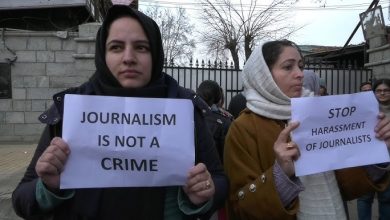
Srinagar: Six years after the revocation of its special status, Indian illegally occupied Jammu and Kashmir has become an “information black hole” where reliable news is scarce and journalists are forced to work under constant pressure, intimidation and danger, Reporters Without Borders (RSF) has said.
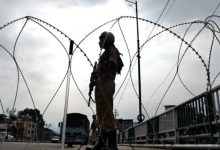
According to Kashmir Media Service, RSF in a detailed statement warned that the territory, already one of the most militarised in the world, has witnessed intensified repression of independent voices since August 2019. The Paris-based media watchdog highlighted that the situation further worsened during the May 2025 clashes between India and Pakistan, following the Pahalgam attack, when independent journalist Hilal Mir was arrested over a Facebook post. Several Kashmiri media outlets, including Maktoob Media, Free Press Kashmir and The Kashmiriyat, were also blocked on X.
RSF noted that journalists covering sensitive subjects such as human rights abuses and military operations are subjected to surveillance, arrests and reprisals. Since 2019, at least 20 journalists have been arrested, including The Kashmir Walla’s editor Fahad Shah, who spent nearly two years in detention for reporting on a gunfight. Another journalist, Irfan Meraj, arrested in 2023, continues to face nine charges under draconian laws, including the Unlawful Activities (Prevention) Act (UAPA).
“Media professionals in [occupied] Jammu and Kashmir operate in a climate of permanent intimidation, marked by severe restrictions and constant psychological pressure,” said Célia Mercier, Head of RSF’s South Asia Desk, urging India to respect press freedom and allow independent journalism.
The watchdog documented cases of digital surveillance, phone tapping, police summonses, and visits to journalists’ homes. It added that the closure of the Kashmir Press Club in 2022 deprived local reporters of a professional space and further fuelled isolation. Internet restrictions remain a persistent obstacle, with services throttled to 2G or suspended during military operations.
RSF also highlighted arbitrary actions by Indian authorities such as the cancellation of passports, denial of press cards, and flight bans imposed on journalists. Pulitzer-winning Kashmiri photojournalist Sanna Irshad Mattoo was barred from boarding an international flight in 2022 despite having valid documents.
Journalists told RSF that sources are often unwilling to speak out due to fear, leaving stories untold. Many also described burnout and psychological trauma from working under years of repression.
The organisation stressed that the denial of press freedom in occupied Jammu and Kashmir not only endangers journalists’ lives but also deprives millions of people of their right to independent and reliable information in a territory recognised by the United Nations as disputed and illegally occupied by India.