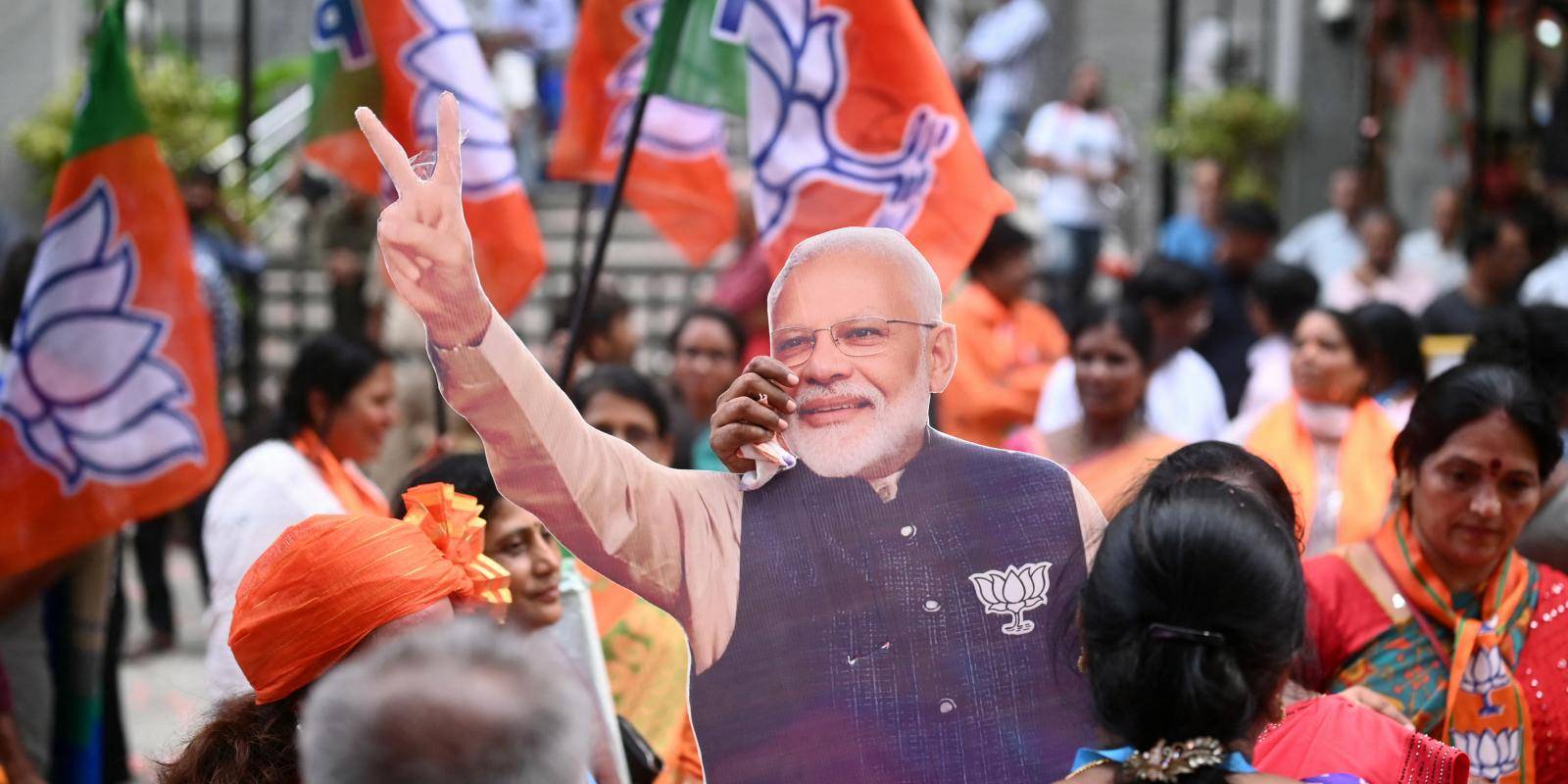
 As Bihar heads toward its legislative assembly elections on November 6 and 11, with results expected on November 14, the state is not witnessing a contest over governance but a theatre of nationalism. What should have been a referendum on economic performance has been turned into a test of patriotism. Prime Minister Narendra Modi has made anti-Pakistan rhetoric the centerpiece of his campaign, replacing policy debate with fear and spectacle in the name of national security.
Power still rests with the Bharatiya Janata Party (BJP)–Janata Dal (United) [JD(U)] alliance under the National Democratic Alliance (NDA), which holds a slim majority in the 243-member assembly. Yet public frustration runs deep. Poverty, unemployment, and collapsing infrastructure remain defining realities despite years of promises of “vikas.” According to the Periodic Labour Force Survey (PLFS 2022–23), published on March 12, 2025, Bihar’s unemployment rate stands at about 3.9 percent, slightly higher than the national average, while urban youth joblessness exceeds 10 percent. The Indian Express (October 11, 2025) reported that nearly one-third of Bihar’s working-age population is underemployed or compelled to migrate for work.
Behind the slogans lies political survival. Modi’s speeches regularly invoke Pakistan and security threats, turning the Pahalgam attack into campaign capital. Instead of addressing Bihar’s persistent economic paralysis, the BJP has recast insecurity as identity and nationalism as governance. Even the Election Commission’s decision to cut polling to two phases, down from five in 2015, signals a government more concerned with optics than accountability.
The opposition remains fragmented. The Rashtriya Janata Dal (RJD) leans on its social justice legacy, the Indian National Congress (INC) struggles to stay relevant, and the Jan Suraaj Party (JSP) targets disillusioned youth, Dalits, and Muslims. However, the BJP’s media influence and digital infrastructure continue to overshadow opposition campaigns.
The gap between promise and performance has widened. NITI Aayog’s Macro and Fiscal Landscape of Bihar (March 12, 2025) notes that nearly 88 percent of the state’s population still lives in rural areas, most trapped in subsistence or informal work. Despite a capital outlay of around ₹42,000 crore, infrastructure remains incomplete or stalled. About one-third of the population still lives below the poverty line, and private-sector job creation lingers at roughly 2 percent—far below the national average.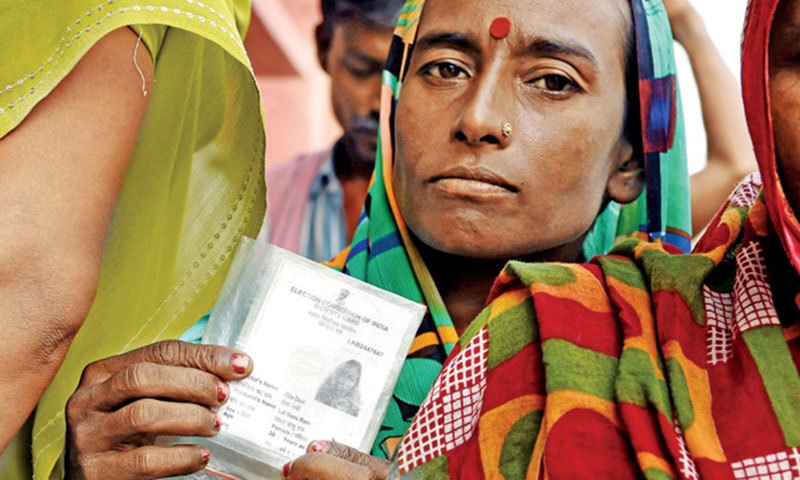
Instead of fixing these structural issues, the Modi government has weaponized nationalism and identity. The 726-kilometre Nepal border is now described as a potential zone of infiltration, with campaign rhetoric linking Bihar’s geography to Pakistan-inspired terrorism. Deccan Herald (September 28, 2025) and The Economic Times (September 19, 2025) report that this “infiltration” narrative is being used to consolidate upper-caste Hindu votes and divert attention from governance failures both by Narendra Modi and Amit Shah. Analysts cited by these outlets call it a deliberate “securitization strategy” that turns local challenges into national security spectacles.
Communal polarization has deepened further. Muslims, who make up around 17 percent of Bihar’s population and influence more than 60 constituencies, are being vilified in campaign discourse. National Herald (February 14, 2025) citing India Hate Lab, documented a 74 percent spike in hate-speech incidents across India, with Bihar among the states witnessing sharp increases. The BJP’s revival of the “Mandal versus Mandir” rhetoric fractures caste solidarity, reinforcing upper-caste dominance. The government’s resistance to a comprehensive caste census also curtails empowerment for Dalits and OBCs. Smaller outfits like AIMIM, accused of dividing secular votes, further weaken opposition unity.
The Congress has raised allegations of “vote chori,” or vote theft, pointing to growing public distrust in electoral fairness. Yet Modi’s control over state institutions and the digital space ensures that dissenting voices are drowned out by orchestrated patriotism.
Bihar’s 2025 election is not merely a state contest. It reflects India’s broader political drift toward performative nationalism. Governance has been replaced by grievance, accountability by aggression, and policy by propaganda. Nationalism has become both a shield and a sword—protecting those in power while cutting down the possibility of honest debate.
For millions of ordinary Biharis, this brand of nationalism brings no relief from unemployment or hunger. They are being asked to wave flags when their homes lack jobs, food, and healthcare. As poverty deepens, the government offers not reform but rhetoric.
This is the tragedy of Bihar 2025. When democracy rewards noise instead of nuance, loyalty instead of livelihood, the victims are not just the jobless youth of Bihar but the very soul of India’s democracy itself.