Rampant abuse, deep rot: sexual harassment exposes institutional decay in Indian Army
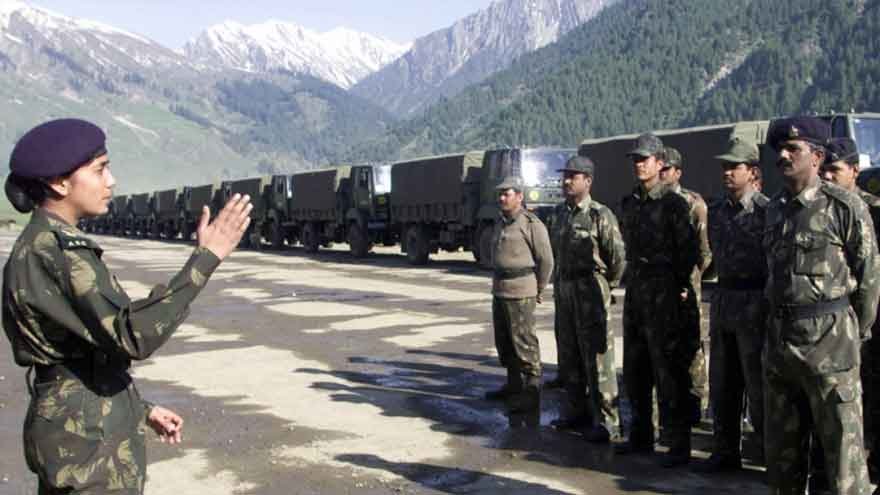
Srinagar: The Indian Army, long portrayed as a disciplined and patriotic institution, stands deeply discredited as a series of verified cases from 2015 to 2025 reveal a disturbing pattern of sexual harassment, abuse of authority, and institutional cover-ups within its ranks.
According to Kashmir Media Service, the most recent case emerged in 2025 from the 1 Armoured Division in Patiala, where a woman Major accused a serving Lieutenant Colonel of sexual harassment. Instead of acting under the Sexual Harassment of Women at Workplace (Prevention, Prohibition and Redressal) Act, 2013 (POSH Act), army authorities initiated an informal internal “inquiry,” bypassing the legally mandated Internal Complaints Committee (ICC) process. Reports suggest that the victim was subjected to intimidation and pressure to withdraw her complaint, exposing a blatant disregard for law and the dignity of women officers.

This case is not isolated. Over the past decade, multiple incidents across India’s armed forces—including the army and air force—have shown systemic patterns of abuse, delay, and impunity:
– In 2015, a woman Captain in the Signal Corps accused her senior Colonel of sexual harassment. Though prima facie evidence was found, accountability was delayed for months due to internal pressure.
– Between 2021 and 2025, a Major was convicted by a General Court Martial for sexually abusing an 11-year-old domestic worker in army quarters—justice delivered only after court intervention.
– In Srinagar (2024), a woman officer of the Indian Air Force faced continuous harassment and assault by a Wing Commander. Despite her police complaint, the accused was granted anticipatory bail, reflecting institutional bias.
– In Shillong (2024–2025), a Brigadier was accused of harassing and threatening a Colonel’s wife, yet police failed to make any arrests despite an ongoing investigation.
– In Indore (2024), several army officers were named in a case of group assault and sexual violence, again raising questions about safety and ethics within the force.
– In Odisha (2025), Colonel Amit Kumar accused senior generals and brigadiers of raping his wife.
The police allegedly engaged in intimidation, with no FIR registered.
– In Chandigarh (2025), a Colonel was dismissed after being found guilty of maintaining an illicit relationship with another officer’s wife, involving forged documents and misuse of official privilege.
Analysts say these cases expose a toxic culture of silence and fear within the Indian armed forces. Victims are often pressured to retract their complaints, while senior officers misuse their rank to escape punishment. The POSH Act is routinely ignored, and Internal Complaints Committees exist only on paper.
Civilian oversight remains weak, especially under military jurisdiction and draconian laws like AFSPA, which shield perpetrators from accountability in conflict zones such as Indian illegally occupied Jammu and Kashmir.
Observers note that the rising number of complaints is a sign of growing awareness among women officers but warn that meaningful reform, transparency, and justice remain absent. Instead, the institution has chosen secrecy and denial, betraying its professed values of honor, integrity, and discipline.
These revelations, verified through Indian media and judicial sources between 2015 and 2025, depict a grim reality: the Indian Army’s internal decay is not limited to moral failures but reflects systemic corruption, patriarchal impunity, and institutional negligence. Women officers—who volunteer to defend their country—continue to fight another battle within their own ranks, against harassment, abuse, and silence. KMS—7K