Ladakh bodies demand 30-seat assembly, statehood guarentees
LAB, KDA seek continuation of IIOJK High Court as common judicial institution
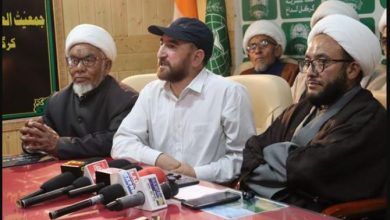
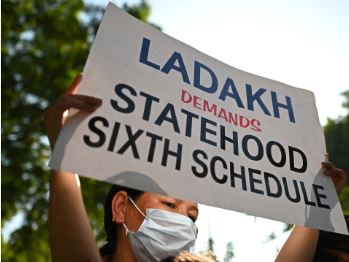 Leh: The Leh Apex Body (LAB) and the Kargil Democratic Alliance (KDA) have urged India to immediately address Ladakh’s long-pending political demands, submitting a detailed 29-page framework seeking a 30-member Legislative Assembly and constitutionally protected Statehood under the Sixth Schedule.
According to Kashmir Media Service, the document titled Sixth Schedule Provisions and a Case for Statehood: Draft Framework for Ladakh was emailed to the Indian Ministry of Home Affairs. The draft protections granted to marginalized regions.
The LAB and KDA have also submitted a proposed State of Ladakh Act, 2025, which demands a 30-seat Assembly—28 reserved for Scheduled Tribe communities. The draft further recommends that the existing High Court for occupied Jammu and Kashmir and Ladakh should continue as a common judicial institution. It calls for replacing the current Hill Development Councils with Autonomous District Councils for Leh and Kargil.
LAB co-chairman Chering Dorjay Lakruk told reporters in Leh that the joint submission rests on the core demands both bodies have consistently raised before the Indian authorities: full Statehood and extension of the Sixth Schedule. He added that questions related to reservation in government jobs and domicile rules have already been settled by the administration.
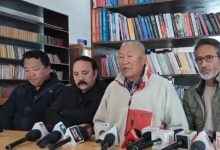
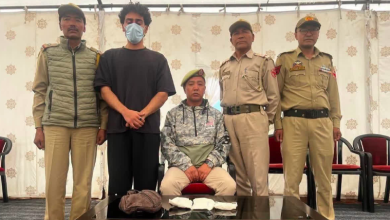
The organisations have also appealed for general amnesty for all persons arrested following the September 24 violence in Leh, including climate activist Sonam Wangchuk, who remains detained under the draconian National Security Act (NSA). Several others face charges under various criminal provisions after the uprising in which four civilians were killed and around ninety injured, including security personnel. Government offices, Hill Council properties and vehicles were also damaged during the strike called by the LAB youth wing to press for dialogue with the MHA.
Dialogue between New Delhi and Ladakh bodies had collapsed after the September 24 uprising with both LAB and KDA boycotting the October 6 meeting. Talks resumed on October 22 only after the MHA announced a judicial inquiry into the violence, to be headed by a retired Supreme Court judge.
The Ladakh bodies have reiterated that unless their demands for democratic restoration, constitutional protection and amnesty are met, the region will continue to face deep political uncertainty.