Dr Fai urges world powers to respect Kashmiris’ right to self-determination
Lahore conference reaffirms UN mandate, denounces global silence on IIOJK
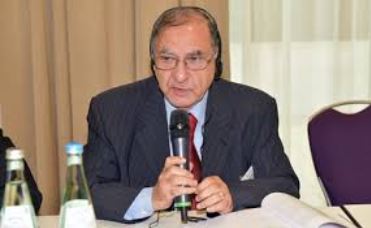
Lahore: Dr Ghulam Nabi Fai, Chairman of the World Forum for Peace and Justice, has stressed that global powers have neither the right nor the moral authority to dictate the final settlement of the Kashmir dispute, saying their duty is to help facilitate a just solution in line with the aspirations of the Kashmiri people.
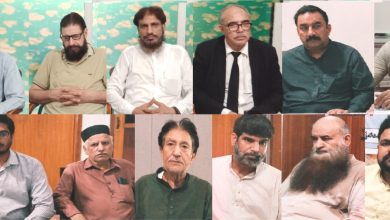
According to Kashmir Media Service, Dr Fai made these remarks at an International Roundtable Conference titled “Quest for a Just Global Order”, organised by Jamaat-e-Islami Pakistan at a local hotel in Lahore. The conference brought together more than 160 delegates from 42 countries across six continents.
Dr Fai said the people of Jammu and Kashmir have already conveyed to India, Pakistan and the international community that no outcome imposed against their wishes will ever be acceptable. “The final settlement must be determined through the exercise of the right to self-determination as guaranteed under the UN Security Council resolutions,” he asserted.

In his opening address, Hafiz Naeem ur Rehman, Ameer of Jamaat-e-Islami Pakistan, said the world has chosen to remain indifferent to India’s military occupation of Kashmir. He said over one million Indian troops continue to violate the basic human rights of Kashmiris every day, yet global institutions have failed to respond meaningfully. He reiterated that the UN-mandated plebiscite must be conducted without delay.
The Lahore Declaration adopted at the conference reaffirmed that the Kashmir dispute remains anchored in international law through 16 substantive UN Security Council resolutions. It warned that denial of self-determination to both Kashmiris and Palestinians for more than seven decades has pushed South Asia and the Middle East to the brink of potential nuclear confrontation, calling peaceful settlement of both conflicts essential for global stability.
Dr Fai highlighted the responsibilities of the Kashmiri leadership, saying any genuine freedom movement requires unity, clarity of purpose and a focus on the collective rights of the people. “Leadership is the ability to rise above personal interest and turn diversity into unity,” he said.
He noted that although UNSC resolutions were passed decades ago, “nothing has been irretrievably lost,” as the principle of determining the region’s future through the will of its people remains fully applicable. He suggested a joint India-Pakistan committee, working with Kashmiri representatives and UN experts, to outline options for a peaceful, equitable dispensation for all regions of the State as it existed on 15 August 1947.
Dr Fai underscored that any meaningful peace process must begin with demilitarisation, an end to repressive measures in Indian-occupied Jammu and Kashmir, and the release of all political prisoners, including Muhammad Yasin Malik, Shabbir Ahmad Shah, Masarrat Aalam Butt, Aasiya Andrabi and others. Such steps, he said, would create the confidence necessary to move towards a durable settlement.
He concluded that the UN Security Council resolutions cannot be ignored by any party, as they embody the international mandate guaranteeing Kashmiris’ inalienable right to self-determination. “To renounce these resolutions is to renounce the very foundation of the United Nations Charter,” he warned.