Modi’s tech diplomacy exposed as US excludes India from Pax Silica alliance
Pakistan emerging as key player, India’s global stature suffers under Modi
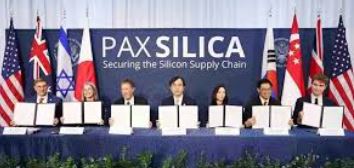
New Delhi: India has been left out of the US-led strategic initiative, Pax Silica alliance, unveiled on December 12, 2025, with founding members including the US, Japan, Australia, South Korea, Singapore, the UK, and Israel, highlighting India’s diminishing credibility on the global stage.
According to Kashmir Media Service, experts and opposition leaders say the exclusion exposes India’s domestic failures in semiconductors. The country still lacks advanced fabs beyond 7nm, relies heavily on assembly and testing, and suffers shortages in silicon wafers, high-purity chemicals, specialized talent, and essential infrastructure such as stable power and water. The India Semiconductor Mission’s incentives fall short against $5–10 billion per-fab costs, Taiwan and South Korea competition, production risks, and uncertain demand, rendering Modi’s “tech superpower” rhetoric hollow.
Congress leader Jairam Ramesh criticized the diplomatic setback, saying, “Given the sharp downturn in Trump–Modi ties since May 10, 2025, it is perhaps not very surprising that India has not been included.” He termed the episode a “missed opportunity,” noting India’s global credibility loss, Pakistan’s regional gains, and the country’s BRICS alignment alienating Washington.

Analysts say being bypassed for alliances like Pax Silica signals India’s unreliability and irrelevance at the global tech table. While the US, Japan, South Korea, and Australia secure AI and semiconductor dominance, India faces diplomatic isolation. Replacing India with Israel and Singapore further exposes cracks in Modi’s tech diplomacy and downgrades India’s international influence.
Following repeated failures in strategic planning and international engagement, Pakistan is emerging as a key regional player, while India’s global stature suffers under Modi’s leadership.