‘Go to Pakistan’: another attack on Kashmiri shawl sellers in Himachal Pradesh
New Delhi: In yet another assault on Kashmiris working outside their homeland, a group of Kashmiri shawl sellers were harassed, verbally abused, threatened, and targeted for an attempted attack and looting by a Hindutva gang in the Kasauli area of Solan district, Himachal Pradesh. The assailants told the traders to “go to Pakistan,” marking the 17th such incident reported this year in this Indian state alone.
According to the Jammu and Kashmir Students Association (JKSA), the attack is part of a rising pattern of intimidation against Kashmiri shawl sellers across India.
The assailants verbally abused the sellers, asked them to leave Himachal Pradesh and told them to “go to Pakistan.” The group also attempted to assault and rob the traders before the situation was defused. Those affected were seasonal Kashmiri shawl sellers who travel to different parts of India for business.
Community representatives said repeated attacks have created fear among traders and are damaging social harmony, while no concrete action has been initiated by the state government.
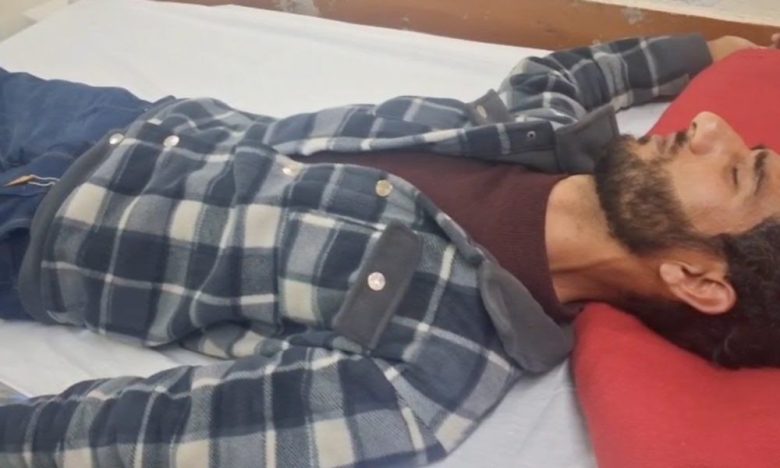
Last week, another Kashmiri shawl seller, Jehangir Ahmad, was brutally assaulted in the Dehra area of Kangra district. Ahmad sustained multiple fractures and injuries and was hospitalised. A video of the assault circulated on social media, exposing the gravity of the attack.
JKSA said Ahmad was threatened, verbally abused, and told to leave the state. He was prevented from selling his shawls, his belongings were vandalised, and his mobile phone was damaged when he attempted to record the incident. The assailants warned that Kashmiris would no longer be allowed to work in the region.
The association highlighted that Ahmad had been selling shawls in Himachal Pradesh for over 15 years and had lived peacefully among the local community.
Observers said the repeated assaults reflect a systematic effort to intimidate Kashmiris working outside their homeland, raising concerns over law enforcement in the state and the broader pattern of communal targeting under Hindutva-driven extremism.