IIOJK civil society calls for restoration of open merit seats
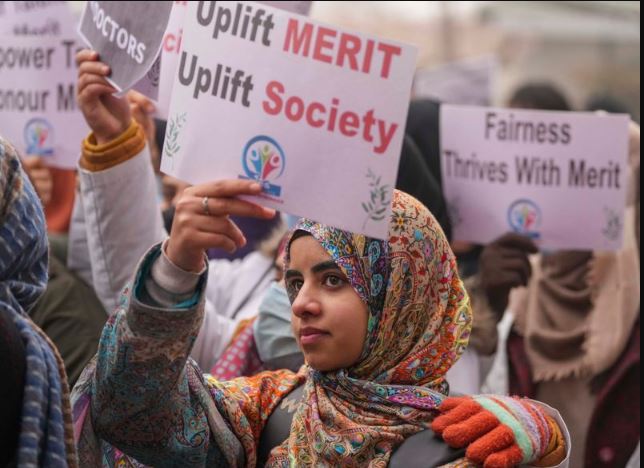
Srinagar: In Indian illegally occupied Jammu and Kashmir, civil society has expressed serious concern over the existing reservation policy and strongly called for the immediate restoration of open merit system.
According to Kashmir Media Service, members of Jammu and Kashmir civil society, in a statement issued in Srinagar, urged the authorities to restore open merit quota. They said the current reservation policy of the New Delhi-installed administration in IIOJK under Lieutenant Governor, has severly undermined the aspirations of meritorious students and job aspirants in the territory, pushing their futures into uncertainty.
The civil society members stressed the need to safeguard the future of deserving students, saying that the restoration of open merit is essential to ensure fairness, justice and equality in education and employment across the territory.
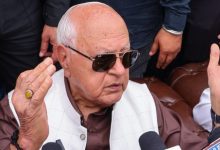
Notably, under the revised policy, the allocation of open merit (general category) seats has been slashed from 57% to 33%, while reservations for Scheduled Tribes (ST) have been doubled from 10% to 20%. Critics argue that this drastic shift disproportionately benefits reserved categories, leaving general category candidates at a disadvantage. The policy also allows reserved category candidates to compete for both open merit and reserved seats. Under the contentious Rule-17, if such candidates vacate an open merit seat after securing a reserved one, the open merit seat is returned to the reserved category pool. Critics describe this practice as a blatant erosion of fairness in seat allocation.
The sharp reduction in open merit seats has fueled fears that merit-based selection is being compromised, potentially lowering standards across education and employment sectors. Observers have labeled this move as the “death of meritocracy,” warning of its long-term impact on professional competence, and development in IIOJK.
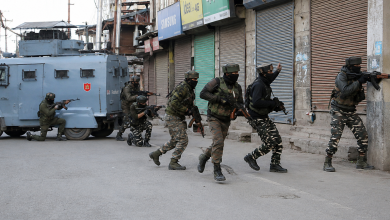
Similar operations were also underway in the forests of Ramban district, where Indian army units have extended their movement to higher reaches, further escalating fear and anxiety among local residents living in and around these areas.
Observers and civil rights groups say these repeated raids, arrests and seizures reflect India’s broader policy of repression in IIOJK, aimed at stifling the Kashmiri people’s legitimate political aspirations and resistance to decades-long occupation. They have urged the international community to take serious notice of the misuse of UAPA and escalating state terrorism in the territory.