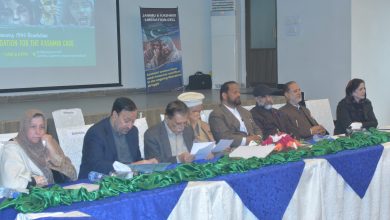
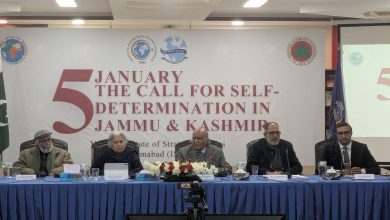
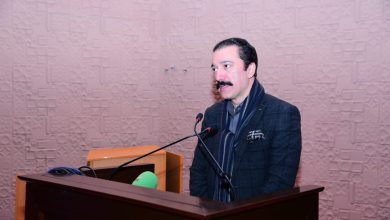
Webinar commemorates Kashmir’s Right to self-Determination day, urges renewed international advocacy
On January 5, 2026, Kashmiri leaders, activists, and diaspora representatives convened virtually to observe Right to Self-Determination Day, commemorating the United Nations resolution of January 5, 1949, which affirmed the right of the people of Jammu and Kashmir to decide their future through a free and impartial plebiscite under UN supervision.
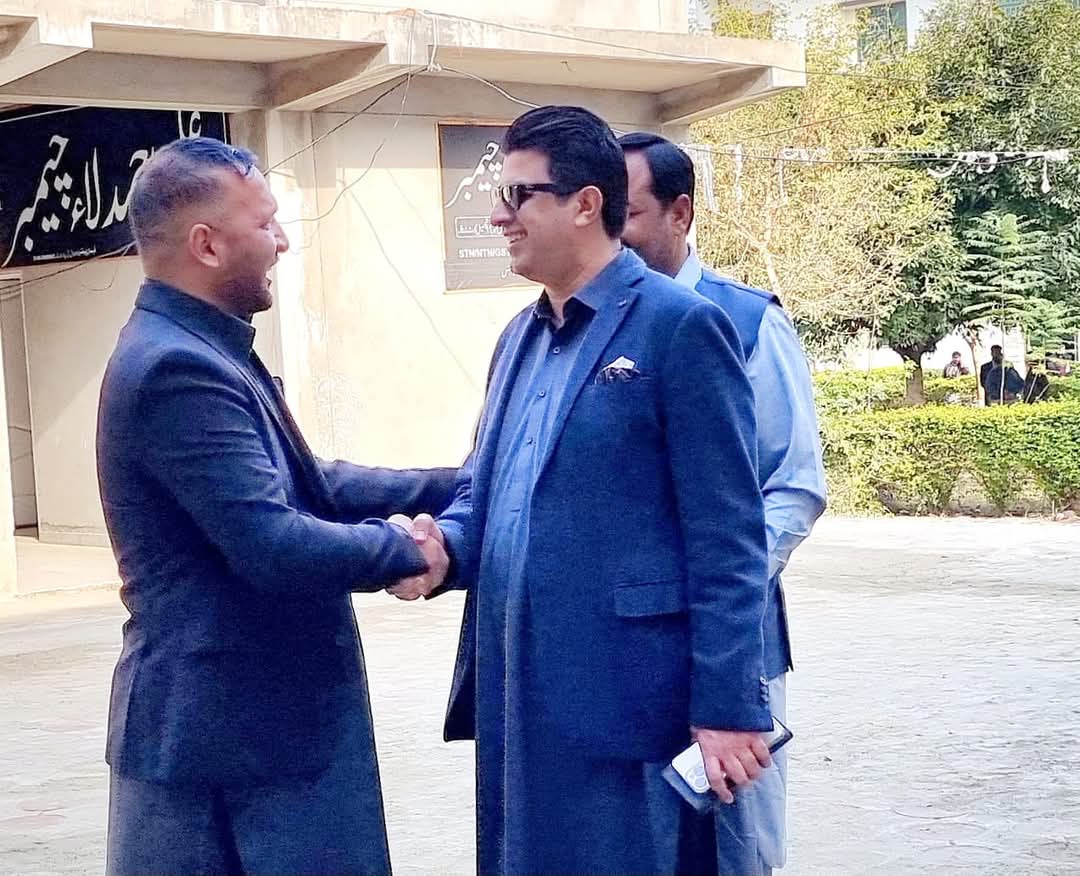
Raja Najabat Hussain, Chairman of the Jammu Kashmir Self-Determination Movement International, advocated consolidating prior gains and establishing a dedicated core group focused exclusively on Kashmir, free from personal agendas.
Human rights researcher Dr. Shagufta Ashraf described the Kashmir issue as possessing “double sanctity” under international law, referencing UN Charter provisions and human rights covenants. She proposed parallel tracks of state-level diplomacy and civil society activism, including systematic documentation and engagement with UN special rapporteurs and the Human Rights Council.

M. Haroon Abbas Qamar highlighted the critical role of documenting violations, while Ghazala Habib of Friends of Kashmir International advocated for a unified group committed solely to the cause. Owais Rajput suggested engaging European and American think tanks to counter prevailing narratives.
The discussion concluded with consensus on developing a refreshed long-term strategy, intensifying use of UN mechanisms, fostering diaspora networks, and prioritizing rigorous documentation to advance meaningful international intervention. Participants reaffirmed that progress demands unity, persistence, and proactive global engagement.