Ladakh stakeholders concerned over external monopoly over tourism
Civil society groups through resolution seek regulated outside investment

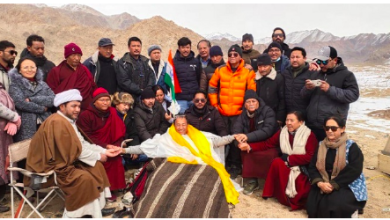
Leh: In Indian illegally occupied Jammu and Kashmir, stakeholders in Ladakh have voiced serious concerns over growing monopoly of Indians in the region’s tourism sector, warning that unregulated outside investment could threaten local livelihoods, fragile ecology, and the demographic balance.
According to Kashmir Media Service, representatives of Ladakh’s tourism sector and civil society groups adopted a joint resolution in Leh ahead of the upcoming tourist season, calling for strict regulation of external investment and prioritization of local ownership. The participants emphasized that Ladakh, as part of the disputed territory of Jammu and Kashmir, holds a sensitive socio-political and cultural position, where any unchecked external intervention could have far-reaching consequences.
The resolution, endorsed by a wide spectrum of trade bodies and civil society organizations, underlined that Ladakh’s tourism industry has evolved through sustained local efforts despite harsh climatic conditions and limited resources. It noted that the region’s economy heavily depends on tourism, which serves as a primary source of livelihood for the indigenous population.
However, stakeholders expressed alarm over increasing pressure from large external businesses seeking to dominate the tourism sector. They warned that such trends could marginalize local communities, undermine traditional economic structures, and lead to what observers describe as economic and demographic disempowerment of the region’s inhabitants.
The participants highlighted that Ladakh’s fragile ecosystem, characterized by a cold desert climate and limited natural resources, cannot sustain unregulated commercial expansion. They stressed that any development must align with the region’s environmental limitations and cultural heritage to avoid irreversible damage.
The resolution further emphasized that the entry of outside investors, if left unchecked, risks displacing local entrepreneurs, eroding indigenous livelihoods, and disturbing the socio-economic equilibrium. It called for policies ensuring that tourism-related activities remain primarily in the hands of local stakeholders, safeguarding their decision-making authority and economic rights.
Observers noted that the concerns raised by Ladakh’s stakeholders reflect a broader pattern in the region, where local populations remain wary of Modi government’s policies perceived as altering the demographic composition and weakening indigenous control over land and resources.