UN experts raise alarm over mass voter deletions targeting Muslims in India
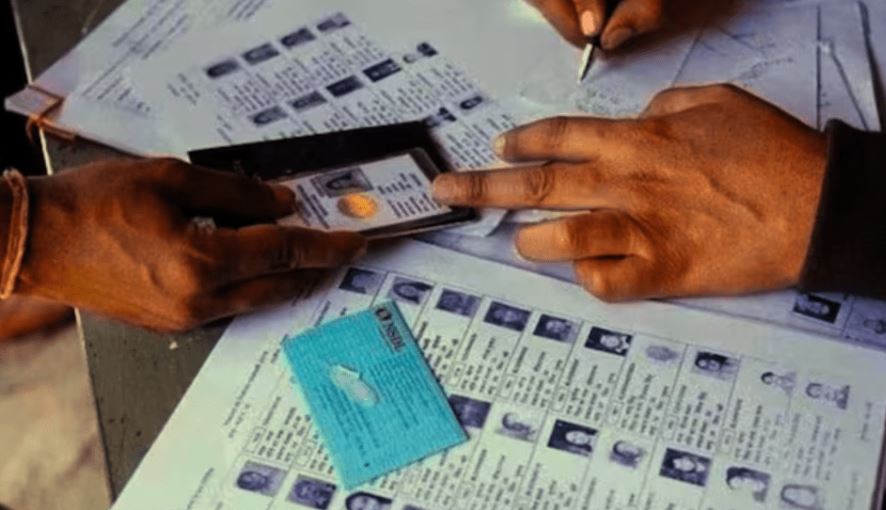
New Delhi: Three United Nations human rights experts have expressed grave concern over the mass deletion of voters from electoral rolls in India, warning that the exercise appears to have disproportionately targeted Muslims and other minorities and may constitute to serious violations of international human rights law.
According to Kashmir Media Service, in a formal communication to the Indian government dated 1 May 2026 and made public this week, Special Rapporteur on minority issues Nicolas Levrat, Special Rapporteur on the promotion and protection of the right to freedom of opinion and expression Irene Khan, and Special Rapporteur on freedom of religion or belief Nazila Ghanea, said approximately 52 million names had been removed across 12 Indain states and union territories through a “Special Intensive Revision” (SIR) process led by the Election Commission of India.
The experts noted that West Bengal was among the worst-affected states, with 9.1 million voters reportedly removed ahead of the Assembly elections held on April 23 and 29, 2026.
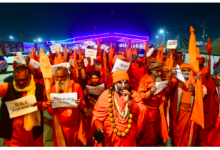
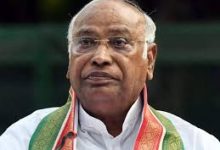
“Muslim voters were reportedly disproportionately impacted by the SIR process,” the experts said. They noted that in Nandigram constituency, 95 percent of the deleted voters were Muslims, despite Muslims constituting only 25 percent of the electorate.
The communication said many of those removed were Indian citizens possessing valid identity documents and alleged that minor spelling discrepancies in official records were used as a pretext to strike their names off the electoral rolls.
The UN experts also voiced concern over the reported use of an AI-driven system to identify alleged irregularities in voter data, warning that the process lacked transparency and raised serious concerns about errors and potential bias.
The experts further expressed alarm over statements by senior Indian officials, including the Home Minister, who reportedly portrayed the exercise as targeting “illegal Bangladeshi immigrants.” They said such rhetoric risked conflating Indian Muslim citizens with foreign nationals and could amount to incitement to discrimination under Article 20(2) of the International Covenant on Civil and Political Rights (ICCPR).
“It is reported that there has been repeated invocation of this framing by the highest levels of the executive, including the characterization of the SIR as a mechanism to ‘purify’ electoral rolls of infiltrators,” the communication stated.
The experts also cited the reported use of the slogan “Detect, Delete and Deport,” saying such rhetoric could reinforce discriminatory narratives by portraying Muslim citizens as presumptively foreign, criminal and undeserving of civic rights without any individualized legal determination.
Referring to the Supreme Court of India’s April 16, 2026 order allowing eligible voters in West Bengal to regain voting rights through appellate tribunals, the experts nevertheless expressed concern that more than 3.4 million appeals had placed an enormous burden on the tribunals. They warned that the extremely short timeframe appeared to have resulted in the exclusion of millions of eligible voters from the electoral process.
The UN experts reminded India of its obligations under the ICCPR, the International Convention on the Elimination of All Forms of Racial Discrimination (ICERD) and the 1992 UN Declaration on the Rights of Persons Belonging to National or Ethnic, Religious and Linguistic Minorities, emphasizing that the right to vote cannot be restricted on discriminatory grounds.
They have sought detailed information from the Indian government on the total number of voters removed, disaggregated by religion and ethnicity, as well as the safeguards adopted to prevent discrimination and provide effective remedies to those wrongfully excluded. The communication has been made public on the UN communications reporting website, and the Indian government has 60 days to submit its response.