India’s women’s rights claims at UN contradicted by ground reality: Report
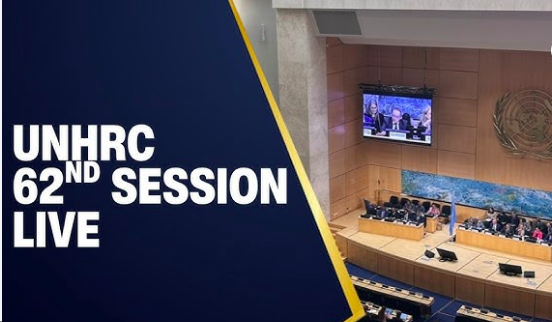 Islamabad: India’s claims of being a global champion of women’s rights, made during the recentstand in sharp contrast to the grim reality of persistent violence, discrimination and institutional failures faced by millions of women across the country, says a report.
According to Kashmir Media Service, at the UNHRC session, India projected itself as a defender of women’s rights, highlighting what it described as “robust legislative frameworks,” “safe workplaces” and “inclusive growth.” However, the report says these claims are undermined by India’s own official data and the continuing prevalence of gender-based violence and institutional failures that continue to endanger millions of Indian women.
The report cites the National Crime Records Bureau (NCRB) as saying that more than 441,000 crimes against women were registered in 2024, averaging over 1,200 cases every day. These included rape, domestic violence, sexual assault, dowry-related deaths, trafficking and other serious offences. It noted that women’s rights organizations believe the actual number of cases is significantly higher due to widespread underreporting.
The report said repeated incidents of sexual violence and delayed justice in states including Uttar Pradesh, Rajasthan, Madhya Pradesh, Haryana, Bihar, Odisha and West Bengal, as well as in Delhi, continue to expose systemic shortcomings in law enforcement and victim protection. It added that legal safeguards have repeatedly failed to ensure genuine security and justice for women.
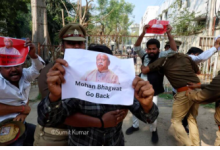

It further said that while New Delhi advocates gender equality at international forums, women in India continue to face gender-based violence, discrimination, trafficking, child marriage, caste-based sexual violence, workplace harassment and unequal access to justice, highlighting a widening gap between India’s international rhetoric and domestic reality.
The report also drew attention to India’s approach towards Afghanistan, where women and girls have faced severe restrictions on education, employment, freedom of movement and participation in public life since the Taliban returned to power in August 2021. It noted that despite repeated UN warnings over the deterioration of women’s rights in Afghanistan, India has continued diplomatic engagement and humanitarian assistance to the country.
While acknowledging that humanitarian assistance is intended for civilians and should not be equated with support for Taliban policies, the report argued that India’s public advocacy for women’s rights appears inconsistent with its continued engagement with the Taliban authorities without consistently pressing for the restoration of Afghan women’s fundamental rights.
The report concluded by saying that India cannot credibly present itself as a global defender of women’s rights while millions of women within the country continue to face pervasive violence and discrimination, and while its international engagement fails to consistently match the principles it proclaims on the UN stage. It saidDiplomatic speeches cannot erase documented realities, nor can carefully crafted narratives substitute for meaningful accountability and lasting protection of women’s rights.