Kashmiris face renewed harassment amid intensified raids as India opens decades-old cases
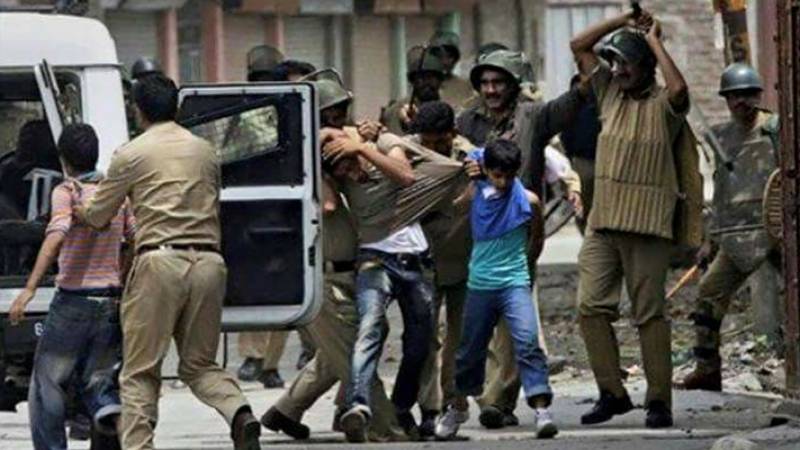
Srinagar: In Indian illegally occupied Jammu and Kashmir, Kashmiris continue to face renewed harassment and intimidation as Indian authorities reopen decades-old cases and intensify raids and investigations across the territory under various pretexts.
According to Kashmir Media Service, the State Investigation Agency (SIA) has accelerated investigations into several killings dating back more than three decades, with raids conducted at multiple locations and fresh scrutiny of families and individuals in connection with the cases.
The latest campaign follows the filing of a lengthy charge sheet in the 1990 killing of a nurse and raids conducted earlier this month in connection with the killings of Kashmiri Pandit writer Sarwanand Koul Premi and his son Virender Koul. The SIA conducted searches at several locations in Rajouri, Jammu and Baramulla.


The authorities have also reopened investigations into the killings of Judge Neelkanth Ganju and BJP leader Tika Lal Taploo, as well as the 1998 Wandhama killings of 23 Kashmiri Pandits.
The renewed investigations, after the passage of more than three decades, have raised concerns among Kashmiris over the continued use of old cases to subject people to searches, questioning, surveillance and arrests. The reopening of cases from the 1980s, 1990s and early 2000s has further added to the atmosphere of fear and uncertainty prevailing in the occupied territory.
The SIA has filed a 737-page charge sheet in nurse Sarla Bhat case, naming several Kashmiri political figures as accused. The agency has also intensified its investigation into the killing of Premi and his son.
The developments come amid continued use of draconian laws, raids, arrests and prolonged investigations against Kashmiris, particularly political activists and those accused of links with pro-freedom organizations.
The repeated reopening of old cases, often accompanied by high-profile raids and media campaigns, is being viewed as another means of maintaining pressure on the Kashmiri population and keeping them under constant scrutiny.