Blow to BJP’s anti-book policy as IIOJK court quashes scholar’s PSA detention
High Court says possession of books does not make Shafat Wani a criminal
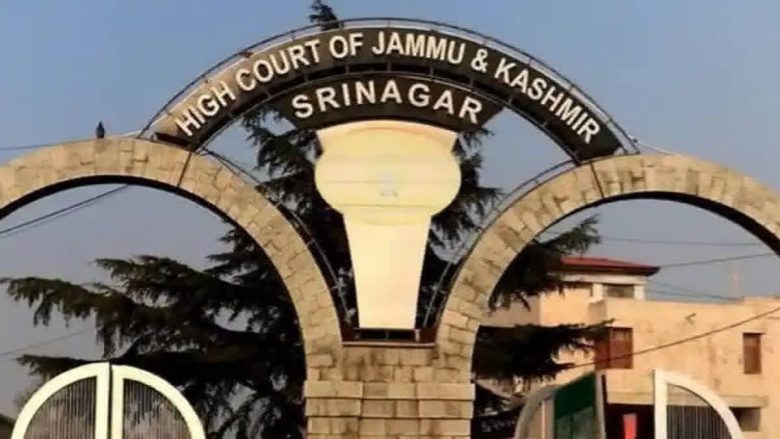 Srinagar: In a significant setback to the ruling Bharatiya Janata Party’s (BJP) anti-book and anti-knowledge policy in Indian illegally occupied Jammu and Kashmir, the High Court of the territory has quashed the draconian Public Safety Act (PSA) detention of a Kashmiri scholar, observing that mere possession of books does not make a person a criminal.
According to Kashmir Media Service, Justice Moksha Khajuria Kazmi, while quashing the detention order of Kupwara-based scholar Shafat Maqbool Wani, said the authorities had failed to establish any specific subversive or prejudicial activity warranting his preventive detention.
The court noted that the authorities had cited Wani’s father’s former links, his invitations to international academic conferences, an Unlawful Activities (Prevention) Act case in which he had already been granted bail, and books recovered from his possession as grounds for his detention.
The High Court observed that the authorities had not demonstrated any subversive activity by Wani that could justify preventive detention. It also found that the detaining authority had failed to properly apply its mind to whether any prejudicial activity actually warranted invoking the PSA.

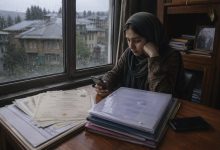
The court further rejected the authorities’ attempt to portray books found in Wani’s possession as evidence of anti-India activity, noting that some literature had wrongly been attributed to him as its author.
Justice Kazmi observed that, as an academic scholar, Wani was expected to possess a variety of literary material and that “a mere possession of the books with dispiriting titles” did not by itself make him a criminal requiring preventive detention.
The ruling assumes significance as it comes amid growing restrictions on books and academic material in IIOJK. In August last year, the Delhi-controlled administration banned 25 books, alleging that they promoted “secessionist sentiment and false narratives”, with most of the banned works relating to Kashmir’s history and politics.
The administration has also directed government and private schools, colleges, universities, coaching centres and public libraries to screen books and journals for allegedly “inappropriate or objectionable content”, raising concerns among academics, writers and civil-society voices over growing state control of knowledge and intellectual discourse.
The High Court ruling exposes the dangers of treating possession of books, academic participation and family background as grounds for criminalisation, and underscores the importance of due process and intellectual freedom.
The verdict is being seen as a setback to the BJP-led regime’s broader policy of restricting literature and academic discourse in IIOJK under the pretext of combating “anti-India” or “freedom” narratives.