UN HR system must be protected from financial paralysis: Masood Khan
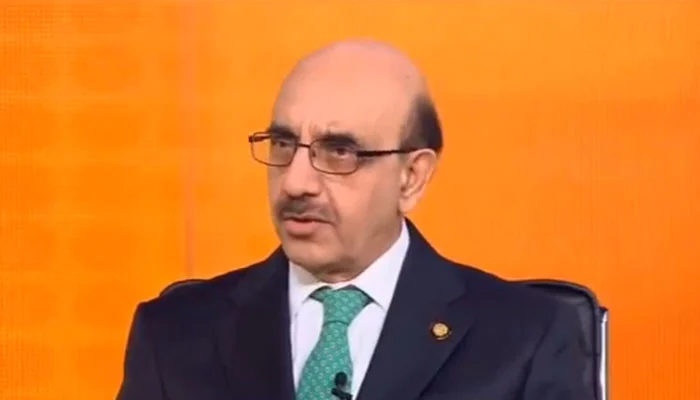
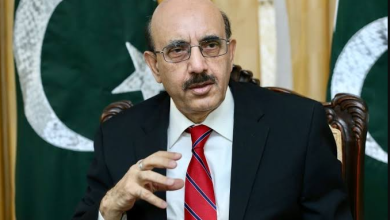
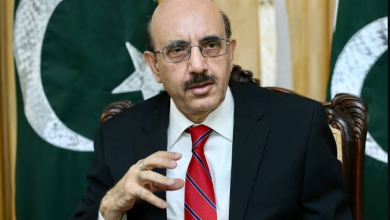
Geneva : Former president of Azad Jammu and Kashmir Sardar Masood Khan has said that the United Nations human rights system must be protected from financial paralysis and provided with sustainable and predictable resources to fulfill its vital mandate.
According to Kashmir Media Service, Sardar Masood Khan, addressing a discussion organised by the World Muslim Congress on “Funding the UN Human Rights System,” warned that drastic funding cuts were crippling human rights monitoring, investigations and the work of treaty bodies.
He said the United Nations’ financial crisis had reached an extremely concerning stage, with the Secretary-General warning of a “race to bankruptcy” and “imminent financial collapse”. He noted that the Office of the High Commissioner for Human Rights was operating in “survival mode” and had already reduced the number of human rights missions from 11,000 to 5,000.
He said human rights constitute one of the three pillars of the United Nations, alongside peace and security and development. Yet, in 2024, the human rights component received only 4.7 percent of the UN regular budget and less than one percent of its $68.3 billion income. “Continuing drastic cuts are crippling the human rights system,” he said.
Delhi court seeks NIA stand on conditional bail for Engineer Rashid
Sardar Masood Khan stressed that the system was indispensable for protecting the rights of the most vulnerable, marginalised and oppressed people, and that its weakening could compromise decades of institutional development and international human rights standards. He called upon all member states, particularly major contributors, to revisit policies that were defunding mandated human rights activities.
He said the existing system should certainly be streamlined, rationalised and subject to stronger oversight, but not at the expense of core human rights responsibilities. He also called for a better balance between regular and voluntary contributions, with voluntary funding preferably unearmarked or flexibly pooled.
Sardar Masood Khan said that selectivity and partiality in human rights action, particularly when decisions are influenced by geostrategic priorities, further erode the credibility of the system.
He highlighted Pakistan’s long-pending engagement with the Human Rights Council on Jammu and Kashmir and referred to reports by five UN Special Rapporteurs on the situation in Indian illegally occupied Jammu and Kashmir following the Pahalgam terrorist attack, including concerns over mass arrests, collective punishment, targeting of Muslims and the holding of the Indus Waters Treaty in abeyance.
He cautioned that such independent UN reporting could disappear if human rights activities were defunded, leaving the people of Indian Occupied Jammu and Kashmir without sustained international scrutiny.
“Human rights are universal. Their promotion and protection should be universal, too,” Sardar Masood Khan said, stressing that the institutions entrusted with this responsibility must have the resources necessary to fulfil their mandates.