Kashmiri delegation meets OIC Permanent Representative in Geneva, apprises him on IIOJK situation
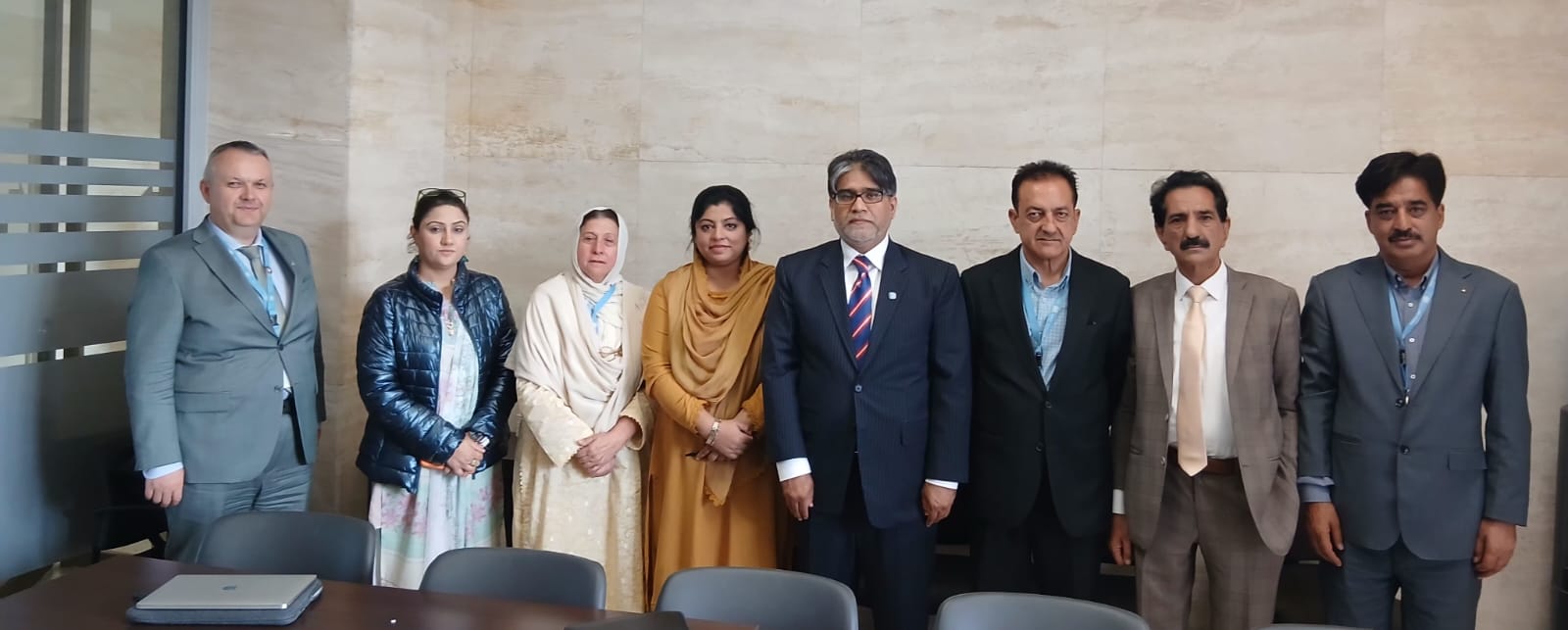
Geneva : Kashmiri delegation met Permanent Representative of the Organization of Islamic Cooperation (OIC) Saeed Sarwar in Geneva on the sidelines of the ongoing session of the United Nations Human Rights Council and apprised him on the prevailing political, human rights and social situation in Indian illegally occupied Jammu and Kashmir (IIOJK).
According to Kashmir Media Service, the delegation comprised Sardar Amjad Yusuf, Pervaiz Ahmed Advocate, Shamim Shawl, Dr Raja Muhammad Sajjad Khan, Dr Shugufta Ashraf, and Ms Mehr-un-Nisa.
The Kashmiri delegation appreciated the OIC’s continued support for the right to self-determination of the people of occupied Jammu and Kashmir and its role in highlighting the Kashmir issue at the international level. It stated that the Jammu and Kashmir dispute should be resolved in accordance with the relevant United Nations Security Council resolutions and the aspirations of the people of Jammu and Kashmir.
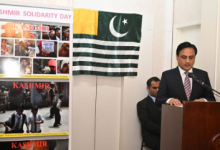

The delegation briefed the OIC Permanent Representative on political repression, prolonged detention of political leaders and activists, restrictions on civil liberties, and human rights concerns in Indian Occupied Jammu and Kashmir.
Jammu and Kashmir internationally recognized dispute: FO Spokesperson
The Kashmiri representatives particularly raised the cases of Hurriyat leaders Muhammad Yasin Malik, Aasiya Andrabi, Fehmeeda Sofi and Naheeda Nasreen, while also highlighting the detention of Musarat Alam Butt, Shabbir Shah, Nayeem Ahmad Khan and other Kashmiri political leaders and activists. The delegation called for ensuring fair trials, due process, legal rights and access to justice for detainees.
The delegation expressed concern over the constitutional, legal and administrative measures introduced since 5 August 2019. According to the delegates, these measures have affected the political empowerment of the people of Jammu and Kashmir and raised concerns regarding changes to the demographic structure of Indian Occupied Jammu and Kashmir.
The situation of half-widows was also discussed in particular. The delegation stated that women whose husbands have disappeared continue to face serious legal, economic and social difficulties, while their children also encounter challenges in accessing inheritance, property, identity documentation, employment and other fundamental rights.
The Kashmiri delegation urged the OIC to continue raising the situation in Indian illegally occupied Jammu and Kashmir before the United Nations Human Rights Council and other relevant international forums, and to support international monitoring and independent investigations into alleged human rights violations.
The delegation further called upon the OIC to strengthen its international advocacy for the rights of political prisoners, victims of enforced disappearances, half-widows and their children.
The Kashmiri delegation reaffirmed its commitment to pursuing the right to self-determination of the people of Kashmir through peaceful and diplomatic means and urged the international community to play its role in achieving a peaceful resolution of the longstanding Jammu and Kashmir dispute and protecting the fundamental rights of the Kashmiri people.