Masood urges Pakistan to leverage diplomacy through regional cooperation, economic strength
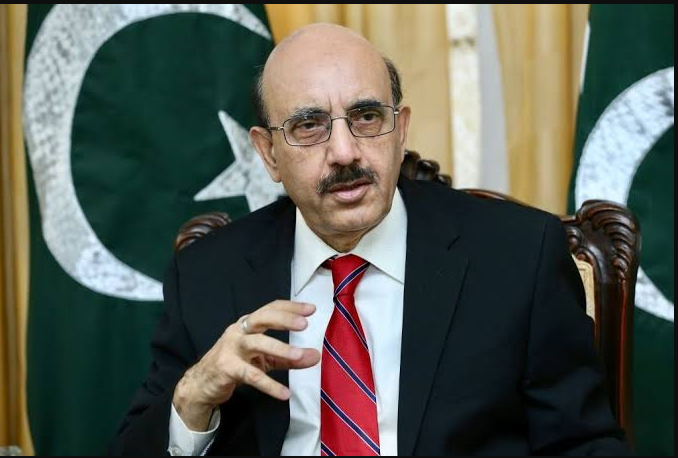
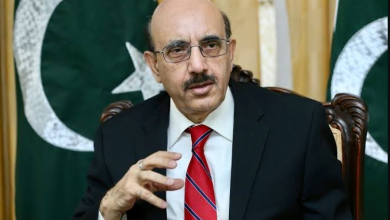
Islamabad: Pakistan’s growing diplomatic relevance and emerging defence partnerships should be complemented by economic development, regional cooperation and political unity to secure lasting peace and strengthen the country’s international standing, said Sardar Masood Khan, former President of Azad Jammu and Kashmir.
In a television interview, Sardar Masood Khan, who is also former Ambassador of Pakistan to the United States, China and the United Nations, discussed developments in India, the challenges facing its diverse federation, expanding cooperation among Muslim countries, and Pakistan’s evolving diplomatic and strategic role.
Commenting on India’s internal situation, he highlighted persistent insurgencies in its northeastern states, particularly Manipur, and expressed concern over identity-based tensions, alleged violations of rights and growing social divisions. He argued that religious polarisation and an increasingly exclusionary political environment were weakening India’s social cohesion. He also referred to strained relations between India and several neighbouring countries, including Bangladesh, Nepal, Sri Lanka, the Maldives and Pakistan.

Addressing reports of restrictions and alleged mistreatment of students and young demonstrators in India, Khan said that younger generations were demanding space for their ideas and aspirations. He stressed that governments should respond to dissent through democratic engagement rather than intimidation, warning that exclusionary policies could deepen public discontent.
Turning to regional security, Khan welcomed expanding defence cooperation involving Pakistan, Türkiye, Qatar and Indonesia, describing it as an important step towards greater self-reliance among Muslim countries. He highlighted opportunities for cooperation in defence production, intelligence sharing, military training and joint exercises. He said Pakistan and Türkiye, alongside Saudi Arabia and other partners, could help advance a broader framework for collective security.
Khan emphasised that such cooperation should extend beyond the Gulf to include countries such as Egypt, Kuwait, Bahrain, Malaysia and Brunei. He argued that Muslim states should gradually assume greater responsibility for their own defence while pursuing diplomacy to reduce regional tensions. He also stressed the importance of renewed negotiations between the United States and Iran and safeguarding maritime security in the Gulf.
Discussing Pakistan’s international standing, Khan credited the country’s political and military leadership with strengthening its engagement with major global powers. He underscored Pakistan’s mediation efforts in bringing the United States and Iran towards direct negotiations, calling for these diplomatic achievements to be documented and institutionalised through historians, writers and research institutions.
However, he cautioned that diplomatic and defence gains must translate into economic progress. He called for political unity, policy continuity, stronger industrial and agricultural infrastructure, and greater adoption of emerging technologies. Pakistan, he said, must expand trade with the Gulf, Central Asia, Türkiye and the wider Middle East to build economic influence alongside its strategic capabilities.