IIOJK trekkers protest construction near Sheshnag Lake, warn of ecological damage
Protesters demand immediate halt to excavation and road works in fragile Himalayan ecosystem
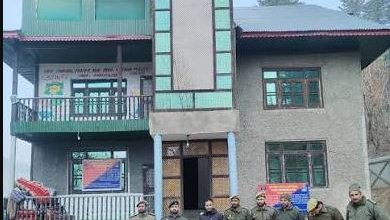
 Srinagar: Trekkers in Indian illegally occupied Jammu and Kashmir (IIOJK) staged a peaceful protest in Srinagar against road construction and excavation near Sheshnag Lake in the Pahalgam area of Islamabad district, amid growing concerns over the potential damage to the fragile Himalayan ecosystem.
The protesters, carrying placards, demanded an immediate halt to construction activities near the alpine lake, warning that excavation and the use of heavy machinery could cause serious and potentially irreversible damage to its delicate ecosystem and surrounding forests.
Heavy machinery sparks alarm
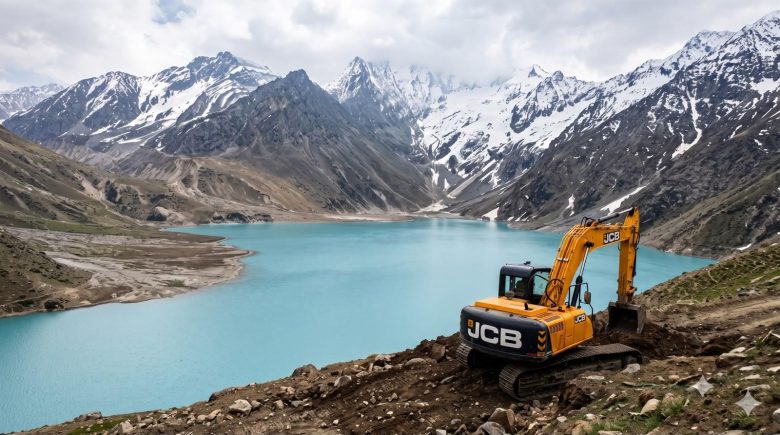
The protest followed the circulation of videos showing heavy machinery operating near Sheshnag Lake, triggering widespread concern among environmentalists, trekkers and political leaders over the ecological consequences of infrastructure development in the area. Several people described the activities as a threat to the region’s fragile natural environment.


The construction and track-improvement works are reportedly aimed at facilitating access for Hindu pilgrims undertaking the Amarnath Yatra. However, growing concerns have been raised over the environmental costs of such activities in ecologically sensitive areas of Kashmir.
The protesters urged the authorities to protect the region’s natural heritage and reconsider construction projects in environmentally fragile zones.
Kashmir’s fragile environment
The Kashmir Valley, situated at an average elevation of around 1,600 metres, is ecologically sensitive because of its fragile Himalayan mountain system, characterised by glaciers, alpine meadows, forests, wetlands and interconnected river systems. The region is particularly vulnerable to climate change, with rising temperatures accelerating glacial retreat, altering snowfall patterns and increasing the risks of flash floods and landslides.
Sheshnag Lake, situated at an altitude of around 3,590 metres (11,780 feet), lies along the traditional Pahalgam-Chandanwari-Amarnath pilgrimage route. It forms part of a fragile glacial ecosystem comprising high-altitude lakes and glaciers that feed the Lidder stream, an important tributary of the Jhelum River.
The lake, which remains snow-covered for much of the year, is among 14 high-risk glacial lakes identified in IIOJK for monitoring against potential glacial lake outburst flood (GLOF) hazards.
Warning against ecological destruction
Development at the cost of nature and the disruption of ecosystems is devastation. Kashmir is sitting on an ecological ticking time bomb that could explode at any moment, and we may have to pay a huge price for it in the near future. Pierces my heart💔 https://t.co/NlPlf5UozV
— Mr. Bisht (@_koshurhasa) November 22, 2026
Commenting on the footage of an excavator operating near the glacial lake, Bisht, who originally uploaded the video, warned against unchecked construction in ecologically fragile areas.
“Development at the cost of nature and the disruption of ecosystems is devastation. Kashmir is sitting on an ecological ticking time bomb that could explode at any moment, and we may have to pay a huge price for it in the near future,” he said.