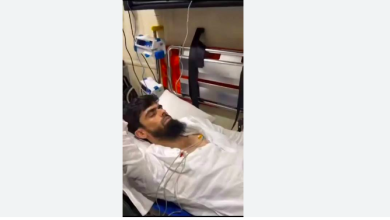
Probe ordered into Muslim man’s custodial death in Maharashtra jail after five years

Nashik: India’s National Human Rights Commission (NHRC) has initiated a “spot investigation” into the 2020 custodial death of 31-year-old inmate Asghar Ali Mansoori at Nashik Central Jail in Maharashtra, five years after The Wire first uncovered the case. Mansoori died inside the prison, and a note retrieved from his stomach identified five jail officials whom he accused of torture and harassment.
According to Kashmir Media Service, Mansoori reportedly swallowed the note, wrapped in a polythene bag, before hanging himself from a ceiling fan during the COVID-19 lockdown on October 7, 2020. The note was later recovered from his stomach during the post-mortem but was never treated as a dying declaration. Despite the serious allegations, Maharashtra Police failed to initiate a criminal inquiry against the named officials, some of whom have since been transferred or retired.
The NHRC’s decision follows two formal complaints lodged after The Wire’s detailed report on the case. NHRC Deputy Superintendent of Police Dushyant Singh, who is leading the visit, said the delay was due to “non-cooperation from the state authorities,” adding that the Commission still hasn’t received the mandatory magisterial inquiry report.


Mansoori had been working as a warder inside the prison. In his note, he alleged that jail officials identified as Baviskar, Chavan, Sarpade, Gite, and Karkar subjected him to prolonged torture and solitary confinement for nearly a year. His father, Mumtaz Ali, has consistently disputed the official version of events and accused authorities of a cover-up.
Following the death, six fellow inmates wrote to the Chief Justice of the Bombay High Court detailing the abuse of prisoners at Nashik Central Jail, but no action was taken. Human rights activists Sanjoy Hazarika and Dhana Kumar later petitioned the NHRC, pressing for a probe under the Protection of Human Rights Act.
Lawyer Vijay Hiremath, representing Mansoori’s family, said the state was legally bound under Section 176(1A) of the Code of Criminal Procedure to conduct a judicial magistrate inquiry into custodial deaths but failed to share the report with the family or the court.
Prisoners’ rights activist Wahid Shaikh said Mansoori’s death “was a clear case of custodial torture and institutional neglect.” He added that despite the suicide note directly naming his abusers, “no accountability has been fixed even after five years.”
Several inmates who corroborated Mansoori’s allegations later reported facing threats and physical abuse. One prisoner, who testified to the torture and named the same officials, was transferred to Nagpur Prison after being beaten.