 Islamabad: Pakistan’s Deputy Prime Minister and Foreign Minister Senator Ishaq Dar has warned that India is pursuing at least 17 projects aimed at drastically altering the Indus River system, cautioning that such measures could enable New Delhi to exercise “hydro-hegemony” in the region.
According to Kashmir Media Service, Ishaq Dar made these remarks in a recorded keynote address at a seminar titled “Transboundary Water Resources: A Weaponised Global Common,” jointly organised by Pakistan’s embassy in Brussels and the Centre for European Policy Studies.
He said responsible states resolve disputes within established legal frameworks rather than abandoning treaty obligations, referring to the Indus Waters Treaty (IWT) as a binding mechanism for peaceful resolution of water-related issues.
Dar said Pakistan had consistently raised concerns through the mechanisms provided under the agreement and had respected international decisions even when they fell short of its expectations.

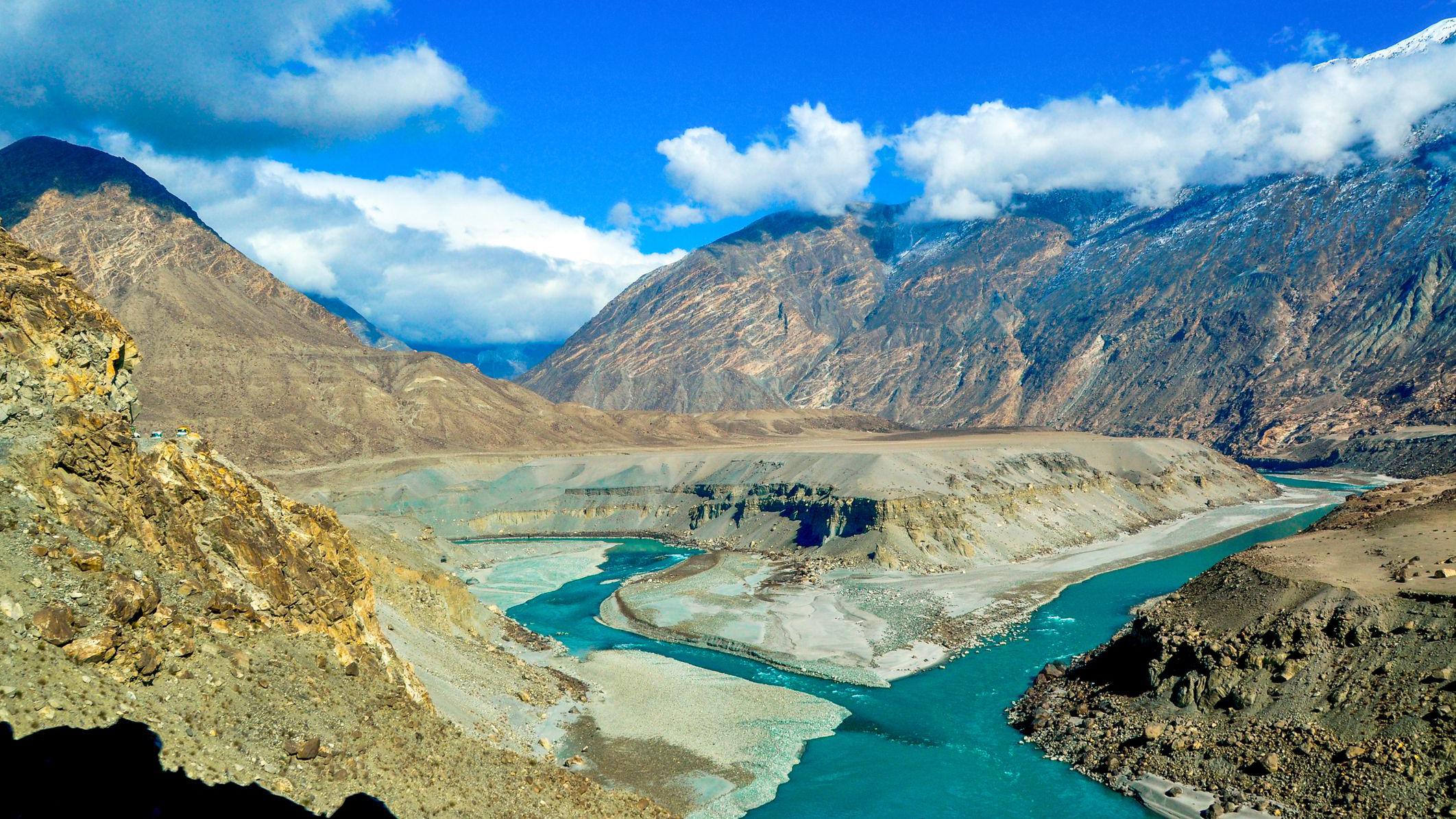
He noted Pakistan’s concerns were not based solely on rhetoric or political statements from India but on concrete actions that threatened the integrity of the river system. “These include projects to create reservoirs, expand existing structures and, most alarmingly, diversion projects on the Indus, Chenab and Ravi rivers,” he said. “In total, at least 17 such projects will drastically alter the river system as a whole, giving India the tools for hydro-hegemony that it so desires,” he added.
Dar warned that river systems were not merely waterways but lifelines that sustain millions of people and hold deep historical, cultural and economic significance.
He described India’s stated policy of restricting water flows as a potential humanitarian disaster, saying that depriving approximately 240 million people of their rightful access to water would amount to “a catastrophe in the making of unparalleled magnitude”. He stressed that water should never be weaponised or used as an instrument of political pressure.
Highlighting Pakistan’s commitment to international law, Dar reaffirmed that Islamabad remained dedicated to resolving all outstanding issues through dialogue, diplomacy and the mechanisms provided under existing treaties and legal frameworks.
He underscored the importance of preserving the sanctity of international agreements, describing respect for treaty obligations as the foundation of the global order.