Revelations of systemic corruption in Indian Army: From Kapurthala to Kolkata, scandals mount
New Delhi: Corruption scandals in the Indian Army have once again raised serious questions over national security, institutional integrity, and accountability within the country’s defence establishment.
According to Kashmir Media Service, recent cases including the Kapurthala recruitment scandal and bribery in procurement in Kolkata have exposed systemic lapses involving both military leadership and civilian oversight mechanisms. Between 2013 and 2021, the Indian Army alone accounted for 1,046 of the 1,080 corruption cases registered across the armed forces, representing a staggering 97 percent. More than 1,800 corruption cases were recorded across India’s armed forces between 2000 and 2023, reflecting what observers describe a deep-rooted institutional crisis.
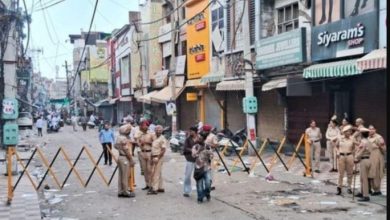
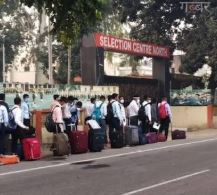
The Indian Army has initiated court martial proceedings against a Major General, who previously commanded the Service Selection Centre and was attached to Headquarters Delhi Area, and around 20 other officers, including retired personnel, in connection with the Kapurthala recruitment bribery scandal. The scandal, exposed by the Central Bureau of Investigation (CBI) in March 2021, was operating at the Service Selection Centre (SSC) in Kapurthala district, Punjab. Investigations by the CBI revealed the existence of bribery network involving military personnel and civilian accomplices, through which candidates declared unfit on medical grounds were cleared via fraudulent review medical boards. Bribes ranging from INR 50,000 to INR10 lakh were reportedly collected from each candidate.


The CBI had registered a case against 23 accused, including 17 serving army personnel (five Lieutenant Colonels, one Major, and one Lieutenant) as well as several civilians, and conducted raids at 30 locations across 13 cities, recovering key evidence including digital records, UPI transactions, and funds transferred into family accounts. On 14 June 2026, the final day of his service, the Major General was brought under Section 123 of the Army Act, enabling court martial proceedings even after retirement. Approximately 20 officers were attached to various formations for disciplinary proceedings.
In another case, the CBI in May, this year, arrested Colonel Himanshu Bali of the Army Ordnance Corps on allegations of receiving INR 50 lakh in bribes from a Kanpur-based defence supplier company, M/s Eastern Global Limited. Investigations revealed that between March and April this year, he allegedly manipulated tenders, approved substandard samples, and cleared inflated bills. The transactions reportedly took place in Kolkata’s Park Street area, while the money was routed through Delhi-NCR. Five other individuals have also been named in the case.
In August 2025, Colonel Vikas Pandey, former Commanding Officer of 503 ASC Battalion under 3 Infantry Division in Ladakh was tried by a Summary General Court Martial (SGCM) in Chandigarh. He was found guilty on all seven counts of fraud and corruption and sentenced to six years of rigorous imprisonment along with dismissal from service. He illegally siphoned more than INR 63 lakh through a regimental fund account in a private bank in Leh and acquired disproportionate assets, including a flat in Jaipur and a BMW registered in his wife’s name.
In Meerut, a Colonel and a Lieutenant Colonel of the Army’s Electronics and Mechanical Engineers Battalion are facing court martial proceedings over irregularities exceeding INR 2 crore in defence procurement. The Colonel has been charged with 12 offences, including five under the Prevention of Corruption Act. Although he challenged the proceedings before the Armed Forces Tribunal and the Delhi High Court, the court allowed the disciplinary process to continue.
These incidents are not isolated incidents. Between 2008 and 2011, the Sukhna land scam implicated senior officers, including Lieutenant General P.K. Rath and Lieutenant General Avadesh Prakash, were accused of facilitating the transfer or leasing of approximately 70–71 acres of land adjacent to military installations (Chumta Tea Estate) to a private developer for a commercial and educational project worth hundreds of crores of rupees. Similarly, the Adarsh Housing Society scam in Mumbai saw a 31-storey building originally intended for Kargil War widows and defence personnel was allegedly appropriated by influential individuals. The names of two former Army Chiefs, General N.C. Vij and General Deepak Kapoor, along with Lieutenant Generals Tejinder Singh, G.S. Sihota, Shantanu Choudhary, and Major Generals A.R. Kumar, V.S. Yadava, R.K. Hooda, and T.K. Kaul, surfaced during investigations concerning land allocation irregularities, zoning modifications, and Floor Space Index (FSI) violations.
Experts say corruption in recruitment and procurement directly undermines military professionalism and national security. They argue that without strict institutional reforms, digital transparency, and independent oversight, such practices will continue to erode the system from within. The repeated failures of civilian leadership in the Ministry of Defence and successive governments have further intensified concerns over accountability and governance.