India mobilizes massive resources for Amarnath Yatra while denying Kashmiri Muslims religious freedoms
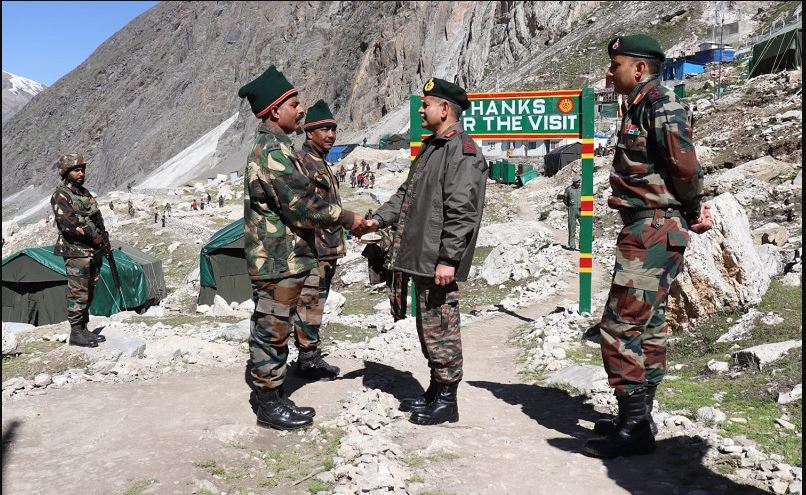
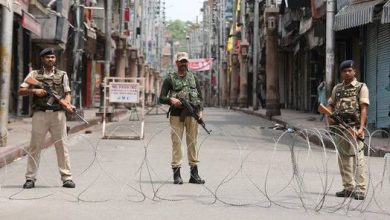
Srinagar: In Indian illegally occupied Jammu and Kashmir (IIOJK), the Indian authorities are making elaborate arrangements for the annual Amarnath Yatra. Under the guise of ensuring security for the Hindu pilgrimage, hundreds of additional paramilitary companies have been deployed across the occupied territory.
According to Kashmir Media Service, the 57-day pilgrimage is scheduled to commence on July 3 via the twin routes of Pahalgam in Islamabad district and Baltal in Ganderbal district of the occupied Kashmir Valley. It will conclude on August 28.
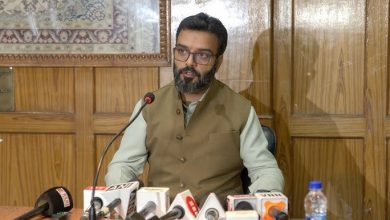
Inspector General of Police for Kashmir Zone, VK Birdi, has directed forces’ personnel to remain on high alert and maintain a high level of operational readiness to ensure the smooth conduct of the Yatra. While chairing a briefing of zonal and sector officers deployed for the Yatra, Birdi reviewed security arrangements, coordination mechanisms and preparedness along the pilgrimage routes.

The IGP stressed the need for the highest standards of professionalism and vigilance throughout the pilgrimage period and instructed officers to be fully prepared to deal with any security or logistical challenges. He also called for regular briefings of field personnel to ensure effective coordination, continuous monitoring and seamless communication at all levels of deployment. He further directed officers and personnel to provide all possible assistance to the pilgrims and ensure their safety, convenience and well-being.
Notably, official figures from previous years indicate that the annual Amarnath Yatra attracts between 350,000 and 500,000 pilgrims.
While India mobilizes extensive resources and security infrastructure for the Hindu pilgrimage, life has been made difficult for Kashmiri Muslims in their own homeland. They continue to be deprived of their fundamental and religious rights. Srinagar’s historic Jamia Masjid is frequently sealed on Fridays, preventing worshippers from offering congregational prayers. For the past eight years, occupation authorities have also bared Eid prayers at Jamia Masjid and Eidgah in Srinagar.
In addition, major Muharram processions continue to face restrictions in the occupied territory. Critics argue that the contrast between the extensive facilitation of the Amarnath Yatra and the curbs imposed on Muslim religious practices highlights a pattern of discrimination against the Muslim majority in IIOJK.
Environmental concerns have also been raised, as the annual influx of hundreds of thousands of Hindu pilgrims is widely believed to place considerable pressure on the fragile ecosystem of the occupied Kashmir Valley.