Modi govt weaponising water disputes to divide states, say critics
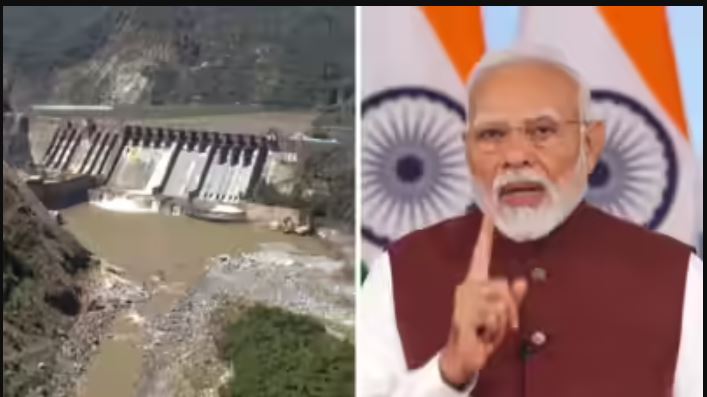
New Delhi: The Modi-led Indian government has come under sharp criticism for systematically weaponising inter-state river water disputes as a political tool to divide opposition-ruled states and strengthen its own hold on power, following a classic “divide and rule” strategy.
According to political observers and critics, New Delhi is not only using water as a weapon against Pakistan through the suspension of the Indus Waters Treaty, but is also actively manipulating internal river disputes within India to serve its electoral interests.
The ongoing Cauvery dispute between Karnataka and Tamil Nadu is a glaring example of this dangerous game. While the Congress government in Karnataka, led by DK Shivakumar, is aggressively pushing the Mekedatu balancing reservoir project to meet Bengaluru’s drinking water and hydropower needs, the Tamil Nadu Assembly, under a TVK-led coalition, unanimously passed a resolution on June 19, 2026, strongly opposing the project.

Tamil Nadu claims it violates the 2007 Cauvery Tribunal Award and the 2018 Supreme Court verdict.
Critics allege that the Centre is deliberately delaying or selectively handling clearances through the Central Water Commission and environmental bodies, keeping both states in a state of permanent tension. By neither rejecting Karnataka’s Detailed Project Report outright nor facilitating a genuine, lasting consensus, the Modi government is allegedly fanning regional anxieties — upper riparian fears in Karnataka versus downstream survival concerns in Tamil Nadu.
This manufactured conflict serves multiple purposes for the BJP: it weakens opposition-ruled states, distracts public attention from governance failures, and allows the Centre to project itself as the ultimate arbiter during election times. Such cynical politics not only exacerbates farmer distress in both states but also deepens dangerous linguistic and regional divides, severely undermining the spirit of cooperative federalism.
Water, a precious life-sustaining resource, is being turned into a tool for electoral engineering and political blackmail.
Analysts warn that this internal weaponisation of water is as damaging to Indian states as New Delhi’s external posturing against Pakistan.
True and lasting resolution of such disputes demands impartial enforcement of judicial awards and tribunal decisions, rather than continued political manipulation and gamesmanship by the Modi regime.