Pakistan’s Basmati GI recognition in Türkiye exposes India’s hypocrisy
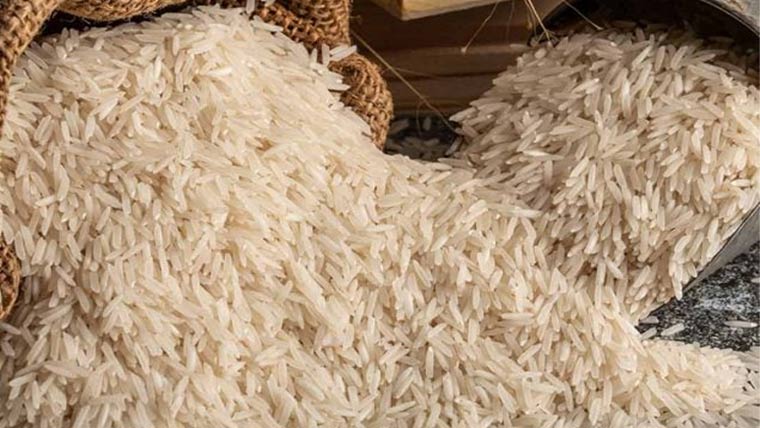
Islamabad: In a decisive setback to India’s expansionist campaign to monopolize Pakistan’s agricultural heritage, Pakistan successfully secured Geographical Indication (GI) recognition for Basmati rice in Türkiye in May 2026.
According to Kashmir Media Service, this achievement came after India’s April 2023 application to the Turkish Patent Office, in which it sought to claim exclusive rights over an agricultural product that is intrinsically linked to Pakistan’s geographical region.
Pakistan’s timely response, including engaging legal experts through the Trade Development Authority of Pakistan (TDAP), mobilizing exporters and utilizing the 18,000-ton Tariff Rate Quota (TRQ), produced tangible results, including initial orders from Türkiye’s leading retailer M/S A-101 and promotional activities in Ankara.


India’s attempts to undermine Pakistan in this case reflect a broader pattern of pressure tactics employed to secure exclusive Basmati GI recognition in other countries.
In the European Union, India applied in 2018 for exclusive Protected Geographical Indication (PGI) rights for Basmati rice, which Pakistan formally challenged through the EU’s legal procedures.
Similar disputed claims have also arisen regarding Himalayan Pink Salt, where India has been accused of marketing products originating from Pakistan as its own, raising concerns over the commercial and cultural attribution of such products.
These actions are presented as part of a broader pattern of economic competition and historical narrative disputes aimed at strengthening India’s position in global markets while diminishing Pakistan’s role.
Pakistan’s success in securing GI recognition for Basmati in Türkiye is not only a significant commercial achievement but is also portrayed as a strategic setback to India’s efforts to establish exclusive recognition over the product.
The development highlights the importance of Pakistan continuing to contest disputed GI claims internationally while maximizing the benefits of available trade quotas and export opportunities.