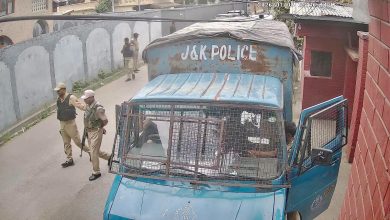
Amarnath Yatra traffic restrictions deal severe blow to Kashmir Valley’s fruit growers
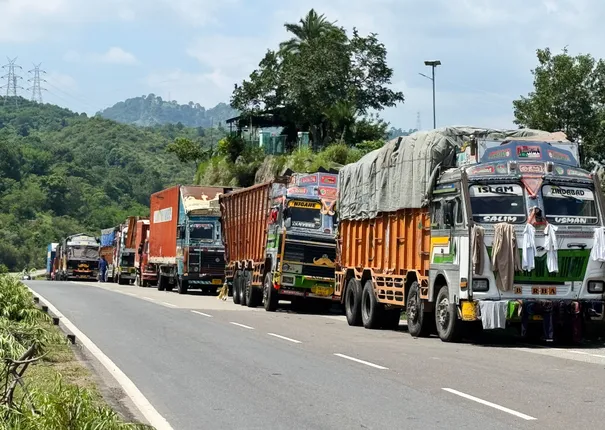
Srinagar: In Indian illegally occupied Jammu and Kashmir, the curtailment of civilian traffic on the Srinagar-Jammu Highway due to the heavily militarized annual Amarnath Yatra is severely affecting the Valley’s horticulture sector, with growers warning of heavy financial losses because of delays in transporting perishable produce.
According to Kashmir Media Service, a delegation of the Kashmir Valley Fruit Growers-cum-Dealers Union (KVFGU) met Inspector General of Police (Traffic) M. Suleman Choudhary in Srinagar and urged the authorities to ensure the smooth and uninterrupted movement of fruit-laden trucks during the pilgrimage. Led by KVFGU Chairman Bashir Ahmad Basheer, the delegation included Fayaz Ahmad Malik, President Fruit Association Sopore; Mudasir Ahmad Bhat, President Buyers-Sellers Association Sopore; Mohammad Ashraf, President Fruit Association Shopian; Nazir Ahmad Mir, General Secretary Fruit Association Shopian; Abdul Majeed Wani, General Secretary Fruit Association Pulwama; and Ali Mohammad Reshi, Chairman, Fruit Transport Association, Parimpora.
The delegation informed the traffic authorities that the ongoing one-way traffic arrangements imposed on the Srinagar-Jammu Highway for Amarnath Yatra convoys were severely disrupting the transportation of seasonal fruits, including plums, early varieties of apples and pears, to markets across India.


The growers said the fruits are highly perishable and even a single day’s delay in transportation could result in substantial damage and heavy financial losses. They pointed out that the horticulture sector had already suffered significant setbacks this season due to adverse weather conditions and natural calamities.
While reiterating their support for the annual Amarnath Yatra, the delegation appealed to the authorities to facilitate the movement of fruit-laden trucks, including allowing them to ply during convoy operations to prevent further losses to growers.
The delegation also stressed the need to ensure the smooth movement of trucks carrying fruits, vegetables and other essential commodities into the occupied territory to maintain uninterrupted supply chains.
Political and trade observers said the prolonged restrictions on civilian traffic during the annual Hindu pilgrimage continue to disrupt normal life and economic activity in the occupied territory. They noted that the horticulture sector, the backbone of Kashmir’s economy and the primary source of livelihood for hundreds of thousands of families, is bearing the brunt of the traffic restrictions imposed during the Yatra.