KIIR urges new OIC Secretary General to prioritize human rights crisis in IIOJK
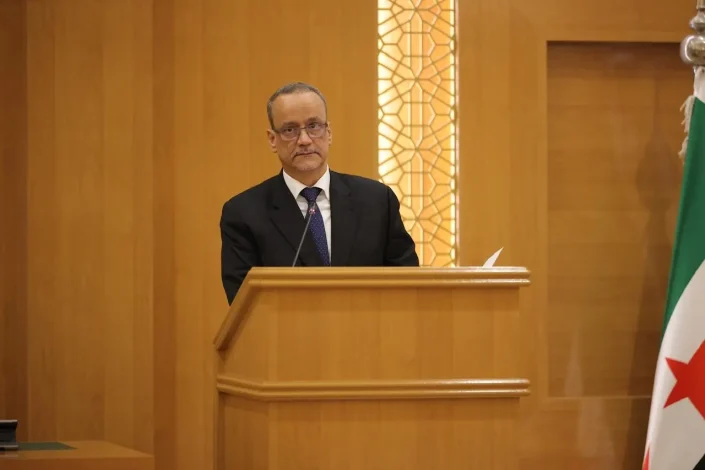
Islamabad: The Kashmir Institute of International Relations (KIIR) has issued a formal appeal to the newly elected Secretary General of the Organization of Islamic Cooperation (OIC), Ismail Ould Cheikh Ahmed, calling for urgent and decisive action to address the deteriorating humanitarian and political situation in Indian illegally occupied Jammu and Kashmir (IIOJK).
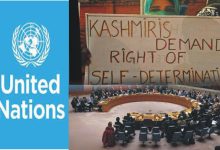
According to Kashmir Media Service, in a comprehensive letter addressed to OIC Secretary General Ismail Ould Cheikh Ahmed, KIIR congratulated him on his assumption of office, emphasizing that the OIC remains the “moral and political sanctuary” for oppressed Muslim populations worldwide. However, the Institute highlighted that the Kashmir dispute remains one of the longest-standing unresolved issues on the international agenda, citing the continued denial of the Kashmiri people’s inalienable right to self-determination guaranteed by multiple UN Security Council resolutions.
The appeal specifically draws attention to the “catastrophic” aftermath of the August 5, 2019, unilateral actions by the Indian government, which saw the abrogation of Articles 370 and 35-A. KIIR asserted that these actions have led to a systematic campaign of “settler-colonialism” through demographic engineering and changes to land laws aimed at altering the Muslim-majority character of the territory.
The KIIR letter highlights several critical concerns, including:
Systemic repression: The continued use of draconian laws, including AFSPA, PSA and UAPA, to detain thousands of civilians, including minors, without trial.
Political incarceration: The mass imprisonment of veteran political leaders, human rights defenders, journalists and students.
Information blackouts: The imposition of some of the world’s longest internet shutdowns and the criminalization of independent journalism.
Human rights violations: Documented extrajudicial killings and torture, as corroborated by OHCHR reports and the OIC’s own Independent Permanent Human Rights Commission (IPHRC).
In light of these crises, the Kashmir Institute of International Relations urged the OIC General Secretariat to:
1. Reaffirm the OIC’s principled support for the right to self-determination.
2. Convene an urgent meeting of the OIC Contact Group on Jammu and Kashmir.
3. Demand the unconditional release of all political prisoners and activists.
4. Call for the repeal of oppressive security laws and an end to military impunity.
5. Reverse the unilateral demographic and land-law changes implemented since 2019.
6. Dispatch an OIC/IPHRC fact-finding mission to the region.
7. Intensify diplomatic pressure at the UN Human Rights Council and the UN General Assembly.
“The people of Jammu and Kashmir have never abandoned hope in the Muslim Ummah,” said Altaf Hussain Wani, Chairman of KIIR. “At this critical juncture, the leadership of the OIC can be the difference between continued oblivion and the dawn of justice.”
The Kashmir Institute of International Relations pledged its full cooperation and documentation support to the General Secretariat and the OIC Special Representative to ensure that the Kashmiri cause remains a priority on the global stage.