Indian forces arrest ten Kashmiri youth during operations in IIOJK
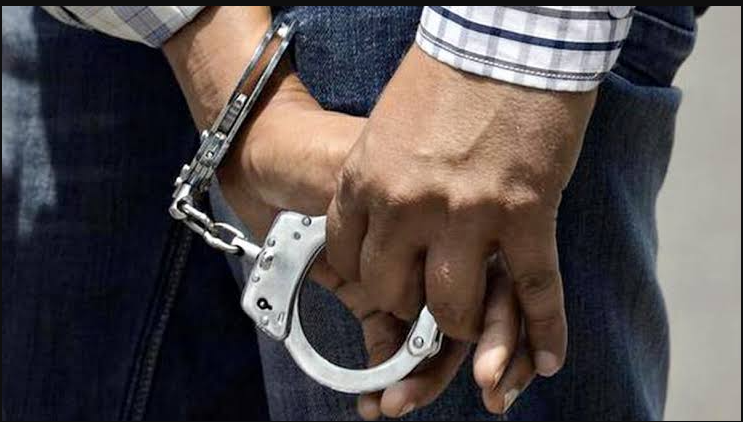
Srinagar: Indian forces have arrested ten Kashmiri youth on allegations of involvement in pro-freedom activities in Shopian district and other areas of Indian illegally occupied Jammu and Kashmir.
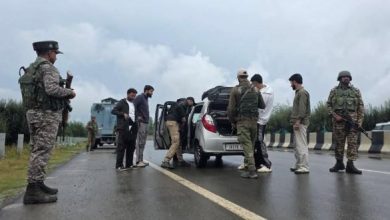
Indian police arrested the youth during cordon-and-search operations and house raids in Shopian, Pulwama and Kathua districts. The youth were identified as Owais Shafi Naikoo, Tajamul Ahmad Shah, Moiz Iqbal, Imdad Yousuf Ganie, Saqib Zahoor Wani, Liyaqat Nazir Lone, Aamir Ahmad Ganie, Firdous Thokar, Mohammad Hanif and Kaju.
Police in a statement issued on Friday claimed that the arrests were made in connection with an investigation into suspected financial networks allegedly linked to militant activities.


According to the police statement, investigators analysed suspicious online transactions conducted through various payment platforms and traced financial trails across multiple layers. The funds were allegedly being used to purchase smart phones, while further investigations are under way to identify additional financial links, establish the alleged involvement of other individuals and determine the wider reach of the suspected network. Police also claimed that more arrests could follow.
Broader strategy to suppress political dissent
The continued arrests of Kashmiri youth, women and elderly people, alongside frequent cordon-and-search operations, house raids and detentions, reflect the intensifying crackdown by Indian forces and authorities in the occupied territory. Such measures, particularly arrests under stringent laws, have created an atmosphere of fear and uncertainty among the local population. These actions are also viewed by the people as part of a broader strategy to suppress political dissent, weaken the pro-freedom camp and silence voices demanding an end to Indian occupation, protection of their identity and fundamental rights, and the implementation of United Nations resolutions on the Kashmir dispute.
June 19, 2018 marked another turning point in IIOJK’s political history
The political developments following the collapse of the PDP-BJP coalition government on June 19, 2018, marked another turning point in IIOJK’s political history. The Bharatiya Janata Party (BJP) withdrew its support from the government led by then Chief Minister Mehbooba Mufti, leading to her resignation and the imposition of Governor’s rule. Subsequently, on August 5, 2019, the BJP-led Indian government revoked IIOJK’s special constitutional status by abrogating Article 370 and scrapping Article 35A. It also divided the erstwhile state into two union territories, Jammu and Kashmir and Ladakh, fulfilling a longstanding ideological agenda of the RSS-BJP establishment.
Since then, the Indian government, through the Lieutenant Governor-led administration, has tightened its control over the political, administrative and security affairs of the occupied territory. The continued use of black laws, arrests, raids and restrictions has further intensified concerns about the erosion of civil liberties and political freedoms in IIOJK.
Kashmiri people to determine their political future
The people of occupied Jammu and Kashmir and their pro-freedom leadership continue to demand the settlement of the internationally recognised Kashmir dispute in accordance with relevant United Nations Security Council resolutions, which provide for a free and impartial plebiscite enabling the Kashmiri people to determine their political future through the exercise of their inalienable right to self-determination.