Adani Group, OpIndia again on RSF’s 2026 ‘Press Freedom Predators’ list
Watchdog flags legal harassment of journalists and online smear campaigns; India ranks 157th among 180 countries
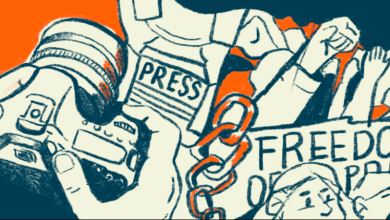
Paris: India’s Adani Group and Hindutva-aligned media outlet OpIndia have been named among the “Press Freedom Predators” for the second consecutive year by Reporters Without Borders (RSF), which says they are using legal harassment and digital attacks to intimidate journalists and undermine independent media.
According to Kashmir Media Service, RSF released its 2026 list ahead of the International Day to End Impunity for Crimes against Journalists on November 2, identifying 33 individuals and entities worldwide accused of suppressing press freedom through various means.
The Adani Group has been placed in the “Legal” category for subjecting journalists to judicial harassment through defamation cases and other legal proceedings. RSF said the conglomerate and its subsidiaries had initiated around 10 legal actions against more than 15 journalists and media outlets since 2017, describing the practice as a systematic use of “gag suits” to silence critical reporting.
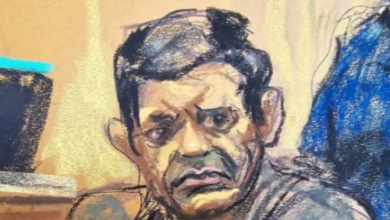
The organisation cited 11 ongoing civil and criminal proceedings against journalists in India over their coverage of the Adani Group and its subsidiaries. It also highlighted the arrest and week-long detention of investigative journalist Ravi Nair in September in a criminal defamation case filed by the conglomerate. Nair, who was later released on bail, is facing three defamation cases over his reporting and social media posts concerning the group.
RSF said the Adani Group was among corporate entities using legal proceedings to intimidate journalists and obstruct critical reporting, warning that such practices threaten independent journalism.
It is worth noting that Indian Prime Minister Narendra Modi shares close and mutually beneficial ties with Gautam Adani and the Adani Group. Critics have repeatedly said that the business tycoon and his conglomerate have received favourable political and economic treatment under Modi’s government.
OpIndia, meanwhile, has been included in the “Social” category for smearing journalists and fostering public distrust of independent media through online attacks and disinformation.
RSF described the Hindutva-aligned outlet as a key player in campaigns targeting critical journalists, saying it routinely portrays independent media as part of a “liberal media cartel” and labels journalists as “propagandists”, members of a “Soros ecosystem” or an “anti-India lobby”.
According to RSF, OpIndia shared 1,674 posts hostile to journalists and media outlets on X over 47 days between April and May 2026. The organisation said its publications frequently triggered online harassment campaigns against targeted journalists.
RSF cited the case of Helle Lyng, a journalist with Norway’s Dagsavisen, who criticised Indian Prime Minister Narendra Modi for refusing to take questions from journalists during his visit to Oslo. In May, OpIndia reportedly portrayed her as a “Chinese propaganda agent” who had asked “loaded questions”, a profile RSF said helped fuel a large-scale online hate campaign against her.
The press freedom watchdog also noted that more than 300 articles targeting journalists had appeared on OpIndia between 2023 and 2025, many of which contributed to online harassment campaigns. Among its frequently targeted journalists were Rajdeep Sardesai, Arfa Khanum Sherwani, Mohammed Zubair, Mahesh Langa, Ravish Kumar, Rana Ayyub and Prabir Purkayastha.
RSF Editorial Director Anne Bocandé described OpIndia as “a central cog in the systematic harassment of journalists in India” and called on Indian authorities to investigate cyberharassment campaigns linked to its publications.
The watchdog said its “Press Freedom Predators” list highlights individuals and entities responsible for attacks on journalists through political, security, economic, legal and social means.
India ranked 157th out of 180 countries in RSF’s 2026 World Press Freedom Index, dropping six places from the previous year, reflecting what the organisation described as a deteriorating environment for independent journalism.