Indian illegally occupied Jammu and Kashmir (IIOJK): Cultural Identity, Religious Rights and Political Transformation under BJP Rule
Raies Mir
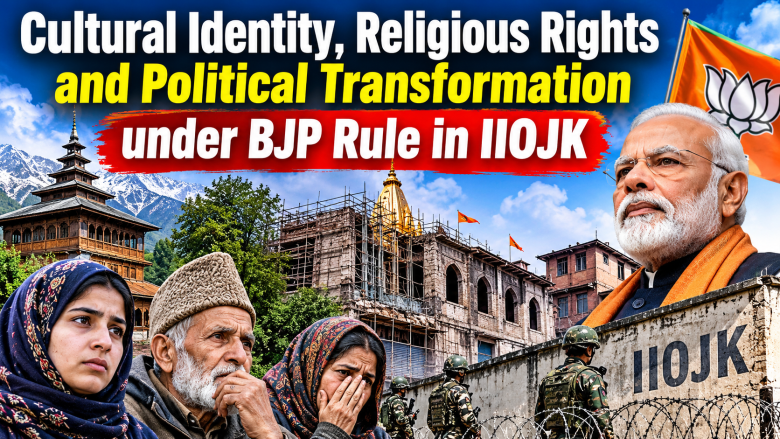
An examination of institutional change, cultural policy, religious concerns and the changing social landscape
Introduction: The Changing Political and Cultural Landscape
The political transformation of Indian illegally occupied Jammu and Kashmir (IIOJK) following the abrogation of Articles 370 and 35A in August 2019 has fundamentally altered the region’s political and administrative arrangements. These changes have intensified debate over political autonomy, constitutional identity, religious and cultural traditions, democratic representation and the region’s relationship with the Indian Union. Following the constitutional changes, IIOJK was reorganised into two Union Territories: Jammu and Kashmir, and Ladakh.
The Indian government has defended these measures on grounds including national integration, development, security and administrative efficiency. Critics,—including sections of Kashmiri civil society, political leadership and human-rights advocates—have questioned their implications for democratic representation, local self-government and the preservation of Kashmir’s distinct cultural identity.
Since 2019, organizations associated with the Rashtriya Swayamsevak Sangh (RSS) and its wider ideological network have become increasingly visible in public life in IIOJK, particularly in the Kashmir Valley. More recently, the Bharatiya Mazdoor Sangh (BMS), an RSS-affiliated trade union, established a permanent office in Barsoo village of Pulwama district in south Kashmir. The BMS unit in Kashmir is headed by Sameer Kuchay, a local. At the same time, RSS-linked groups and entities, such as the Jammu and Kashmir Development Foundation and Al Rahim Trust held public conferences in Srinagar under the banner of AslukAalav, bringing together trade representatives, youth, religious figures and civil society members. Senior RSS leaders like Ram Lal have publicly advocated cultural togetherness, and pertinent to mention that Mukesh Lokesh serves as the RSS State Pracharak for Jammu and Kashmir.
Several developments warrant closer examination in this context, including cow-protection organizations and treatment of Muslim traders and pastoral communities; the implementation of transgender welfare policies; LGBTQIA+ advocacy and related social debates; liquor licensing; changes to school curricula and the representation of Kashmiri history; government-sponsored cultural programmes; language policy; Waqf administration; and the impact of security arrangements on civilian life.
These issues should be examined through official documents, local reporting, community testimony, court records and independent human-rights assessments. Their implications should be assessed individually rather than treated as isolated incidents or assumed to have same purpose or impact.
- Cow-Protection Organizations and Vigilantism
Cow-protection organisations, commonly known as Gau Raksha groups, have become a contentious issue in debates over communal relations, minority rights and public security in parts of Jammu and Kashmir.
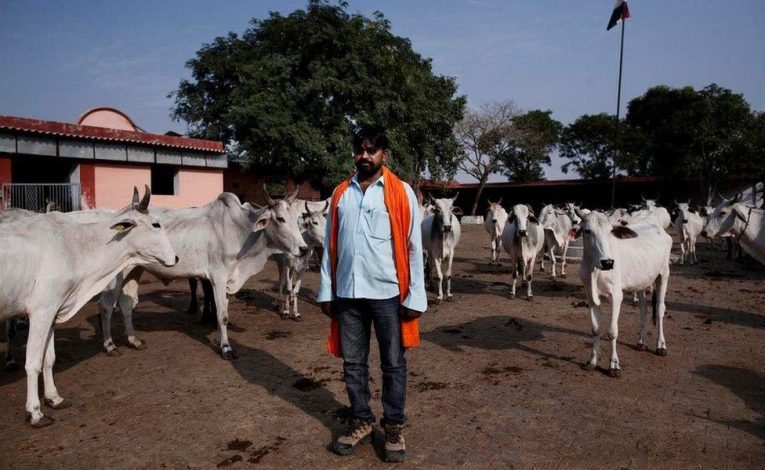
The Gau Rakshak Dal operates in the Jammu and Kashmir region, particularly in districts such as Kathua and Udhampur under the state leadership of figures like Hindutva Sunny Hindustani. The regional unit is connected to the Indian Bhartiya Gau Raksha Dal (BGRD). Other registered entity in Jammu and Kashmir is Gau Raksha Samiti.
The activities of BGRD and other cow-protection groups in IIOJK, as well as their perceived links with the wider ideological and political networks of the Bharatiya Janata Party (BJP) and the RSS, have become a subject of concern and debate. These organizations generally campaign on issues relating to cattle protection, transportation and slaughter. However, their organizational structures, local activities, registration status, funding and links with national-level bodies require closer examination.
Concerns Raised by Affected Communities
Muslim traders, dairy farmers and Gujjar and Bakerwal pastoral families have raised concerns about intimidation and interference with lawful cattle transportation and livestock-related trade. They have pointed to incidents of violence, harassment and economic pressure, arguing that such practices disproportionately affect Muslim communities.
The main concerns raised include:
- Intimidation and harassment of Muslim cattle traders and dairy farmers.
- Threats and physical assaults against Gujjar and Bakerwal families transporting livestock.
- Obstruction of lawful cattle transportation and interference with livestock-related activities.
- Financial losses resulting from the obstruction, confiscation or damage of livestock.
- Communal profiling of individuals engaged in legitimate agricultural and livestock-related activities.
State Accountability and the Rule of Law
No private organisation or individual has the authority to exercise police powers, conduct searches, seize property or punish alleged offenders outside the framework of the law. Animal-protection legislation must be enforced exclusively by authorized agencies and in accordance with due process.
A central question is whether the administration is adequately protecting citizens from intimidation and violence by non-state actors. This includes examining whether complaints are registered promptly, investigations are conducted impartially and those responsible are held accountable, regardless of their political or organizational affiliations.
Critics argue that selective enforcement, weak investigations and inadequate prosecution can undermine public confidence in the rule of law and leave vulnerable communities exposed to intimidation.
Political and Ideological Connections
The relationship between cow-protection organisations, Hindutva networks, the RSS and the BJP deserves careful examination. Critics contend that the growing influence of religious-nationalist organizations can contribute to an environment in which religious minorities feel increasingly vulnerable.
The key issue is whether cow-protection activities are being conducted strictly within the constitutional framework of equality, public safety and religious freedom, or whether some groups are engaging in activities that undermine these principles.
- Transgender Rights and Welfare: Policy, Representation and Community Concerns
The establishment of transgender welfare institutions in Jammu and Kashmir has generated debate about minority rights, social policy, religious values, administrative priorities and the practical delivery of public services.
On 12 July 2022, the Jammu and Kashmir administration constituted a 13-member Transgender Welfare Board, chaired by the Chief Secretary. The board was intended to protect the rights of transgender people and facilitate their access to government welfare schemes, healthcare and other administrative services under the applicable legal and policy framework, including the Transgender Persons (Protection of Rights) Rules, 2020.
However, the establishment of a welfare board does not, in itself, demonstrate that its intended beneficiaries are receiving meaningful assistance. Its performance should be assessed in terms of the practical benefits delivered, the resources allocated and the participation of transgender people in decisions affecting their lives.
Implementation and Community Representation
The effectiveness of transgender welfare policies should be evaluated through several key questions:
- Are transgender individuals receiving accessible and affordable healthcare?
- Are adequate housing, education and employment opportunities available?
- Is effective protection provided against discrimination, violence and social exclusion?
- Are representatives of the transgender community meaningfully involved in policy formulation and implementation?
- Have dedicated financial resources been allocated to welfare programmes?
- Are healthcare, insurance and social-security provisions reaching intended beneficiaries across the territory?
Kashmiri society approaches questions concerning gender identity and sexuality through a range of religious, cultural and social perspectives. These differences can generate debate over public policy, religious values and the boundaries of state intervention.
- LGBTIQ+ Advocacy and the “Love Is Not Haram” Debate
The growing visibility of LGBTIQ [Lesbian, Gay, Bisexual, Trans, Intersex, and Queer] + organizations and activists has introduced another dimension into discussions about religious identity, social conservatism, individual rights and cultural change in IIOJK. The Sonzal Welfare Trust, founded by Aijaz Ahmad Bund, has emerged as a platform advocating for LGBTIQ+ individuals in Kashmir. The organization was reportedly registered in 2017, while its founder is said to have been involved in community advocacy since 2011.
Its activities include raising awareness about LGBTIQ+ identities, supporting individuals facing discrimination and providing opportunities for members of the community to share their experiences.
The “Love Is Not Haram” Campaign
The phrase “Love Is Not Haram” has become associated with efforts to promote acceptance of LGBTIQ+ individuals and to explore the relationship between personal identity, relationships and religious faith. The campaign, linked in public discussion to the Sonzal Welfare Trust, has generated debate over the place of such advocacy in a society where Islam plays a central role in public and private life. Queer rights platforms like the Sonzal Welfare Trust are seen by many as a cultural attack in the name of LGBTIQ+individulas.
Critics of the government’s broader cultural and social policies question whether the promotion and institutional support of such initiatives adequately reflect the region’s religious, cultural and social sensitivities. Some may interpret the growing visibility of LGBTIQ+ advocacy as part of a wider cultural transformation imposed on a Muslim-majority region without sufficient public consultation.
Transgender Welfare: Policy and Community Concerns
The establishment of a Transgender Welfare Board in Jammu and Kashmir has also prompted debate about the government’s approach to social policy and the protection of vulnerable groups. The administration constituted a 13-member board headed by the Chief Secretary, following the legal recognition of transgender persons as a distinct gender category.
However, the establishment of the board does not, by itself, demonstrate that the needs of transgender people are being adequately addressed. Local transgender representatives have criticized legislative and administrative measures, including provisions discussed in connection with the Transgender Persons (Protection of Rights) Amendment Bill, arguing that formal recognition has not translated into sufficient practical support.
Their demands include access to health insurance, dedicated housing, healthcare facilities and appropriate arrangements for burial. These concerns raise questions about the effectiveness of welfare policies, the availability of public resources and the extent to which affected communities are consulted in decision-making.
Critics of the government’s wider cultural policies may also question whether such initiatives are being introduced with adequate consideration of Kashmir’s social and religious context. At the same time, the assessment of welfare measures should distinguish between policy debates and the legitimate need to protect individuals from discrimination and ensure access to essential services.
Religious Identity and Social Disagreement
Islam has a significant influence on Kashmiri family life, social institutions, cultural practices and public morality. Consequently, LGBTIQ+ advocacy can generate disagreement among religious scholars, families, community organisations and activists. These differences reflect wider debates about religious values, individual rights, social responsibilities and the role of the state in shaping public policy.
A balanced examination of the issue should consider the concerns of religious and community representatives alongside the experiences and rights of transgender and LGBTIQ+ individuals. It should also establish whether government policies have been developed through meaningful consultation with local communities or primarily through administrative decisions.
Cultural Change or Protection of Vulnerable Citizens?
The central question is whether these initiatives represent an administrative effort to protect vulnerable citizens, a broader shift in social policy, or a cultural transformation that has not received adequate public consultation. Addressing this question requires an examination of official policies, budgetary allocations, the actual delivery of welfare services, community participation and the views of religious and civil-society representatives.
The distinction between protecting individual rights and promoting a particular social or cultural outlook is important to this debate. Any assessment should be based on documented policies and their implementation rather than assumptions about the motives of organizations or individuals.
- Liquor Licensing and the Expansion of Wine Shops in Jammu and Kashmir
The availability and regulation of alcohol in a predominantly Muslim society raise important questions concerning public policy, religious sensitivities, commercial licensing, public health and the priorities of the administration. The issue has become particularly contentious in Kashmir, where alcohol consumption is prohibited under mainstream Islamic teachings and society regard the expansion of liquor sales as inconsistent with local religious and cultural values.

Government-authorised Liquor Licensing
The Jammu and Kashmir Excise Department operates a formal licensing system for the manufacture, distribution and sale of alcoholic beverages. Under the Excise Policy 2025–26, notified on 15 February 2025, a total of 305 retail liquor outlets under the JKEL-2 category were put up for e-auction. The department stated that the number of these outlets had remained unchanged since 2023–24, with 291 in the Jammu division and 14 in the Kashmir division.
The policy also contains provisions allowing liquor outlets to be established in tourist destinations and areas with tourism potential. It further provides for successful bidders who cannot secure suitable private premises to approach district authorities for government land, where temporary structures may be established at reasonable rent.
The policy says that an outlet should preferably be located at least 50 metres from a recognised educational institution or religious place. These provisions warrant examination in light of the region’s religious and social sensitivities.
Liquor Outlets and Public Concerns in Kashmir
The presence and operation of liquor shops in Kashmir have prompted objections from local population, religious representatives and community groups. Critics question why commercial liquor outlets are being permitted in a Muslim-majority region despite the religious objections of residents.
The debate is not limited to the number of licensed outlets. It also concerns their locations, the process through which premises are approved, the provision of public or government land, and the extent to which local communities are consulted.
Religious Sensitivities and Public-Policy Questions
Alcohol consumption is prohibited under mainstream Islamic teachings. Consequently, the licensing and operation of commercial liquor outlets in Muslim-majority communities raise questions about the relationship between government policy and local religious and cultural preferences.
Critics have raised several concerns:
- Whether local religious leaders and community representatives are adequately consulted before licensing decisions are made.
- Whether liquor outlets are located near educational institutions, residential neighbourhoods or religious places, and whether prescribed distance requirements are observed.
- Whether licensing decisions sufficiently consider the religious, social and cultural sensitivities of local residents.
- Whether the administration gives greater priority to excise revenue than to public-health and social concerns.
- Whether adequate facilities and support systems are available to address alcohol dependency and its consequences for individuals and families.
These questions call for transparency in licensing decisions, public disclosure of outlet locations and effective enforcement of applicable regulations.
Deliberate Cultural Interference
Local residents interpret the continuation and promotion of liquor as an attempt to undermine the Kashmir’s Muslim religious and cultural identity. They argue that facilitating the commercial availability of alcohol in a predominantly Muslim society, without adequate consultation with local communities, reflects insensitivity towards their religious values.
They further said that the BJP-led Indian government, armed forces, security agencies and other state institutions are deliberately encouraging alcohol consumption to weaken Islamic practices and influence the region’s social character.
The issue therefore deserves scrutiny not only in terms of the number of licensed outlets but also through an examination of licensing decisions, the use of public land, the role of government departments, compliance with location requirements and the views of affected communities. The central question is whether the administration’s excise policy adequately accommodates the religious and cultural concerns of the local population.
- School Curricula, Kashmiri History and Academic Freedom
Education plays a central role in preserving cultural identity, transmitting historical knowledge and shaping the perspectives of future generations. Changes to school textbooks, historical narratives and educational priorities therefore warrant close scrutiny, particularly in a region with a distinct history, language, religious heritage and political experience such as Jammu and Kashmir.
Critics of the post-2019 educational changes argue that the growing alignment of the region’s curriculum with India’s educational frameworks has marginalised aspects of Kashmiri history, particularly the historical experiences and contributions of its Muslim population. They contend that greater emphasis on India’s national historical and cultural narratives, alongside the promotion of Hindu cultural traditions through educational and extracurricular programmes, risks weakening the region’s distinct cultural identity.
Curriculum Restructuring after 2019
Following the reorganisation of Jammu and Kashmir, educational authorities moved towards greater alignment with the framework of India’s National Council of Educational Research and Training (NCERT). The Jammu and Kashmir Board of School Education announced the implementation of rationalised textbooks and syllabi for Classes 9 to 12 from the 2023–24 academic session, citing the National Education Policy 2020 and the objective of reducing academic content.
Earlier revisions had also introduced material concerning the Jammu and Kashmir Reorganisation Act and the constitutional changes of August 2019. These developments have raised questions about how the region’s political history and constitutional status are presented to students.
Critics argue that the restructuring of educational content should not result in the marginalisation of Kashmir’s regional history, Muslim heritage, language, literature and political movements. They also question whether the growing emphasis on national narratives is accompanied by adequate representation of the region’s own historical experiences.
Inclusion of Article 370 in Textbooks
In April 2024, reports indicated that NCERT textbooks for Classes 11 and 12 had incorporated references to the abrogation of Article 370. The inclusion of the constitutional changes in school textbooks reflects their incorporation into the national educational narrative.
Book Bans and Restrictions on Academic Freedom
Concerns about the representation of Kashmir’s history have extended beyond school curricula to restrictions on books, scholarship and independent research. The Jammu and Kashmir administration, operating under the federally appointed Lieutenant Governor, ordered the forfeiture of 25 books dealing with Kashmir’s history, politics and conflict. The decision triggered criticism from academics, writers, human-rights advocates and political representatives, who viewed it as an attempt to restrict dissenting historical and political perspectives. Critics argue that the sweeping bans are designed to rewrite regional history and suppress descriptions of human rights abuses following the 2019 revocation of Kashmir’s special status.
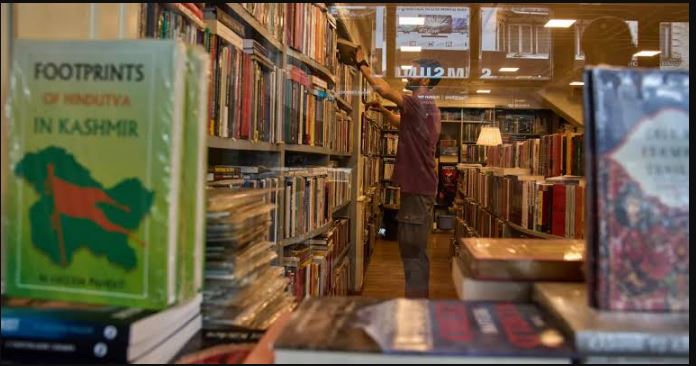
The list included works by established regional and international authors, among them:
- Azadi by Booker Prize-winning author Arundhati Roy.
- A Dismantled State: The Untold Story of Kashmir After Article 370 by Anuradha Bhasin.
- Resisting Disappearance by Ather Zia.
- Colonizing Kashmir: State-Building Under Indian Occupation by Hafsa Kanjwal.
- The Kashmir Dispute by constitutional expert A.G. Noorani.
- Kashmir at the Crossroads by political scientist Sumantra Bose.
- Works by historians and researchers Christopher Snedden and Victoria Schofield.
Critics argue that the inclusion of works by established scholars and writers raises serious questions about the criteria used to determine which publications may circulate. They maintain that restrictions on books dealing with political dissent, human-rights violations and Kashmir’s contested history can narrow the space for independent academic inquiry.
The action was also accompanied by police searches and raids at several locations, including bookstores, to seize the prohibited publications. Such enforcement measures have heightened concerns among writers, students, researchers and booksellers about the consequences of possessing or distributing material that has been banned.
Earlier Restrictions on Islamic Literature
The action against the 25 books was not the first reported restriction on publications in Kashmir. In January, police raided several bookstores and seized more than 650 books as part of a separate crackdown involving Islamic literature. Many of the publications were authored by Abul A’laMaududi, the twentieth-century Islamic scholar and founder of Jamaat-e-Islami.
The restrictions prompted further debate about the treatment of Islamic scholarship and religious literature in the region. Critics questioned whether the measures were proportionate and whether the authorities were applying consistent standards to publications representing different ideological and religious viewpoints.
The two sets of restrictions—those involving Islamic literature and those targeting books on Kashmir’s political history—should be examined separately in terms of their legal orders, stated grounds and enforcement. Taken together, however, they have contributed to wider concerns about access to literature, freedom of expression and the space available for independent intellectual activity.
Criticism of the Book Ban
The ban drew criticism from authors and researchers whose works were among the publications targeted. Piotr Balcerowicz, co-author of Human Rights Violations in Kashmir, told The Diplomat that the restrictions reflected an attempt by the state to exercise greater control over the circulation of information.
He argued that banning books was intended to establish control over public knowledge and described the approach as creating a “monolith of propaganda”. Comparing the restrictions to the dystopian political system portrayed in George Orwell’s Nineteen Eighty-Four, Balcerowicz warned that the measures represented a step towards an authoritarian state and did not serve India’s interests.
Anuradha Bhasin, author of A Dismantled State: The Untold Story of Kashmir After Article 370, also criticised the decision. She described it as an attempt to control information and silence voices questioning the government’s account of developments in Kashmir. Referring to the restrictions on independent journalism and publications, she remarked: “First, they came for journalism, now it’s books.”
Bhasin further questioned the apparent inconsistency in allowing publications associated with extremist Hindu supremacist ideology to circulate while prohibiting books by established authors and researchers. She described the ban as “whimsical, bizarre, and absurd” and warned that it could deepen an existing atmosphere of fear and discourage people from reading, writing and conducting research.
Hafsa Kanjwal, author of Colonizing Kashmir: State-Building Under Indian Occupation, told The Diplomat that restrictions on knowledge and independent scholarship had intensified since 2019. She argued that the ban was part of a wider pattern of restrictions affecting human-rights defenders, journalists, civil-society activists and other independent voices.
Kanjwal maintained that the authorities appeared determined to restrict narratives that challenged the official account of normalcy and India’s position on Kashmir. She also argued that banning books would not erase the region’s history or its political aspirations, although it could create greater fear and uncertainty among readers and researchers.
Concerns about the Historical Representation of Kashmir
Beyond textbook revisions and book bans, a broader question concerns the place of Kashmiri history and Muslim heritage within the educational system. Critics and sections of the academic community argue that regional history should not be reduced to a narrow national narrative or treated as a peripheral subject.
Areas requiring adequate representation include:
Kashmiri Muslim history: The historical development of Muslim society, its institutions and its contributions to the region.
Islamic scholarship and Sufi traditions: The contributions of Islamic scholars, Sufi figures, religious institutions and centres of learning.
Language and literature: The development of Kashmiri language, poetry, literature and oral traditions.
Dogra rule: The political and social conditions under Dogra rule, including discrimination, autocratic governance and restrictions on the population.
The events of 1931: Their historical background, political significance and consequences for the region.
Political movements: The evolution of political movements, competing constitutional positions and demands for self-determination.
Historical scholarship: The contributions of Kashmiri Muslim scholars, historians and researchers, alongside those of other regional and international historians.
A balanced curriculum should reflect the historical experiences and contributions of all communities in Jammu and Kashmir. The objective should be to provide students with a comprehensive understanding of the region’s past rather than privileging one cultural or political perspective.
Ideological Influence and Historical Distortion
The growing alignment of educational content with national frameworks has raised concerns among Kashmiri society about the possible influence of Hindutva ideology on educational institutions. Critics argue that the promotion of selected historical narratives and cultural programmes, particularly when accompanied by the marginalisation of regional perspectives, contribute to the gradual erosion of Kashmir’s distinct cultural identity.
These concerns should be assessed through a systematic comparison of successive textbook editions, an examination of deleted and newly introduced passages, and an evaluation of the historical perspectives represented in school curricula and extracurricular activities. The nature, frequency and content of cultural programmesorganised in educational institutions also deserve scrutiny, particularly where questions arise about the promotion of particular religious or ideological traditions.
The issue is not whether Hindu history and culture should be taught in schools. The central concern is whether Kashmiri Muslim history, regional experiences and the contributions of other communities receive equally serious, accurate and academically balanced treatment.
Ultimately, educational policy should promote historical understanding, intellectual diversity and academic freedom. Students in Jammu and Kashmir should have access to their region’s full historical record, including its religious heritage, political developments, cultural achievements and contested experiences. Any restructuring that excludes significant parts of this history risks leaving future generations with an incomplete understanding of their own society.
- Cultural Programmes, Religious Identity and Representation
Cultural programmes, public celebrations, educational activities and government-sponsored events have become another important area of debate in IIOJK. The nature, content and representation of these activities raise questions about cultural diversity, religious identity, historical heritage and the relationship between regional traditions and the wider Indian national narrative.
Promotion of Indian Hindu Cultural Programmes
Government departments, educational institutions and public organisationsorganiseprogrammes relating to Indian festivals, historical personalities, religious and cultural traditions, yoga, sports, tourism and other public activities. These events are generally presented by their organisers as efforts to promote national integration, encourage public participation, preserve cultural traditions and facilitate cultural exchange.
However, critics question whether government-sponsored programmes adequately reflect the cultural diversity and distinct historical identity of Jammu and Kashmir, a Muslim-majority region and a disputed territory.
Representation of Kashmiri Muslim Culture and Religious Identity
Kashmir possesses a distinctive cultural heritage shaped by Islamic scholarship, Sufi traditions, Kashmiri language and literature, religious institutions, architecture, traditional crafts and centuries of social interaction. These traditions have played a significant role in shaping the region’s collective identity.
Critics of the BJP-led Indian government’s policies and the ideological influence of the RSS argue that administrative and cultural initiatives introduced after 2019 have raised concerns about the autonomy and representation of Kashmiri Muslim institutions and traditions.
Two issues have particularly attracted criticism:
Waqf administration and religious autonomy: Proposals and administrative initiatives concerning the management of mosques and religious institutions by the Jammu and Kashmir Waqf Board, headed by BJP leader Darakhshan Andrabi, have prompted objections from religious and political leadership. Reports and public statements concerning the proposed standardisation or introduction of uniform Friday sermons have raised questions about the extent of state involvement in religious affairs. Critics view such measures as potential interference in the religious autonomy and traditional practices of Kashmiri Muslims.
Constitutional changes and demographic concerns: The abrogation of Articles 370 and 35A in August 2019 and subsequent changes to domicile and land-related regulations have intensified anxieties among local populations about engineered demographic shifts and the dilution of the valley’s Muslim-majority character. Critics argue that government-sponsored cultural programmes should not marginalise these traditions or present a narrow interpretation of regional identity.
Preserving Kashmiri Muslim Heritage and Regional Diversity
The representation of Kashmiri Muslim culture in official programmes, educational institutions and public cultural policy deserves particular attention. Important areas requiring examination include:
Islamic scholarship and historical personalities: Recognition of Kashmiri Muslim scholars, religious figures, Sufi personalities and their contributions to education and society.
Kashmiri language and literature: Promotion of Kashmiri language, poetry, literary traditions and oral history.
Religious and cultural institutions: Preservation of mosques, shrines, seminaries and other institutions that form part of the region’s historical and religious heritage.
Islamic architecture and historical sites: Recognition and conservation of mosques, shrines, traditional buildings and other sites of historical significance.
Local cultural participation: Meaningful involvement of Kashmiri artists, historians, educators, writers and community organisations in government-sponsored programmes.
Recognition of all communities: Equal consideration of the cultural and historical traditions of Kashmiri Muslims, Kashmiri Pandits, Sikhs, Gujjars, Bakerwals and other communities.
Government cultural initiatives should reflect the region’s diverse heritage and avoid reducing its identity to a single religious, political or national narrative.
Cultural Integration versus Cultural Assimilation
The distinction between cultural integration and cultural assimilation is central to this debate.
Cultural integration enables different communities to participate in wider national and public life while retaining their historical, religious, linguistic and cultural identities. Cultural assimilation, by contrast, becomes contentious when one cultural framework is promoted at the expense of another.
In IIOJK, this distinction has acquired particular significance following the constitutional and administrative changes of 2019. Critics argue that the increasing alignment of public institutions and cultural programmes with a dominant national narrative risks subordinating the region’s distinct historical and cultural identity.
The investigative question is whether government-sponsored cultural initiatives encourage genuine pluralism or contribute to perceptions that Kashmir’s cultural distinctiveness is being subordinated to a dominant national identity. Answering this requires an examination of official programmes, budgetary allocations, institutional policies, cultural representation and the participation of local communities.
Ultimately, cultural integration should not require the abandonment or marginalisation of regional identity. The preservation of Kashmir’s Muslim heritage, alongside the traditions of its other communities, is an essential part of any inclusive approach to the region’s cultural future.
- Militarisation, Surveillance and Restrictions on Civilian Life
The extensive military presence in IIOJK remains one of the most consequential features of the region’s political, social and administrative environment. The prolonged Kashmir dispute, which has remained on the United Nations agenda for decades, has been accompanied by a substantial deployment of Indian armed forces, paramilitary personnel and security agencies across the territory.
Security Infrastructure and Civilian Experiences
For nearly eight decades, the Kashmir dispute has remained unresolved despite United Nations resolutions calling for its peaceful settlement. India has maintained a large military and security presence in the region, with estimates frequently placing the deployment at around one million personnel. The deployment includes the Indian Army, paramilitary forces, police and intelligence agencies, alongside an extensive network of security installations, checkpoints and surveillance arrangements.
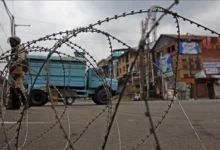
This security infrastructure has become a prominent feature of everyday life in the territory. Checkpoints, searches, identity verification, security operations and restrictions imposed in the name of maintaining law and order have affected the movement and daily routines of local residents.
Human-rights advocates and Kashmiri civil society have raised concerns about the consequences of prolonged militarisation, the application of stringent security laws and the use of extensive security powers. They argue that these arrangements have affected civilian freedoms, privacy, mobility and the ability of communities to conduct ordinary social and economic activities.
Surveillance and Restrictions on Freedom of Expression
Human-rights organisations, journalists and Kashmiri civil society have repeatedly raised concerns about surveillance and restrictions affecting civilian and political life.
Issues requiring examination include:
Surveillance of civilians: Monitoring of individuals, public activities, communications and online expression, and its implications for privacy and freedom.
Restrictions on peaceful gatherings: Limitations on public meetings, demonstrations and political activities, including the use of prohibitory orders.
Detentions and questioning: Arrests, preventive detention and questioning under security-related legislation, including the Unlawful Activities (Prevention) Act (UAPA) and the Public Safety Act (PSA).
Press freedom: Restrictions, questioning, detention and other forms of pressure reportedly affecting journalists and independent media organisations.
Internet and communication restrictions: Shutdowns, restrictions on mobile connectivity and limitations on digital access, with consequences for education, business, journalism and public communication.
Impact on civilian life: The effects of security checks, searches and operational restrictions on students, traders, professionals, families and ordinary residents.
These concerns should be examined through documented cases, official orders, judicial proceedings and independent human-rights investigations.
The Impact of Militarisation on Daily Life
The effects of prolonged militarisation extend beyond security operations and political restrictions. Frequent checkpoints, searches, movement restrictions and security-related disruptions can affect access to educational institutions, healthcare facilities, workplaces and markets.
Children growing up in conflict-affected communities, families experiencing repeated disruptions, business owners facing uncertainty and young people concerned about their political future can experience lasting social and psychological consequences. Families may face uncertainty when relatives are detained, questioned or affected by prolonged security operations.
For communities living near security installations or in areas frequently affected by operations, the continuing presence of armed personnel can also shape their sense of privacy, security and freedom in public spaces.
Psychological and Social Consequences
The impact of prolonged conflict and militarisation is not limited to physical security or economic disruption. Children growing up in conflict-affected communities, families experiencing repeated uncertainty, business owners facing instability and young people concerned about their political and economic future may experience lasting social and psychological pressures.
Repeated exposure to violence, detentions, raids, communication disruptions and uncertainty can affect family relationships, educational development, social interaction and confidence in public institutions. The experiences of individuals and communities may differ, and their effects should be assessed through credible research, documented testimonies and independent studies rather than generalisation.
The broader question is how prolonged security arrangements affect civilian confidence, democratic participation, economic development and social well-being. Any comprehensive assessment of Jammu and Kashmir must therefore consider not only the security objectives cited by the authorities but also the effects of security policies on the fundamental rights, dignity and everyday lives of the civilian population.
- Constitutional Change, Waqf Administration and Questions of Institutional Autonomy
Abrogation of Articles 370 and 35A
On 5 August 2019, the Indian government initiated the constitutional process that resulted in the effective abrogation of Article 370 and the ending of IIOJK’s former special constitutional status. Article 35A, which had provided a constitutional basis for the region’s special provisions concerning permanent residents and associated rights, also ceased to operate.
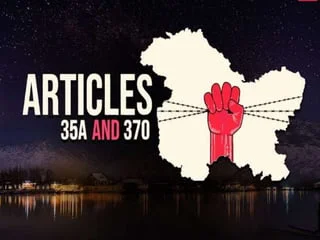
The Jammu and Kashmir Reorganisation Act, 2019, divided the former state into two Union Territories: Jammu and Kashmir, and Ladakh. The changes transferred significant legislative and administrative powers to the central government and fundamentally altered the region’s constitutional relationship with the Indian Union.
In December 2023, India’s Supreme Court upheld the constitutional changes relating to Article 370. It directed the Election Commission of India to conduct Assembly elections by 30 September 2024 and stated that statehood should be restored at the earliest.
The constitutional changes remain central to debates about political representation, local authority, land and domicile regulations, and the future administrative status of Jammu and Kashmir.
Historical Background of the Jammu and Kashmir Waqf Board
The constitutional and legislative transformation of occupied Jammu and Kashmir has significantly altered the region’s political and administrative arrangements, including the framework governing Muslim religious endowments. The changes have raised wider questions about political autonomy, the administration of religious institutions, community representation and the relationship between centrally appointed authorities and local institutions.
The institutional history of Muslim religious endowments in Jammu and Kashmir predates the present Waqf Board. The All Jammu and Kashmir Muslim Auqaf Trust emerged from an earlier collective initiative to manage Muslim religious properties and was formally established in 1973. It administered numerous mosques, shrines, khanqahs and other religious properties across the region.
In September 2003, an ordinance introduced a new statutory framework for the management of specified Muslim religious endowments and properties, bringing assets previously administered by the Muslim Auqaf Trust under a newly constituted board. The Jammu and Kashmir Board for Specified Wakfs and Specified Wakf Properties Act was subsequently passed in January 2004. The legislation was amended in 2005, when the terminology was changed to Jammu and Kashmir Muslim Specified Wakfs.
This institutional transition is important because the management of Waqf properties involves not only financial and administrative responsibilities but also the preservation of religious institutions and community interests. Given the significance of mosques, shrines and charitable endowments in the lives of Kashmiri Muslims, the composition and functioning of the Board have remained matters of public interest.
Reconstitution under the Central Waqf Act
Before the constitutional changes of August 2019, the administration of Muslim endowments in Jammu and Kashmir operated under a region-specific legislative framework. Following the revocation of IIOJK’s special status, the central Waqf Act, 1995, as amended, was extended to the territory.
On 24 February 2022, the Indian Ministry of Minority Affairs notified the constitution of a new Jammu and Kashmir Waqf Board under the central legislation. BJP leader Darakhshan Andrabi was subsequently elected chairperson on 16 March 2022 for a five-year term. Her appointment marked a significant institutional change, as the Board came to operate under the central statutory framework rather than the previous state-specific arrangement.
The reconstitution prompted questions about the extent of local representation, the Board’s accountability and the influence of centrally appointed institutions over religious endowments. Critics argue that decisions concerning Muslim religious properties should involve meaningful participation by local religious scholars, community representatives and elected institutions.
Decisions Concerning Shrines and Religious Practices
Several decisions taken by the Waqf Board under its present administration have generated controversy among religious community and political leadership.
In August 2022, the Waqf Board issued an order banning what it termed “unethical practices” at shrines, prohibiting mujavirs—the unofficial caretakers who have long been a fixture at Kashmiri shrines—from collecting donations traditionally given in exchange for offering prayers on behalf of devotees.
The decision prompted objections from individuals associated with shrine management, who questioned the restrictions on traditional arrangements. The matter subsequently reached the Jammu and Kashmir High Court. In February 2024, the Court upheld the order.
The episode highlighted the tension between administrative regulation of religious endowments and the preservation of established community practices. It also raised questions about consultation with traditional shrine caretakers and religious stakeholders before changes are introduced.
Hazratbal Shrine Plaque Controversy
On 5 September 2025, a controversy erupted at Srinagar’s revered Hazratbal Shrine after an inauguration plaque bearing India’s national emblem, the Ashoka Lion Capital, was installed as part of renovation work undertaken by the Waqf Board. The plaque had been inaugurated by Board Chairperson Darakhshan Andrabi earlier that week.
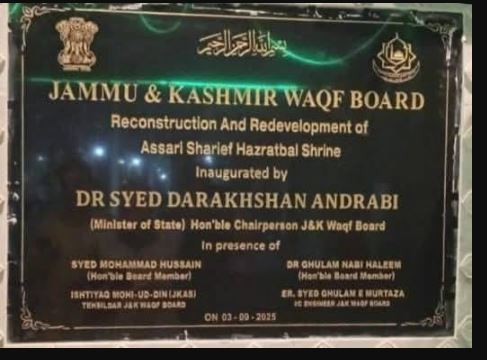
The presence of the emblem inside the shrine, which houses the holy relic of Prophet Muhammad (peace be upon him), provoked objections from worshippers and political representatives. Critics argued that the placement of a sculpted Hindu emblem within the religious premises was inconsistent with the Islamic principle of Tawheed. Following protests after Friday prayers, demonstrators damaged the plaque and removed the emblem.
The incident triggered a wider political and religious controversy. The episode raised questions about consultation, religious sensitivities and the authority of the Waqf administration in decisions concerning one of Kashmir’s most revered Islamic sites.
Proposal for Common Friday Sermon Themes
In October 2026 BJP-controlled Waqf Board established a committee of Islamic scholars and Imams to formulate uniform themes for Friday sermons (khutbahs). The BJP-controlled Muslim religious endowment board proposed deciding what topics imams could address during Friday sermons, triggering strong opposition from Kashmiri political leaders who said that India’s ruling BJP party was attempting to control Islamic religious discourse in the Muslim-majority region. They questioned the authority of a statutory administrative body to influence religious discourse.
The episode brought into focus a fundamental question: whether an administrative body responsible for managing religious endowments should also seek to influence the content of religious guidance delivered from mosque pulpits.
Political Autonomy and Local Self-Government
Critics argue that the loss of the former constitutional arrangements weakened the region’s political autonomy and reduced its capacity to determine important aspects of governance through locally accountable institutions. They maintain that the reorganisation of the former state into Union Territories, together with the expansion of centrally administered powers, altered the balance between local representation and central authority.
The restoration of statehood, the powers of elected representatives and the relationship between the elected government and the Lieutenant Governor remain important issues in the region’s political debate.
The administration of religious endowments adds another dimension to these concerns. Critics argue that the autonomy of Muslim religious institutions should be protected through transparent governance, meaningful community representation and safeguards against undue political or administrative interference.
Ultimately, the questions surrounding constitutional change and Waqf administration are closely connected to the wider debate over institutional autonomy in Jammu and Kashmir. The central issue is whether political and religious institutions can operate with meaningful local participation and accountability while preserving the region’s distinct historical, cultural and religious traditions.
- The BJP, RSS and Hindutva Politics in Kashmir
The ideological dimension of Jammu and Kashmir’s political and cultural transformation warrants separate examination. The BJP has long advocated the abrogation of Article 370 and the complete constitutional integration of Jammu and Kashmir with the Indian Union. Its ideological parent organisation, the RSS, promotes a vision of Indian cultural nationalism commonly associated with Hindutva, which places emphasis on a shared Hindu civilisational and national identity.
The BJP-led Indian government has defended the constitutional and administrative changes introduced in August 2019 on grounds of national integration, security, development, investment and the uniform application of constitutional provisions. It claims that the reorganisation has strengthened governance, expanded economic opportunities and brought Jammu and Kashmir closer to the wider constitutional and administrative framework of India.
However, critics, including Kashmiri political leadership, academics, civil-society organisations and human-rights advocates, argue that these measures have weakened regional autonomy, centralised administrative authority and altered the legal, institutional framework without the consent of the region’s population. They also express concern that the growing influence of Hindu nationalist ideology could affect the representation of Kashmir’s history, religious traditions and cultural identity.
The BJP’s Constitutional and Political Agenda
The abrogation of Article 370 fulfilled a longstanding BJP political commitment. The party had consistently argued that IIOJK’s special constitutional status prevented its complete integration with India and created legal and administrative differences between the region and other Indian states.
Following the August 2019 changes, J&K was divided into two Union Territories, with substantial powers transferred to the central government. Critics argue that the reorganisation weakened the region’s political authority and reduced the scope of locally accountable decision-making.
The subsequent changes to domicile, land, administrative and institutional arrangements have also generated concerns about the future of local representation, employment opportunities, land ownership and the region’s demographic composition.
RSS Ideology and the Promotion of Hindutva
The RSS has historically advocated a conception of Indian nationhood rooted in Hindu cultural nationalism. Its ideological influence extends through a wider network of organisations working in areas such as education, labour, social welfare, religious activity and cultural mobilisation.
Critics of Hindutva politics argue that this ideological framework can place pressure on India’s religious and cultural pluralism when one religious tradition is treated as the principal basis of national identity. In IIOJK, such concerns have become particularly significant because of the region’s Muslim-majority population, distinctive historical experience and unresolved political dispute.
The growing visibility of organisations associated with the wider Sangh Parivar network in public, educational and cultural activities in IIOJK has therefore attracted scrutiny. Questions have been raised about their organisational links, activities, funding, access to public institutions and influence on local social and cultural life.
Cultural Identity, Religious Institutions and Political Influence
Critics argue that the post-2019 political environment has increased the scope for the promotion of a dominant national cultural narrative in J&K. They point to debates over school curricula, the representation of regional history, government-sponsored cultural programmes, the administration of Waqf properties and the regulation of religious institutions.
These developments have prompted concerns about whether Kashmiri Muslim history, Islamic scholarship, Sufi traditions, local languages and religious institutions receive adequate recognition in official policies and public programmes.
The controversies surrounding the Waqf Board’s administration of shrines and its proposal for common Friday sermon themes have further intensified debate about the relationship between political authority and religious autonomy. Critics argue that decisions affecting Muslim institutions should be made through meaningful consultation with religious scholars and local communities.
- Cultural invasion: Renaming Historical Places and Institutions in Kashmir
The Narendra Modi government’s move to alter names of historical places, public institutions and official honours has become an important aspect of the political and cultural transformation of IIOJK. Critics view these changes as part of a broader effort to rewrite the political history of Kashmir.
Following the abrogation of Articles 370 and 35A in August 2019, several government institutions and public landmarks in Jammu and Kashmir underwent changes in nomenclature. These developments also reflected a wider pattern of renaming initiatives pursued by the BJP in different parts of India, where historical names associated with the Mughal period and other aspects of the country’s past have been replaced or challenged.
One prominent example was the renaming of the Chenani-Nashri Tunnel as the Dr Syama Prasad Mookerjee Tunnelon 24 October 2019. Mookerjee, a prominent Hindutva leader and founder of the Bharatiya Jana Sangh, had opposed the special constitutional status of Jammu and Kashmir.
In April 2020, the IIOJK administration renamed the Public Health Engineering, Irrigation and Flood Control Department as the Jal Shakti Department. Earlier, in January 2020, it removed the title ‘Sher-e-Kashmir’ from the police medals for gallantry and meritorious service, renaming them the Jammu and Kashmir Police Medal for Gallantry and the Jammu and Kashmir Police Medal for Meritorious Service. In May 2022, the administration also ordered the replacement of Sheikh Mohammad Abdullah’s image on the medals with India’s national emblem.
Renaming Proposals by Jammu Municipal Corporation
The Jammu Municipal Corporation (JMC), which was then controlled by the BJP, passed resolutions in June 2022 proposing changes to the names of two localities in Jammu. Sheikh Nagar was proposed to be renamed Shiv Nagar, while Amphalla Chowk was proposed to become Hanuman Chowk. The resolutions were moved by BJP corporators and approved by the municipal body. At the time, they were to be forwarded to the civil secretariat for further proceedings.
These proposals generated debate over the representation of historical, religious and regional identities in public spaces. Critics questioned the need to replace established names, while supporters associated the proposed changes with the recognition of Hindu religious and cultural traditions.
Competing Historical and Religious Narratives
The debate over place names also extends to landmarks carrying different historical and religious associations. Shankaracharya Hill and Takht-e-Suleiman, as well as Hari Parbat and Koh-e-Maran, are examples of names rooted in different historical, religious and cultural traditions.
For Kashmiris, traditional place names are not merely geographical labels; they also reflect historical memory, local languages, religious heritage and collective identity. Critics argue that selectively promoting one set of names over another risks marginalising the region’s plural cultural inheritance. Supporters of renaming initiatives, on the other hand, present them as recognition of Hindu historical figures and religious traditions.
- The Larger Question: Cultural Identity, Religious Freedom and Democratic Rights
The developments examined in this report raise a fundamental question about the future relationship between Jammu and Kashmir’s distinct regional identity and the Indian constitutional framework. The debate extends beyond political arrangements and administrative changes to encompass cultural heritage, religious freedom, democratic representation and the rights of local communities.
For Kashmiris, identity is not exclusively religious or political. It is also shaped by language, history, family traditions, Sufi heritage, literature, architecture, traditional livelihoods and a collective historical experience. These interconnected elements form an important part of the region’s cultural inheritance and cannot be adequately understood through a single political or religious narrative.
The Spiritual and Cultural Legacy of Shah-e-Hamdan
One of the most influential figures in Kashmir’s spiritual and cultural history is Mir Sayyid Ali Hamadani (1314–1384), popularly known as Shah-e-Hamdan and Amir-e-Kabir. A Persian Sufi scholar and preacher of the Kubrawi order, he visited Kashmir in the fourteenth century and played a significant role in the spread and development of Islam in the region. His teachings, spiritual influence and association with religious institutions left a lasting mark on Kashmiri society.
His legacy is reflected in several important aspects of Kashmir’s religious and intellectual life:
Awrad-e-Fathiyyah: A collection of prayers and invocations traditionally associated with Shah-e-Hamdan, it has remained an important part of religious practice in Kashmir and is recited by many people in the Valley.
Literary and Scholarly Contributions: Several works are attributed to him, including Zakhirat-ul-Muluk, a treatise addressing ethical conduct, political authority and the responsibilities of rulers. His writings reflect the relationship between spiritual discipline, social conduct and just governance.
Khanqahs and Religious Institutions: His spiritual mission contributed to the establishment and growth of Sufi centres in Kashmir. Khanqah-e-Moula, also known as the Shah-e-Hamdan Mosque, on the banks of the Jhelum in Srinagar, remains one of the region’s most prominent religious and architectural landmarks.
Handicrafts, Art and the Influence of Persian and Central Asian Traditions
Shah-e-Hamdan is also traditionally credited with encouraging the development of Kashmir’s handicrafts and artisanal economy. Historical accounts and local traditions associate his visits with the arrival of Persian and Central Asian scholars, craftsmen and skilled workers who contributed to the exchange of artistic and technical knowledge.The number of approximately 700 companions or followers is frequently cited in accounts of his second visit to Kashmir. His cultural legacy is commonly associated with the development and refinement of several traditional crafts, including:
Pashmina and Shawl Weaving: Persian and Central Asian influences contributed to the development of Kashmir’s renowned textile traditions. Shah-e-Hamdan is traditionally associated with encouraging the use and promotion of fine pashmina wool.
Carpet Weaving: The exchange of artistic techniques and the arrival of skilled artisans helped shape Kashmir’s distinctive carpet-making tradition.
Papier-Mâché: This craft, known for its intricate designs and decorative artistry, forms an important part of Kashmir’s handicraft heritage. Its origins and development are associated with multiple historical influences, including Persian and Central Asian connections.
Woodcarving and Architecture: Persian and Central Asian artistic influences contributed to Kashmir’s distinctive wooden architecture and decorative traditions, including intricate woodwork and ornamental ceilings.
These crafts became important sources of livelihood and helped establish Kashmir’s reputation for artistic excellence.
Ethical Values, Livelihoods and Social Responsibility
Shah-e-Hamdan’s legacy also extends to the relationship between spirituality, economic activity and social responsibility. His teachings emphasised moral conduct, self-discipline and the importance of earning an honest livelihood. His influence is traditionally associated with encouraging practical skills and productive work alongside religious devotion.
Through works like Zakhirat-ul-Muluk, he introduced administrative and ethical principles focused on justice, the protection of non-Muslim subjects, and social welfare.
The preservation of this identity requires more than symbolic recognition.
Key priorities include:
Religious Freedom: Protecting the freedom to practise, profess and propagate religion, subject to applicable legal safeguards, and ensuring the autonomy and protection of religious institutions.
Freedom of Expression: Safeguarding journalists, writers, academics, artists and citizens against arbitrary restrictions and ensuring space for peaceful disagreement.
Democratic Representation: Respecting regional political participation, representative institutions and the ability of elected representatives to address local concerns.
Language and Heritage: Preserving Kashmiri and other regional languages, historical sites, literature, oral traditions, architecture and traditional livelihoods.
Rule of Law: Ensuring that security and other laws are enforced transparently, proportionately and with due process, while providing effective remedies against abuses.
Academic Independence: Protecting scholarly freedom and promoting balanced educational curricula that recognise the region’s diverse history and cultural contributions.
Public Consultation: Ensuring meaningful participation by local communities, religious scholars, cultural organisations and elected representatives in decisions affecting their social and cultural life.
Institutional Accountability: Holding security agencies, civilian administrations and public institutions accountable under the law.
Equal Rights and Protection: Safeguarding the rights and dignity of women, transgender people, religious minorities and other vulnerable communities without discrimination.
- Language Politics in Jammu and Kashmir: Concerns over Kashmiri, Urdu and Arabic Heritage and the Promotion of Hindi and Sanskrit
Language policy has become an important dimension of the political and cultural transformation of Jammu and Kashmir following the abrogation of Article 370. The enactment of the Jammu and Kashmir Official Languages Act, 2020, changed the region’s official-language framework by recognising Kashmiri, Dogri, Hindi, Urdu and English for official purposes.
Although the legislation formally recognises five official languages, debates continue over their practical use in administration, education, public communication and cultural institutions. Critics argue that the growing emphasis on Hindi, alongside changes affecting Urdu’s traditional administrative role, could weaken the region’s established linguistic heritage.
Urdu’s Historical Role and Changing Administrative Position
Urdu has occupied a central position in Jammu and Kashmir’s administrative and literary history. Maharaja Pratap Singh declared it the official language of the princely state in 1889, replacing Persian in official and judicial administration. For more than a century, it remained particularly important in revenue records, land settlements, police documentation and the subordinate judiciary.
Much of the region’s historical land and revenue documentation is preserved in Urdu. Consequently, knowledge of the language has traditionally been considered important for officials dealing with land records, revenue administration and related public services.
Recent developments have renewed concerns about its administrative position. In July 2025, the Central Administrative Tribunal stayed provisions of the Jammu and Kashmir Revenue (Subordinate) Service Recruitment Rules, 2009, which required knowledge of Urdu for recruitment to Naib Tehsildar posts. The tribunal directed that candidates possessing knowledge of any of the five official languages should be considered. The interim ruling described the Urdu-exclusive requirement as prima facie discriminatory in light of the 2020 Act.
In April 2026, the IIOJK government also issued draft recruitment rules for revenue services that removed Urdu as a compulsory qualification, inviting public feedback. The proposal generated criticism from political parties and sections of the public who argued that revenue officials should retain the ability to read and interpret historical land records written in Urdu.
The debate is therefore not simply about the recognition of official languages. It also concerns administrative continuity, access to historical records and the practical linguistic requirements of public services.
Promotion of Hindi and Questions of Linguistic Balance
The recognition of Hindi as an official language under the 2020 Act has expanded its formal position in J&K’s administration. Government statements have also referred to efforts to strengthen Hindi-language facilities, including training, standardised formats, language cells and software modules supporting Hindi references and templates in the e-office system.
The administration maintains that these measures are part of implementing the multilingual official-language framework. However, critics question whether the promotion of Hindi is being accompanied by comparable institutional support for Kashmiri and Urdu.
Political representatives and cultural commentators have expressed concern that an excessive emphasis on Hindi and the Devanagari script represent a top-down effort to homogenize the region’s linguistic landscape and diminish the cultural weight associated with Urdu.
Kashmiri and Other Regional Languages
Kashmiri’s recognition as an official language under the 2020 legislation was an important formal development. However, language advocates contend that practical implementation on the ground has lagged behind Hindi. They argue that official recognition must be supported by meaningful implementation in education, administration, public communication, research and cultural institutions.
The region’s linguistic diversity extends beyond Kashmiri and Dogri. Gojri, Pahari, Punjabi and other languages are also spoken by communities across Jammu and Kashmir. Section 4 of the Official Languages Act specifically calls for institutional efforts to promote and develop Gojri, Pahari and Punjabi.
Representatives of these linguistic communities have repeatedly sought greater recognition, educational opportunities, publication support and inclusion in official and cultural institutions.
The central challenge is to ensure that official-language recognition translates into practical opportunities for speakers of different languages, rather than putting emphasis on Hindi.
Proposals and debate around Sanskrit
Proposals concerning the promotion of Sanskrit have also generated discussion about the direction of language and educational policy in Jammu and Kashmir. The administration has faced scrutiny and a debate has ensued regarding proposals to establish a dedicated board or academy for Sanskrit, with critics framing it as part of an ideological re-anchoring of the region’s educational and cultural identity in occupied Jammu and Kashmir.
Arabic and Kashmir’s Islamic Literary Heritage
Arabic occupies a distinct place in Kashmir’s religious and intellectual heritage. Although it is not one of the five official languages recognised under the 2020 Act, it has historically been important in Islamic scholarship, religious education, Quranic studies and the preservation of religious texts.
Kashmir’s Islamic intellectual tradition has developed through interactions among Arabic, Persian and local languages. Arabic has served as a language of religious learning, while Persian and Urdu have played significant roles in the region’s literary, scholarly and cultural history.
Any assessment of language policy and cultural preservation should therefore consider the place of Arabic in religious education and scholarship, alongside the historical contributions of Persian and Urdu and the living traditions of Kashmiri and other regional languages.
Conclusion: Development, Integration and the Preservation of Kashmir’s Identity
Jammu and Kashmir stands at the intersection of competing political visions, constitutional arrangements, religious traditions and cultural identities. The changes imposed by the BJP-led Indian government in August 2019 have fundamentally altered the region’s constitutional and administrative framework. Kashmiri society continue to question whether these changes adequately respect the region’s political aspirations, religious traditions and distinct cultural heritage.
The developments examined in this report—including the activities of cow-protection organisations, the implementation of transgender welfare policies, the emergence of LGBTQIA+ advocacy, liquor licensing, changes to school curricula, BJP-govt sponsored cultural programmes, Waqf administration and the renaming of historical places and institutions—cover different areas of public policy and social life. Their combined implications for cultural identity, religious freedom, social relations and democratic participation deserve careful and independent scrutiny.
The central concern is whether the policies and institutional changes introduced under BJP rule are strengthening democratic governance and protecting the rights of all communities, or contributing to greater centralisation and a narrowing of the space available for regional identity, religious autonomy and political expression.
Development, investment and administrative integration cannot resolve questions of political representation, historical identity and public trust. Sustainable peace and stability require respect for fundamental rights, meaningful democratic participation, institutional accountability and protection of the region’s diverse cultural and religious heritage.
Ultimately, the future of Jammu and Kashmir should not be assessed through official claims of development. It should be measured by the extent to which its people enjoy dignity, equality, religious freedom, cultural protection and a meaningful voice in decisions affecting their lives and future.
Perspectives of Critics and Kashmiri Muslim Organisations
Cultural and Demographic Subjugation: Critics and Kashmiri Muslim leaders view the growing presence and activities of RSS-linked Hindutva organisations in Jammu and Kashmir as part of a broader political and ideological agenda pursued by the BJP and RSS. They argue that the abrogation of Articles 370 and 35A in August 2019, followed by subsequent legislative and administrative changes, including amendments to the Waqf law, has weakened the region’s political autonomy, institutional self-governance and distinct cultural identity. These developments, they say, have intensified concerns about the marginalisation of the Muslim-majority region and the erosion of its historical and religious character.
Political and Cultural Agenda: Critics contend that the BJP and RSS present the removal of Jammu and Kashmir’s special constitutional status and its closer integration with the Indian Union as measures aimed at promoting development, administrative efficiency and national unity. However, they argue that these policies reflect an ideological project to expand Hindu cultural influence, weaken the region’s distinct political and cultural character, and marginalise its Muslim identity. They further maintain that this approach disregards the political aspirations of Kashmiris, including their demand for the right to self-determination.
Cultural and Religious Identity under Pressure: Kashmiri critics and the Muslim community view the growing influence of Hindutva organisations, alongside changes in cultural, educational and religious institutions, as a challenge to the region’s indigenous traditions and Islamic heritage. They say that the BJP and RSS, with the support or acquiescence of the security and administrative establishment, are promoting a form of cultural assimilation that undermines local identity. They also point to extensive security deployments, surveillance, restrictions on public activity and pressure on dissenting voices as factors contributing to a sense of confinement and political alienation among Kashmiris. Critics describe these developments as a form of cultural aggression, arguing that the preservation of Kashmir’s identity requires not only protection of its religious and linguistic heritage but also respect for its political aspirations and civil liberties.
An oft-quoted, anonymous political quip captures the confrontational tone of the BJP’s approach in Jammu and Kashmir: “Some people say if you can’t beat them, join them. I say, if you can’t beat them, beat them, because they will be expecting you to join them, so you will have the element of surprise.” Applied to the political situation in Jammu and Kashmir, the remark reflects that the BJP’s strategy is not merely to accommodate regional differences but to politically and ideologically overcome resistance to its agenda.