China warns India over Dalai Lama succession
 New Delhi: Tensions have flared once again between India and China, this time over controversial statements by India regarding the succession of the Tibetan spiritual leader, the Dalai Lama.
According to Kashmir Media Service, China has issued a strong warning to India, asserting that the matter of the Dalai Lama’s reincarnation and succession is purely China’s internal affair. The Chinese Embassy in New Delhi made it clear that any interference or remarks from India on this sensitive issue could further strain already fragile relations between the two countries.
The statement comes ahead of Indian External Affairs Minister S. Jaishankar’s scheduled visit to China to attend the Shanghai Cooperation Organisation (SCO) summit — the first high-level diplomatic engagement between the two nations since the deadly border clashes in 2020, which left at least 20 Indian and 4 Chinese soldiers dead.
Reuters reported that recent celebrations marking the Dalai Lama’s 90th birthday held in India, and attended by Indian ministers and officials, had angered Beijing. During the events, the Dalai Lama reiterated that China would have no role in the decision regarding his successor — a stance that China condemned as an attack on its sovereignty.

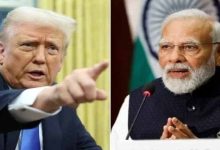
A spokesperson for the Chinese Embassy in New Delhi stated that issues related to Tibet (Xizang) are extremely sensitive and urged India not to “play the Dalai Lama card.” The spokesperson warned that doing so would be akin to “shooting itself in the foot” and could become a diplomatic burden for India.
The Dalai Lama has lived in exile in India since fleeing the Chinese crackdown on an uprising in Tibet in 1959. Beijing continues to view him as a separatist threat and the issue of his succession remains one of the most delicate in Sino-Indian relations.
Analysts note that the growing discord over the Dalai Lama’s succession highlights that the India-China conflict is no longer limited to territorial disputes but has expanded into complex geopolitical and ideological confrontations, further intensifying regional instability and uncertainty.