Article: How India Labels Innocent Kashmiris as Militants to Justify Killings Near LoC
 Dilpazeer Rana
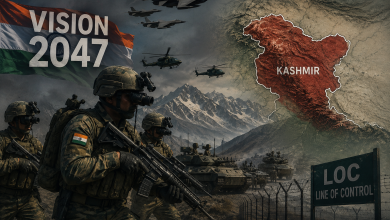
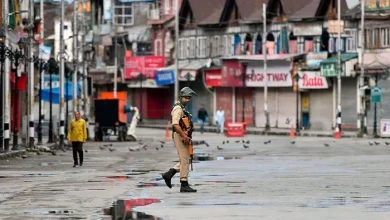
For decades, the Line of Control (LoC) has not only divided Jammu and Kashmir but also become a graveyard for many innocent civilians who happen to live in the border belt. Whenever Indian forces’ personnel kill locals in these remote areas, a familiar script follows: the dead are branded as “terror guides,” “OGWs,” or “Pakistani infiltrators”. This labeling strips the slain of their identity, erases their humanity, and creates a narrative that shields the perpetrators from accountability.
The Latest Example: “Samandar Chacha”
Recently, Indian media widely reported the killing of an elderly man identified as Bagu Khan, also called ‘Samandar Chacha’, near the Gurez sector of Bandipora. He was portrayed as a “top infiltration guide,” allegedly helping militants cross the LoC since the 1990s. However, residents in border villages contest such claims, pointing out how the Indian narrative always paints the dead as dangerous actors — without independent verification. To them, Samandar Chacha was simply another villager surviving on the margins of a militarized frontier.

A Repeated Pattern
This is not an isolated incident. Time and again, India has used branding tactics to justify civilian killings near the LoC:
Machil Fake Encounter (2010): Three Kashmiri laborers — Shazad Ahmad Khan, Riyaz Ahmad Lone, and Mohammad Shafi Lone — were lured to the border with promises of work and then killed by the Indian Army, falsely branded as “Pakistani militants.” Their families recognized them when photos surfaced. The case became a symbol of how easily innocent Kashmiris are labeled as “terrorists.”
Handwara Encounter (2020): Three young men killed by Indian forces were initially projected as militants. Only later, after protests, did authorities admit they were civilians — daily wage workers who had crossed into the forest area in search of employment.
Shopian Fake Encounter (2020): Three laborers from Rajouri — Abrar, Imtiyaz, and Abrar Ahmad — were killed and declared as “Pakistani infiltrators.” An Army inquiry later confirmed the encounter was staged.
Cross-LoC Killings: Villagers who collect firewood, graze cattle, or cross unmarked forest lines often fall victim. Each time, India describes them as “guides aiding infiltration,” thereby legitimizing murder under the garb of counter-terrorism.
Why the Labels Matter
Labeling victims as militants serves two purposes:
Domestic Propaganda: It presents India as constantly “fighting terrorism,” pleasing its nationalist audience.
International Shielding: By branding the dead as linked to militancy, India avoids international condemnation for civilian killings and reframes atrocities as “counter-terror operations.”
The Human Cost
For the families of the slain, these labels are a second death. They not only lose their loved ones but also watch their names smeared in official records as “terrorists.” This stigmatization makes it harder to seek justice, demand accountability, or even mourn openly.
Conclusion
The cycle of killings and false branding near the LoC reveals a grim reality: in Kashmir, a civilian’s life is cheap, and their identity after death is decided not by truth but by military convenience. Until impartial investigations replace scripted labels, Kashmiris living near the border will continue to be silenced twice — once by bullets, and again by lies.