Ashoka emblem installation at Hazratbal shrine sparks widespread outrage in IIOJK
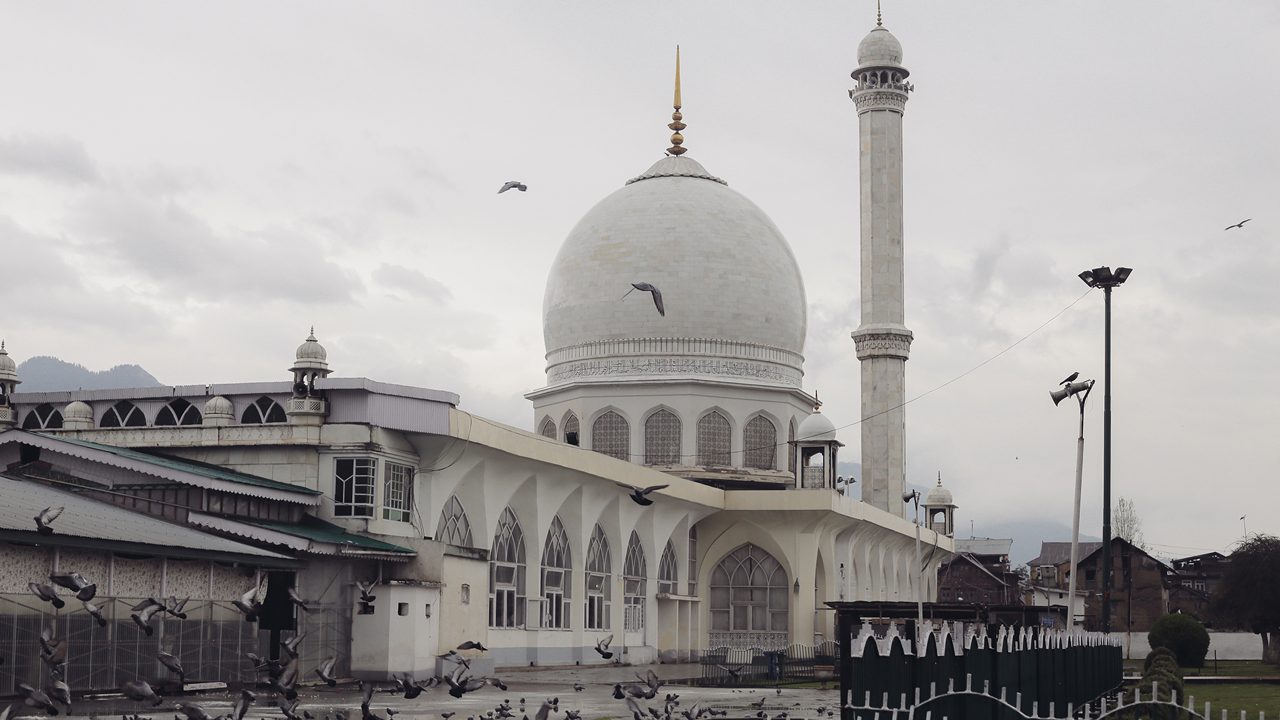
Srinagar: The installation of the Ashoka emblem plaque at the revered Hazratbal shrine in Srinagar has ignited widespread outrage across Indian illegally occupied Jammu and Kashmir (IIOJK), with political leaders from across the spectrum denouncing the move as an affront to religious sentiments and a deliberate attempt to politicize a sacred space.
According to Kashmir Media Service, analysts argue that placing India’s national emblem inside Hazratbal was no coincidence but a calculated act under the Hindutva-driven agenda. They describe it as a deliberate provocation and an expression of Islamophobia, noting that the shrine houses the Mo-e-Muqqadas—a revered relic believed to be a strand of hair of the Holy Prophet Muhammad (PBUH). By attempting to impose a national symbol on such a sacred site, critics say, New Delhi sought to dilute its sanctity and assert political dominance.
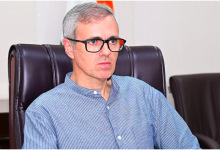
Speaking to media persons in south Kashmir’s Islamabad, IIOJK Chief Minister Omar Abdullah questioned the very rationale behind the decision. “What was the compulsion that a stone was used at Hazratbal?” he asked. “If the work was genuine, people would have recognised it without plaques. If a mistake was made, it should be admitted.” Reacting to BJP leader and Waqf Board Chairperson Darakshan Andrabi’s remarks on slapping the draconian PSA against those who damaged the emblem, Omar Abdullah said, “First, people’s sentiments were played with. An apology should have been offered, but no one did that. The emblem is meant only for government offices. It cannot be used in any religious institution, whether temple, mosque, or shrine.”
PDP President Mehbooba Mufti went a step further, saying the move had deeply wounded the religious feelings of Muslims. Addressing a press conference in Srinagar, she demanded legal action against those responsible. “Instead of targeting those who defaced the emblem out of religious sentiment, the government should lodge an FIR against the Waqf Board chairperson and members who allowed this act. Hazratbal is a sacred shrine, not a venue for coronation or political symbolism,” she said. She also castigated Darakhshan Andrabi for demanding PSA against the protesters, questioning, “Who permitted installation of the emblem in a shrine where there is no concept of idol worship?”
CPI (M) leader and Kulgam MLA Mohammad Yousuf Tarigami described the installation as “provocative” and unnecessary. “The Ashoka emblem is unimportant to Kashmiri Muslims,” he said, urging the authorities not to repeat such actions and to apologise. “Any step that hurts the emotions of the people, I will interpret it as provocative. Those in power should apologise to the common people.” He also criticised the heavy-handed response of filing FIRs and using coercive measures against protesters. “What is FIR? Pressure, imprisonment, jail—this story is very old now. Problems have never been solved with sticks,” Tarigami remarked, calling instead for accountability against those who issued such provocative orders.
Earlier, NC leader and parliamentarian Agha Syed Ruhullah Mehdi had also condemned the move. In a post on X, he wrote, “Attempts to monumentalise egos inside Hazratbal are not acts of devotion but of arrogance. A sacred place that has stood for centuries needs no one’s nameplate for legitimacy. People were rightly offended by this dangerous attempt to play with religious sensitivities for self-glorification.” He added that while Hazratbal had seen reconstructions in the past, never were such measures taken to claim political credit. Mehdi further warned that discussions around invoking the PSA in this context would only aggravate the situation and insult the sentiments of devotees.