‘Kashmiris’ struggle indigenous, not terrorism; Indian claims mere propaganda’
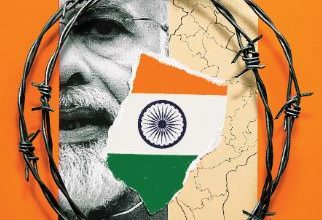
Srinagar: Rights groups and political analysts have strongly rejected recent Indian claims about the existence of “terrorist launch pads” across the Line of Control (LoC), calling them part of New Delhi’s propaganda campaign aimed at maligning the Kashmiris’ legitimate freedom movement and Pakistan.
According to Kashmir Media Service, Indian political and military officials frequently make such allegations of cross-border infiltration to deflect attention from their own failures and ongoing rights abuses in Indian illegally occupied Jammu and Kashmir. In a recent statement, Inspector General, BSF Kashmir Frontier, Ashok Yadav, speaking to reporters in Srinagar said that “terrorists” were positioned at launch pads across the LoC, preparing to infiltrate into the Kashmir valley.
However, rights groups and political observers stress that the ongoing struggle in IIOJK is indigenous, deeply rooted in the people’s decades-long demand for the UN-recognized right to self-determination.

Analysts highlight that India often raises alarms about infiltration, especially ahead of winter, as a tactic to divert global attention from widespread human rights violations in IIOJK. By branding the Kashmiris’ movement as “terrorism,” they added, New Delhi attempts to suppress legitimate political aspirations and resistance.
Observers underline that Kashmiris have repeatedly sacrificed their lives to assert their inalienable right and have sustained their resistance despite curfews, military crackdowns, and widespread detentions.
“The fact remains that Kashmir is an unresolved international dispute. This is not about cross-border terrorism, but about the unfulfilled UN promise of a plebiscite,” one rights activist noted.
They further maintained that India’s narrative of “launch pads” and “infiltration attempts” is a deliberate effort to mislead both domestic and international audiences, while the ground reality reflects a genuine, popular, indigenous uprising against Indian occupation.