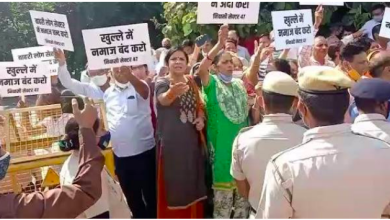
Delhi residents face health crisis as pollution levels worsen, survey finds
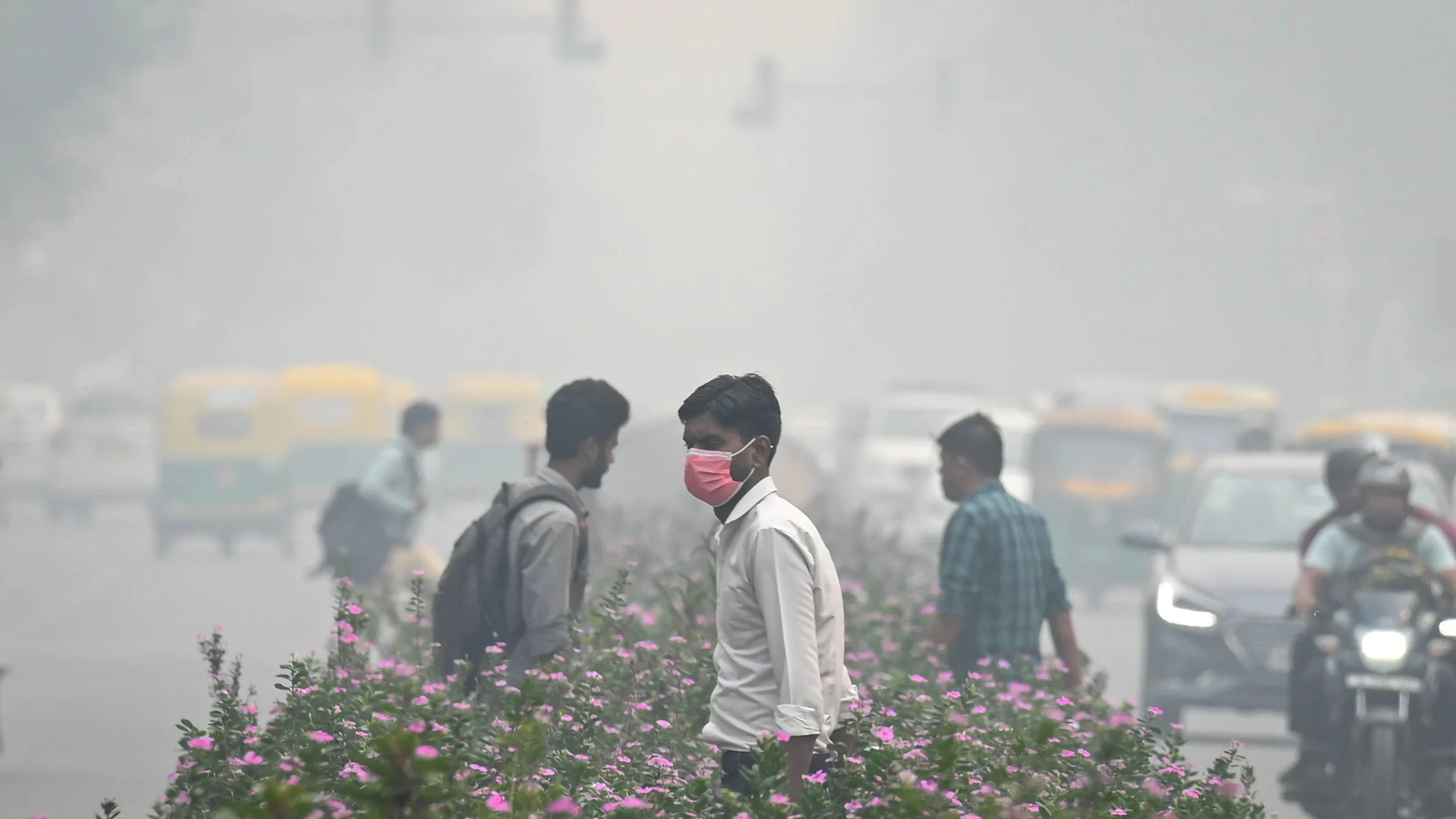 New Delhi: Despite repeated assurances from authorities about improving air quality and implementing effective pollution control measures, residents of Delhi-NCR continue to suffer from the severe consequences of toxic air. A recent survey has revealed that three out of four households in the National Capital Region are enduring a range of debilitating health issues linked directly to worsening pollution levels.
According to Kashmir Media Service, the online survey, conducted by citizen engagement platform LocalCircles, drew over 44,000 responses from residents across Delhi, Gurugram, Noida, Faridabad, and Ghaziabad, providing a stark picture of the region’s ongoing air quality crisis. The survey findings show that residents are grappling with a range of respiratory and health issues—from sore throats and persistent coughs to burning eyes, headaches, and disturbed sleep—all attributed to the alarming deterioration in air quality.
The survey revealed that 42% of the households reported that one or more members had sore throat or cough, while 25% said that family members were suffering from conditions such as burning eyes, headaches or difficulty sleeping. Around 17% of the respondents reported breathing difficulties or aggravated asthma.
As per the survey, an analysis of data from the Central Pollution Control Board (CPCB) data shows that after Diwali, PM 2.5 levels skyrocketed to 488 micrograms per cubic meter, the highest in five years. This is over three times the pre-festival level of 156.6 micrograms per cubic meter, highlighting the ineffective implementation of pollution-control measures during high-pollution periods.

Despite claims of progress from local authorities, Delhi’s air quality index (AQI) continues to hover in the “poor” category, with the CPCB reporting an AQI of 261 on the morning of October 25—still dangerously high by any standard. In several areas, AQI levels have crossed 400, reaching levels 24 times higher than the World Health Organization’s (WHO) recommended limits for PM2.5 exposure.
According to the LocalCircles survey, 44% of households have resorted to reducing outdoor exposure and focusing on immunity-boosting foods and drinks in a bid to mitigate the adverse effects of the toxic air. Around one-third of respondents have either consulted or plan to consult doctors for pollution-related ailments, underscoring the extent to which pollution is affecting public health.