Omar Abdullah demands clear, time-bound roadmap for restoration of IIOJK’s statehood
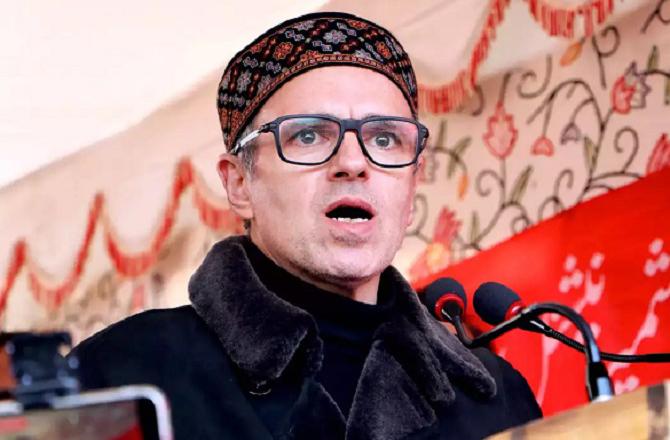
Srinagar: In Indian illegally occupied Jammu and Kashmir (IIOJK), Chief Minister Omar Abdullah has called on the BJP-led Indian government to present a clear, time-bound roadmap for the restoration of statehood for the territory, stating that vague assurances are no longer acceptable.
According to Kashmir Media Service, addressing a public gathering in Qamarwari area of Srinagar, Omar Abdullah stressed that voters had been promised the restoration of statehood during elections, and it was now time for the government to deliver on that promise with concrete timelines.
He said, “People were told that statehood would be restored after the elections, but now they are being asked to wait for the ‘right time’. Tell me: how are we to measure the ‘right time’ for statehood? What conditions must be met so we know the time has come? If the promise of statehood was made, it must be kept.”
Omar further stressed that, at the very least, the promises made in the Indian Supreme Court and Parliament to the people of IIOJK should be fulfilled. “Why are they afraid of statehood? If people voted for that promise, then why is it being delayed?
He expressed his frustration with the lack of transparency on the issue, saying, “As Chief Minister, I should be informed of the goal set for the restoration of statehood so that we can prepare ourselves and help people out of this situation, where employees are being terminated and residents are being evicted from their homes without any explanation,” he added.
He urged New Delhi to turn its promises into action, emphasizing that a clear stance on statehood is crucial for political stability and to restore public trust. “People cannot be asked to wait indefinitely for a promise that formed the foundation of electoral support.”
Omar Abdullah also highlighted the economic fallout of the Pahalgam incident especially to IIOJK’s tourism sector. “Shikaras (houseboats) and taxis lie idle, houseboats are empty,” he remarked, questioning who was responsible for ensuring security. He said it was not within his hands to rectify lapses he had not been given powers to address.