UK seminar urge UN, UK to recognise 1947 killings as genocide
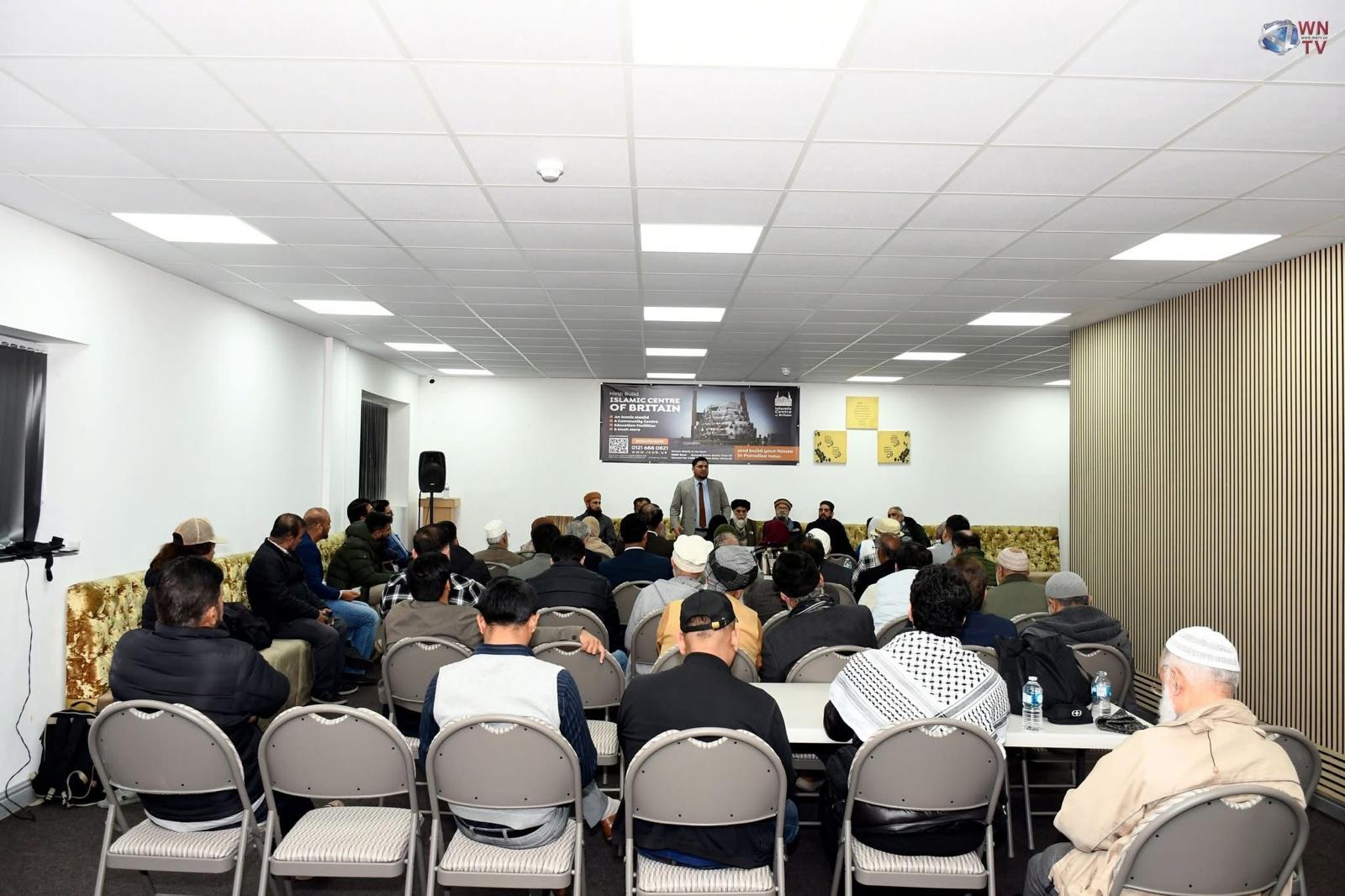
Birmingham: Tehreek-e-Kashmir (TeK) UK organised a seminar titled “The Forgotten Jammu Muslim Massacre” in Birmingham to mark Jammu Martyrs’ Day, observed annually on 6th November.
According to Kashmir Media Service, the event was attended by representatives from Amnesty International, Palestine Solidarity Campaign, Stop the War Coalition, Muslim Association of Britain, St John’s Church, and other organisations.

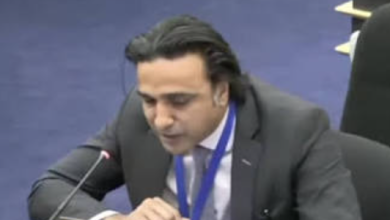
Fahim Kayani, President of Tehreek-e-Kashmir UK, briefed participants on the massacre of Muslims in Jammu in November 1947, when around 500,000 Muslims were killed and nearly half a million displaced by the forces of the Dogra ruler Maharaja Hari Singh, aided by paramilitary groups and RSS militias.
He said forces from Patiala were brought in mid-October 1947 while the RSS was mobilised to communalise the situation and target Muslims. The Jammu Muslim massacre, which began in mid-October, continued until the end of November that year, spanning nearly six weeks.
Historical accounts reveal that the killings intensified between 5 and 10 November 1947, reaching their peak around November 6 when organised “evacuations” of Muslims turned into mass executions near Rajouri, Samba, and Kathua.
Kayani termed the killings a state-sponsored genocide aimed at changing Jammu’s demographic composition — reducing the Muslim population from over 61 percent to around 30 percent. He said the tragedy remains one of the least-documented massacres of the partition era, though it was reported in British media outlets such as The Spectator (16 January 1948) and The Times, London (10 August 1948).
“The Jammu massacre is not just a forgotten tragedy — it is the starting point of the Kashmir dispute,” Kayani said. “Justice demands that the United Nations recognise it as genocide and hold those responsible accountable for their crimes.”
He added, “This was the first ethnic cleansing in South Asia’s modern history — its victims and survivors still await acknowledgment and justice.”
Other speakers, including Dr. Ahmed Helmy, Astrid Laich, Claire Sandercock, Rev. Toby Crow, Stuart Richardson, Khawajah Suleman, Iram Tahir, Bader Zaman, Khawajah Nisar, Ali Akhter, and Muhammad Ameen, also addressed the gathering. They said the genocide remains underreported and called for the construction of a memorial to honour the victims who have long been ignored.
The participants jointly urged the United Nations to investigate the Jammu massacre as genocide and called upon the UK government to recognise this dark but defining chapter in South Asian history.