Family of detained Imam rejects allegations as ‘absolutely wrong’
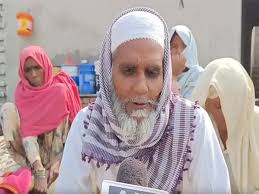
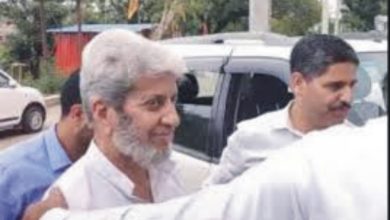
Nuh, Haryana: The family of arrested Imam Mohammad Ishityaq has strongly rejected the Indian police’s allegations linking him to what they call a “white-collar terror” case, describing the charges as false, politically motivated, and part of a broader campaign to malign innocent Kashmiris and Muslims.
According to Kashmir Media Service, Imam’s brother, Mohammad Shahbad, while talking to the media, said the accusations against Ishityaq were “absolutely wrong” and without any factual basis. “He has been the Imam of the Al-Falah University mosque for the past 20 years. He lives there with his family, and we frequently visit each other,” Shahbad said.
He explained that his brother had rented out a room on his property in Fatehpur to a doctor, later identified as Dr. Muzammil, and had no knowledge of his activities. “No one keeps an eye on the day-to-day activities of tenants. The media is now claiming that weapons and explosives were recovered from that rented room. The accusations against my brother are false and fabricated. Our family has always lived an honourable life. All my brothers are Imams,” he added.
Observers say this is yet another case in a growing pattern where Indian authorities hastily implicate professionals, religious figures, and ordinary Kashmiris in terror cases to sustain the narrative of a “terror network” extending from occupied Kashmir to India.
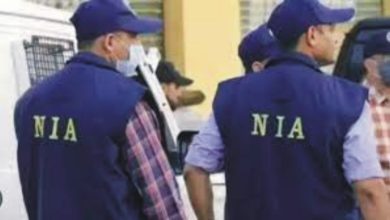
The so-called probe, led by India’s National Investigation Agency (NIA), has expanded following the car explosion near Delhi’s Red Fort. Indian agencies have since launched a sweeping crackdown, arresting doctors and religious figures, and raiding institutions like Al-Falah University and its medical college in Faridabad. The NIA claims to have recovered explosives from the university premises and accuses two doctors—Dr. Muzammil and Dr. Umar—of being part of a Jaish-e-Mohammad module. However, rights activists note that such accusations often rely on planted evidence, coerced confessions, and media trials that demonize Muslims and Kashmiris long before any judicial process begins.
The Modi regime’s continued use of such cases to stigmatize Kashmiris, they added, reflects the deep-rooted bias of India’s security and media apparatus that equates Kashmiri identity with suspicion.