IIOJK girl narrates how Indian troops harass women during CASOs
Raids and threats spread constant fear among Kashmiri women
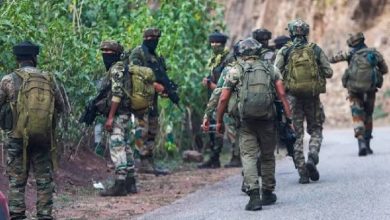
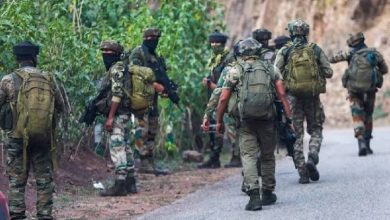
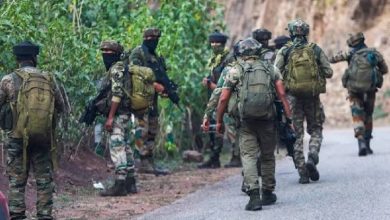
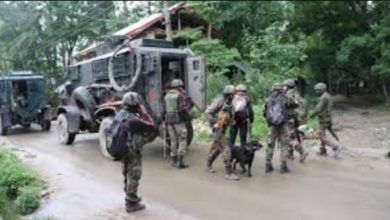
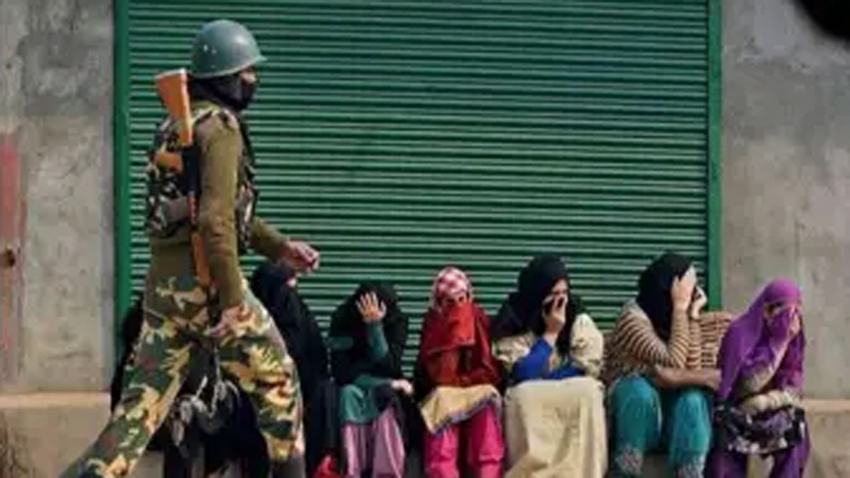 Jammu: The people of Indian illegally occupied Jammu and Kashmir continue to face systematic harassment under cordon-and-search operations, with women and girls often the primary target. A fresh incident in Village Khanak Nursery, Kathua, exposes the brutal reality behind Indian media portrayals of routine CASOs.
According to Kashmir Media Service, a 17-year-old student of Government Degree College for Women (GDCW) Kathua, Sameera, described how Border Security Force (BSF) troops in coordination with police forcibly entered her house during a CASO on November 25. She said the troops stormed her room early in the morning while she was still in bed, throwing belongings around and searching her trunks.
“They broke into my room before I could even cover myself with my pashmina. Two soldiers kept staring at me and laughing. One said if they could find such a ‘beautiful militant,’ the nights would be wonderful for them,” Sameera recounted in a trembling voice. Her mother, who came to stand beside her, was threatened by the troops, who allegedly warned, “Budhie, khiyal krna kahin trunk sy tumhary jihadi na nikal ayn” — a veiled threat implying terror and potential sexual assault.
Sameera said the soldiers made repeated statements that they would keep coming, leaving her and her family living in constant fear. She revealed that her parents are now asking her to stop attending college and remain at home to avoid possible abduction or sexual assault by Indian troops, who she described as “roaming like mad dogs in the villages.”
The victim said that while such incidents are widespread, women rarely report sexual harassment or abuse out of fear of social stigma, leaving the outside world unaware of the persistent and targeted oppression. Sameera’s testimony reflects a broader pattern of psychological terror, intimidation, and sexualized threats employed by Indian forces under the guise of counter-terror operations in IIOJK.
Human rights defenders in the territory say that CASOs are increasingly being used as tools to control, intimidate, and silence Kashmiri civilians, particularly women, and that these acts violate international humanitarian norms and human rights obligations. They call for international attention to the plight of women living under occupation, whose voices remain largely unheard.
Locals complain that Kashmiri women continue to face multiple forms of harassment, including during house raids, cordon-and-search operations and sexual violence—conditions that have worsened since the abrogation of Articles 370 and 35A, when the BJP-led Indian government stripped Kashmiris of their rights.
Arrests of women during military and police operations, often on fabricated charges, have increased insecurity for females across the territory. The Kashmir conflict has created long-lasting trauma, while the loss of male family members or the confiscation of Kashmiri properties under government policies has further heightened women’s vulnerability.
Indian agencies, including the SIA and NIA, have targeted women associated with the struggle for self-determination, with more than three dozen married and unmarried women—including Dukhtaran-e-Millat leaders Aasiya Andrabi, Fehmeeda Sof, and Nahida Nasreen—facing illegal detention since 2017. A couple identified as Shahzada Akhtar and her husband Dr. Umer Farooq Bhat was arrested during a CASO in Kulgam, highlighting the systematic targeting of women under “black laws” in occupied Kashmir.