India using “security” pretext to defame hostile nations, isolate IIOJK situation
Detained Chinese national's phone sent for forensic examination
 Srinagar: In a follow-up to the detention of a Chinese visitor in Indian illegally occupied Jammu and Kashmir, Indian police have widened their scrutiny of foreign tourists and local accommodation providers — a move widely seen as an effort to defame countries New Delhi views as “hostile,” strangle tourism-linked livelihoods and keep the outside world away from the grim ground situation in the territory.
According to Kashmir Media Service, Indian police have questioned the Chinese national, Hu Co, for a second consecutive day, alleging “visa violations” and sending his phone for forensic analysis. The so-called suspicion is said to have arisen merely from online searches about Article 370 — information any curious traveller is likely to look up.
The interrogation has now brought low-budget homestays, guest houses and informal tourist accommodations under an unprecedented spotlight. Police teams have begun checking registrations, guest lists and Form-C records of establishments that cater largely to foreign visitors, raising fears among locals that the crackdown is designed to intimidate businesses and drive away international tourists.
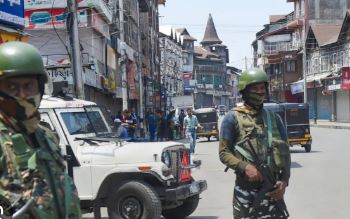
Tourism operators say the campaign is part of a calculated effort to discourage foreign visitors who might otherwise witness the militarisation, rights abuses and suffocating control imposed across IIOJK. They warn that such actions are crippling an already fragile tourism-dependent economy, further pushing small business owners, houseboats and homestays into financial distress.


Observers point out that India has repeatedly used flimsy allegations against travellers from China, Iran and other countries with strained ties to New Delhi to portray them as “suspicious,” thereby crafting a narrative of external threats. They say this tactic serves to justify heightened surveillance while simultaneously preventing independent outsiders from documenting the ground realities of occupation.
Human rights advocates note that the latest episode is not an isolated case but part of a systematic strategy to restrict foreign access, criminalise tourism and keep IIOJK sealed off from international scrutiny. They maintain that the harassment of the Chinese national and the sweeping inquiry into local accommodation providers expose India’s intent to tighten its grip over the territory by policing both residents and visitors.